
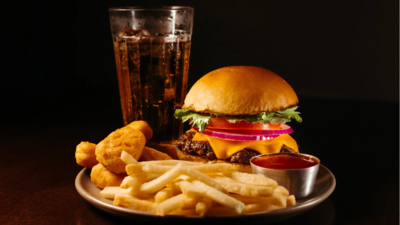
When temperatures drop, your body naturally craves heavy, comforting meals and sweet drinks to fight off the chill. While rich comfort foods provide quick mental satisfaction, several popular winter staples actively work against your seasonal health by weakening immune defenses, triggering chronic inflammation, and interfering with how your body regulates internal heat. Stepping back from these dietary traps helps your immune system stay sharp and keeps your energy steady throughout the coldest months.White sugars and festive sweetsWinter holidays and cold afternoons often revolve around pastries, sweetened chocolates and packaged desserts. Consuming amounts of refined sugar causes quick rises in blood sugar that send inflammatory signals throughout the body. Because refined sugar and vitamin C look alike in structure. Fight for the same spots on cell receptors, high levels of refined sugar push vitamin C away and stop vitamin C from reaching white blood cells that need vitamin C to fight winter pathogens. Excessive refined sugar also throws off the community of gut microbes inside the digestive tract. A study in Cell Metabolism showed that refined sugar pushes away gut microbes and removes protective immune cells, leaving the intestinal barrier weak and more exposed to inflammati. Separately, a comprehensive review in Frontiers in Immunology confirmed that high sugar consumption impairs neutrophil mobilization and elevates pro-inflammatory cytokines, making it harder for your body to mount an efficient defense against seasonal respiratory bugs.Deep-fried, comfort foods and trans fatsCrispy fried snacks, battered meats, and heavy fast foods feel deeply satisfying when freezing winds blow outside, yet they place an immediate burden on your cardiovascular and immune systems. Cold weather already causes peripheral blood vessels to constrict in order to preserve core body heat, which naturally raises blood pressure. Loading up on foods fried in refined vegetable oils introduces oxidized lipids and trans fats that stiffen arterial walls and compound this seasonal cardiovascular strain. Beyond slowing down circulation, fried foods trigger widespread cellular stress that distracts your immune system from fighting real infections. Research published inNature Reviews Immunology highlights how ultra-processed and fried foods drive systemic immune dysregulation and persistent low-grade inflammation. Replacing heavy fried snacks with baked or roasted alternatives protects your blood vessels while keeping your immune response focused on seasonal viruses.Alcoholic beveragesReaching for a glass of red wine, whiskey, or spiked cider to warm up after coming in from the cold is a classic winter habit, yet it produces the exact opposite physiological effect. Alcohol acts as a vasodilator, meaning it widens blood vessels just beneath the surface of your skin. This sudden rush of warm blood to your extremities creates a temporary flushing sensation that tricks your brain into feeling cozy while heat rapidly escapes from your body into the surrounding cold air.At the same time, alcohol suppresses the brain centers responsible for triggering shivering, which is your body’s primary muscular mechanism for generating emergency heat. A clinical study in the European Journal of Applied Physiology showed that alcohol lowers the body’s vasoconstriction threshold during cold exposure, impairing normal heat conservation. Furthermore, medical research on alcohol and cold exposure in Arctic Medical Research notes that alcohol accelerates fluid loss through cold diuresis, increasing dehydration and lowering core body temperature when you need internal warmth most.Packaged foodsCanned soups, instant noodles, salted crackers, and cured deli meats are convenient pantry staples during winter, but their massive sodium content disrupts fluid balance and immune equilibrium. Cold, dry winter air already pulls moisture from your skin and respiratory tract through every breath you exhale, and excess dietary salt forces your kidneys to pull even more water from your tissues to flush out the sodium. High salt concentrations also alter how immune cells behave when they encounter bacteria or viruses. A longitudinal human study in Translational Research found that eating a high-salt diet triggers excessive, damaging inflammatory activity in human monocytes while disrupting healthy immune homeostasis. Similarly, a recent immunological review on high-salt environments confirmed that elevated sodium activates inflammatory signaling pathways inside antigen-presenting immune cells, weakening balanced tissue defense.Dairy-heavy creams and thick milkshakesWhile warm milk and creamy sauces are winter favorites, heavy full-fat dairy products loaded with saturated fats and thickeners can make winter congestion feel noticeably worse. Dairy does not directly increase mucus production in most healthy individuals, yet the combination of emulsified fats and proteins mixes with saliva to coat the throat, creating a thick, lingering sensation that aggravates post-nasal drip during cold and flu season. When you are already battling dry indoor heating or a mild upper respiratory bug, heavy cream-based dishes and cold dairy desserts slow down digestion and leave you feeling sluggish. A clinical trial published in The Laryngoscope demonstrated that participants experiencing persistent nasopharyngeal mucus secretion reported significant symptom relief when following a dairy-free diet compared to those consuming regular dairy. Swapping heavy creams for clear broths and herbal teas keeps your throat clear and maintains hydration throughout the winter months.