
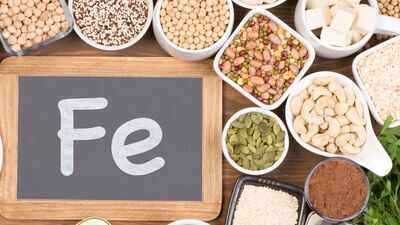
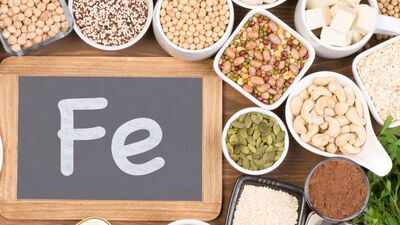
When people find out their iron levels are running low, the standard advice is almost always the same: eat more red meat, load up on liver, or start taking heavy iron tablets. While meat does contain a type of iron that the body absorbs easily, it is far from your only option.Simple ways to add more ironIf you are vegetarian, trying to cut back on meat, or simply tired of dealing with the stomach upset that often comes with iron supplements, you have plenty of other ways to bring your levels up. Surprisingly, raising your iron is not always about forcing yourself to eat bowls of plain spinach. Often, it comes down to how you cook your meals, what you drink alongside them, and a few unexpected items sitting in your kitchen cupboard. Here are five simple, surprising habits that can naturally boost your iron without adding a single piece of meat to your plate.Switch to a cast-iron panIt sounds almost too simple to be true, but the pan you cook in can actually add real nutrition to your dinner. When you simmer moist, slightly acidic foods in a cast-iron skillet or kadhai, tiny, safe amounts of natural iron transfer straight from the pan into your meal.Foods like tomato-based gravies, dals, sambar, stir-fried greens, and even scrambled eggs or tofu pick up the most iron during cooking. Research published in the Journal of the American Dietetic Association found that cooking acidic foods in cast iron can multiply the iron content of a dish several times over. You do not have to change your recipes at all—just swap out your non-stick pan for a well-seasoned cast-iron one a few nights a week.Always invite vitamin C to the tablePlant foods like lentils, rajma, chickpeas, pumpkin seeds, and leafy greens are packed with iron, yet our bodies struggle to absorb it on their own. That is because plant-based iron is bound up in a form that passes through the stomach too quickly before the gut can pull it in.Vitamin C acts like a key that unlocks this iron so your body can actually use it. Squeezing fresh lemon juice over your dal or cooked greens, tossing chopped bell peppers into a chickpea salad, or eating a few slices of orange or guava right after a meal can help your body absorb up to three times more iron from the exact same food.Keep tea and coffee away from meal timesYou might be eating plenty of iron-rich foods every day, only to accidentally block your body from absorbing them with your morning or afternoon cup of chai or coffee. Tea and coffee contain natural compounds called tannins and polyphenols that latch onto iron in your stomach and flush it out before it ever reaches your bloodstream.Studies in the American Journal of Clinical Nutrition show that drinking tea or coffee right alongside a meal can cut iron absorption by more than half. You do not need to give up your favorite hot drink—just leave a one-hour gap before or after eating so your stomach gets a fair chance to soak up the nutrients first.Keep dark chocolate and blackstrap molasses in your pantryIf you have a sweet tooth, a couple of rich, dark treats can quietly pull double duty for your health. Good quality dark chocolate with at least 70% cocoa is surprisingly high in iron, offering roughly 3 milligrams in a single one-ounce square—nearly as much as a small serving of meat.Blackstrap molasses, the thick, dark syrup left over when sugar cane is refined, is another hidden gem. Just one tablespoon gives you around 3.5 milligrams of iron along with calcium and magnesium. Stirring a spoonful into your morning oats, warm milk, or a smoothie is an easy way to get a steady mineral boost without feeling like you are on a strict diet.Soak, sprout, or ferment your grains and beansWhole grains, nuts, seeds, and legumes naturally contain a substance called phytic acid. In nature, phytic acid protects the seed until it is ready to grow, but in our stomachs, it acts like a magnet that traps minerals like iron and stops us from absorbing them.Luckily, traditional kitchen prep breaks this barrier right down. Soaking your beans, lentils, and nuts in water overnight before cooking, choosing sprouted moong or sprouted-grain bread, and eating fermented foods like sourdough bread, idli, dosa, or tempeh lowers phytic acid levels dramatically. A little bit of soaking and fermenting unlocks the iron that was already hiding inside your everyday pantry staples.