
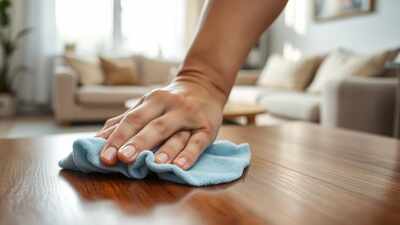
Everyone has experienced this phenomenon; after thoroughly cleaning, one admires his handiwork but sees a fresh coat of dust settle on every surface within a matter of minutes. Traditionally, feather dusters and duster cloths have a way of making things worse by disturbing the dust particles and raising them into the air for inhalation and resettlement.As it turns out, many supporters of home cleaning techniques have come back to an old but smart trick: damp dusting. Just wet a rag prior to using it, and you stop a perpetual cycle of dust propagation since you literally remove it from your environment.This technique does not require any adhesive at all. It works purely by virtue of physical characteristics, considering the fact that even a slightly moist surface is capable of collecting allergens and particles. In addition, dry tools may produce static electricity because of friction between surfaces.In contrast, a damp cloth cancels out these forces and provides you with an actual grip so that anything you brush off will stay trapped in the cloth until you put it in the laundry basket.The physics behind capturing floating allergensDusting dry seems like it doesn’t work well because it actually increases the amount of particles that you inhale. This concept was tested in a research paper called Airborne Dust and Allergen Generation during Dusting with and without Spray Polish.It has been found that dry dusting methods, as well as certain sprays, cause an enormous increase in air pollution. Instead of collecting the dust, these devices release it into the air, which is then dispersed throughout the environment and eventually settles somewhere else. This explains why many people tend to sneeze during cleaning.By contrast, using a damp or electrostatic cloth changes the dynamic entirely. The moisture serves as a cooling agent for static electricity, which otherwise acts like a magnet in reverse by pushing fine dust away from the cloth. This is supported by the research paper Use of an electrostatic dust cloth for self-administered home allergen collection, which can be found via PubMed.Through this research, it has been shown that clothing designed for such attributes is very efficient in collecting allergens. In ensuring that the particles do not become airborne, one creates a clean environment while improving the air quality within their living spaces.This method plays a vital role when dust particles or dander from pets cause sensitivity problems in households. Adding moisture to the cleaning process will help the dust fibres stick to the cloth, making them heavier and keeping them in place instead of simply moving them around. Instead of just moving the dirt around, you actually end up extracting it.
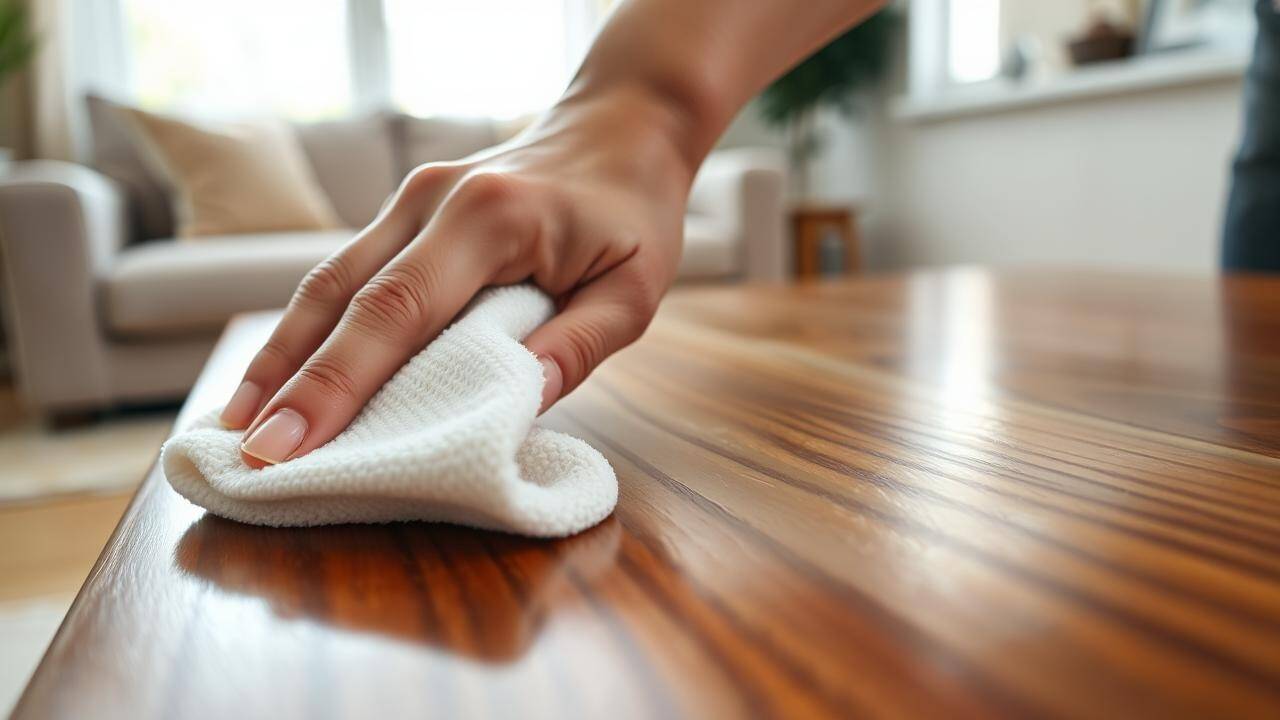
This scientifically backed technique enhances cleaning efficiency and improves indoor air quality without the need for special equipment.
Balancing air humidity and static electricityWhile moisture can be an asset in removing dust, the effectiveness of cleaning also depends on the ambient air conditions. The relationship between air humidity and cleaning efficiency is detailed in the scientific paper Effect of relative humidity on dust removal performance of electrodynamic dust shield, which appeared in the Journal of Electrostatics.The research suggests that while a damp surface helps trap dust, extremely high humidity can actually make dust particles heavier and harder to manage with static-based tools.To get the most out of your routine, you want your clothes to be just right, meaning they should be barely damp to the touch rather than dripping wet. A saturated cloth can leave streaks or even encourage the growth of mould in hidden crevices.By maintaining a moderate dampness, you create a surface that mimics the advanced technology explored in the study Optimizing electrostatic cleaning for dust removal on gecko-inspired adhesives, which was also published in the Journal of Electrostatics. This research looks at how nature-inspired textures and static forces can be used to detach and capture dust particles with incredible efficiency.For the best results, start from the highest surfaces in the room and work your way down. This ensures that any rare particles that do escape will eventually land on lower surfaces that have not been cleaned yet. Using a high-quality microfiber cloth is a great DIY choice because its tiny fibres are already designed to hook into dust, and adding a light mist of water or a natural cleaning solution only amplifies its grabbing power.The damp dusting hack proves that you do not have to spend a lot of money on expensive equipment or large budgets to produce tangible outcomes at home. All you need is to modify the way you squeeze your rag to ensure your household stays free from allergens and maintains cleanliness for longer periods of time.This simple but scientifically backed hack can turn the most boring chore into an effective element of your routine. Remember that next time when you pick up your dusty feather duster.