


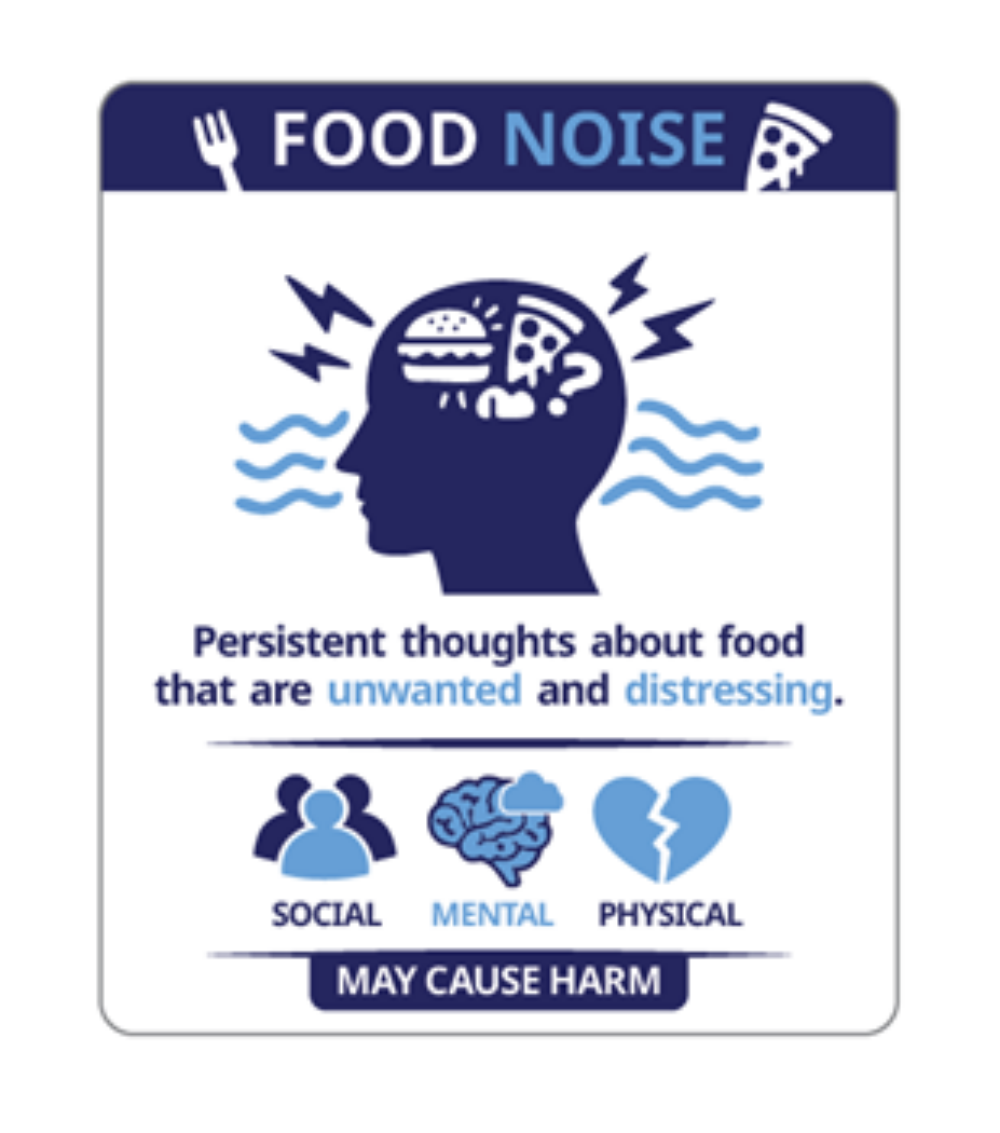
GLP-1s or GLP-1 receptor agonists (GLP-1 RAs) are best known for their role in weight loss and metabolic health regulation. Emerging evidence now reveals they may also help curb persistent food cravings to support more holistic lifestyle changes.1Explaining food noiseFood noise is defined as ‘persistent thoughts about food that are perceived by the individual as being unwanted and/or distressing and may cause harm to the individual, including social, mental, or physical problems’.1Although food noise can contribute to food cravings, the two are not the same. Food cravings are typically intense but these are occasional urges to eat a specific type of food, often high calorie or energy-dense foods.7 Food noise, by contrast, is constant and generalised. It involves an ongoing preoccupation with food, including repeated thoughts about what to eat, portion sizes, nutritional content, and meal timing.1These thoughts are often accompanied by self-questions such as, “Did I eat enough?” or “Was that too many calories?”1
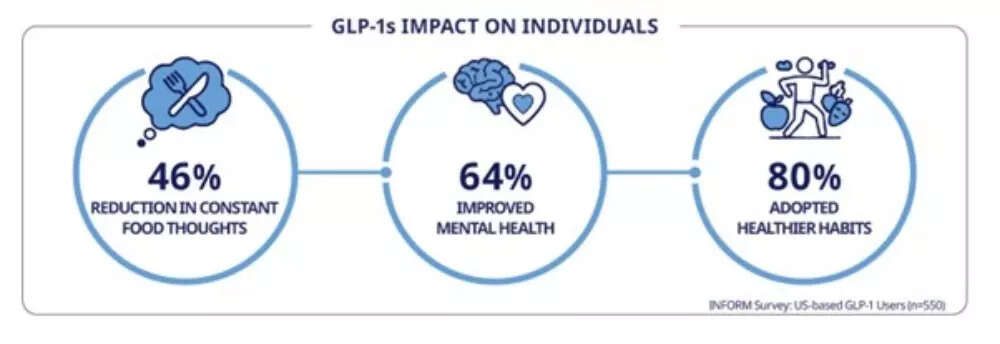
Food noise can be sparked by external triggers such as dieting, the presence of food, or food advertisements, or internal ones such as physical hunger. However, food noise frequently occurs even without these cues, making it especially disruptive.2Quieting the noiseCertain GLP-1 therapies are proven to significantly reduce food noise.2,3 “In the US-based INFORM survey, 550 individuals using GLP-1s for weight management reported a 46% reduction in constant thoughts about food.2 In addition to this, 64% reported improvements in mental health, and 80% adopted healthier habits,”2informs Dr Shashank R. Joshi, Consultant Endocrinologist at Lilavati Hospital, Sir HN RFH & Joshi Clinic, Mumbai.
Redefining Obesity CareFood noise is therefore increasingly recognised as a meaningful and important target in obesity care.1,2,6 While further research is needed, these findings point to a possible broader role for GLP-1 RAs beyond weight loss. By influencing behaviour, cravings, and mental well-being, they may help people with obesity regain balance, clarity, and healthier everyday lives.2, 5“In the US-based INFORM survey, 550 individuals using GLP-1s for weight management reported a 46% reduction in constant thoughts about food. In addition to this, 64% reported improvements in mental health, and 80% adopted healthier habits,” said Dr. Shashank R. Joshi, Consultant Endocrinologist, Lilavati Hospital, Sir HN RFH & Joshi Clinic, Mumbai.Speak to your doctor to learn more about how GLP-1 RAs could support your weight and health journey.For people living with overweight and obesity. Weight management outcomes may vary depending on your treatment journey and should be pursued under the guidance of a registered healthcare professional.This is for educational purposes only. Apis Bull logo and wegowithyou are trademarks of Novo Nordisk A/S. References:1. Arnaut T et al. Oral presentation at EASD 2025, Vienna, Austria, 15–19 September 2025 2. Friedrichsen et al. Diabetes Obes Metab 2021;23:754–62 3. Wharton S et al. Obesity (Silver Spring) 2023;31:703–715 4. Wharton S et al. Oral presentation at EASD 2025, Vienna, Austria, 15–19 September 2025 5. Diktas HE et al. Obesity (Silver Spring) 2025;33:289–297 6. Weingarten HP, Elston D. The phenomenology of food cravings. Appetite. 1990;15:231–246. doi: 10.1016/0195-6663(90)90023-2. 7.Diktas HE et al. Obesity (Silver Spring) 2025;33:289–297 7. Weingarten HP, Elston D. The phenomenology of food cravings. Appetite. 1990;15:231–246. doi: 10.1016/0195-6663(90)90023-2. | Reviewed on 9/2/2026Disclaimer: The views/suggestions/opinions expressed in the article are the sole responsibility of the experts and the brand concerned. This should not be considered a substitute for medical advice. Please consult your treating physician for more details. This article has been produced on behalf of Novo Nordisk by Times Internet’s Spotlight team.