
In India, Iranian cinema has a large viewership because at it’s heart, cinema from this land is humanist. That apart, Iranian cinema offers something rare: stillness. It trusts the audience to feel, reflect and engage. And perhaps that’s why, thousands of kilometres away, in Indian living rooms and film festivals, these stories continue to find a home. From Kiarostami to Majidi to Panahi, there is something quietly disarming about Iranian cinema. It does not announce itself with spectacle, nor does it chase scale. It lingers in silences, in glances, in the fragile negotiations of everyday life. For Indian audiences, raised on emotional density, moral dilemmas, and stories where family is both refuge and battlefield, these films feel uncannily familiar. They operate in a different language, a different geography, but speak to the same emotional grammar. Born out of the restrictions following the 1979 Iranian Revolution, cinema from this country evolved despite censorship, intelligently and emotionally expressed by auteurs as metaphor. What could not be shown was implied through absence. The result is a body of work that is deeply humanistic, politically aware, and artistically inventive. To get out of the vicious cycle of news of bombardment and missiles, let’s focus on five of the greatest directors of world cinema, who are Iranian.
Asghar FarhadiStyle: Anatomy of moral conflict
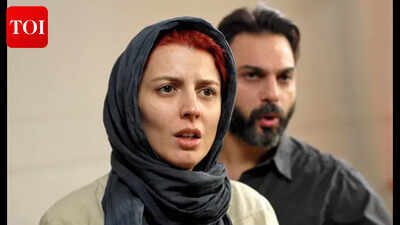
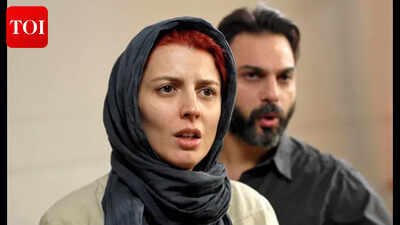
If Iranian cinema has a master of emotional chess, it is Asghar Farhadi. His films do not offer villains or heroes, just people… flawed and fragile, caught in ethical dilemmas where every choice extracts a cost. His Oscar-winning films, A Separation and The Salesman, unfold like slow-burning courtroom dramas without a courtroom. In A Separation, a couple’s divorce spirals into a complex web of class tensions, religion, and truth. In The Salesman, a seemingly personal act of violence ripples into questions of patriarchy, revenge, and dignity. For Indian viewers, Farhadi’s work echoes the layered storytelling of filmmakers like Satyajit Ray or even modern Hindi indie cinema, where domestic spaces become arenas for larger societal conflicts. His characters feel like people we know, or perhaps, people we are.
Abbas Kiarostami Style: Poetry in motion
The late Kiarostami was not just a filmmaker; he was often described as a philosopher with a camera. His cinema resists any and all easy interpretations, inviting the viewers to sit with ambiguity. There are no answers he offers, just questions that remain with you long after you have watched his movie. In Taste of Cherry, a man drives through Tehran searching for someone to bury him after he plans to kill himself. The premise is stark, but the execution is a kind of emotional roller-coaster that will punch you in the gut. In Close-Up, he blurs the lines between documentary and fiction, reconstructing a real-life case of identity and aspiration.
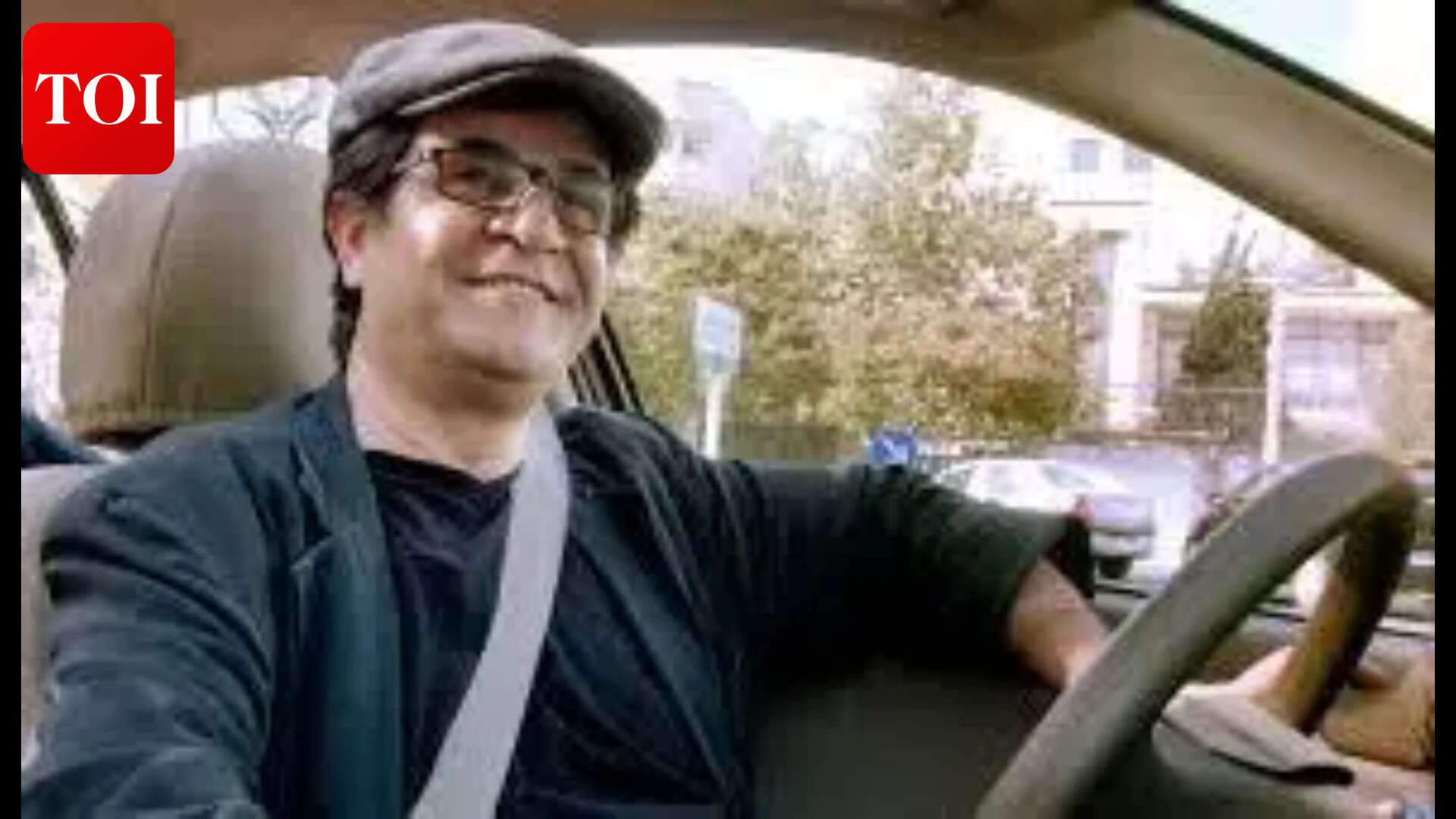
Jafar Panahi starring in his own film, Taxi
Jafar Panahi Style: Cinema as resistance
Few filmmakers embody the idea of cinema as defiance as powerfully as Panahi. Despite facing bans and restrictions from the Iranian government, he continues to make films, often in secret, often with minimal resources. His films, like The White Balloon and Taxi, are deceptively simple. In Taxi, Panahi himself plays a taxi driver, engaging passengers in conversations that reveal the anxieties, contradictions, and suppressed voices of Iranian society. Panahi’s films remind us that storytelling, at its core, is an act of witnessing and intensely feeling—mostly dread—about societal ills.
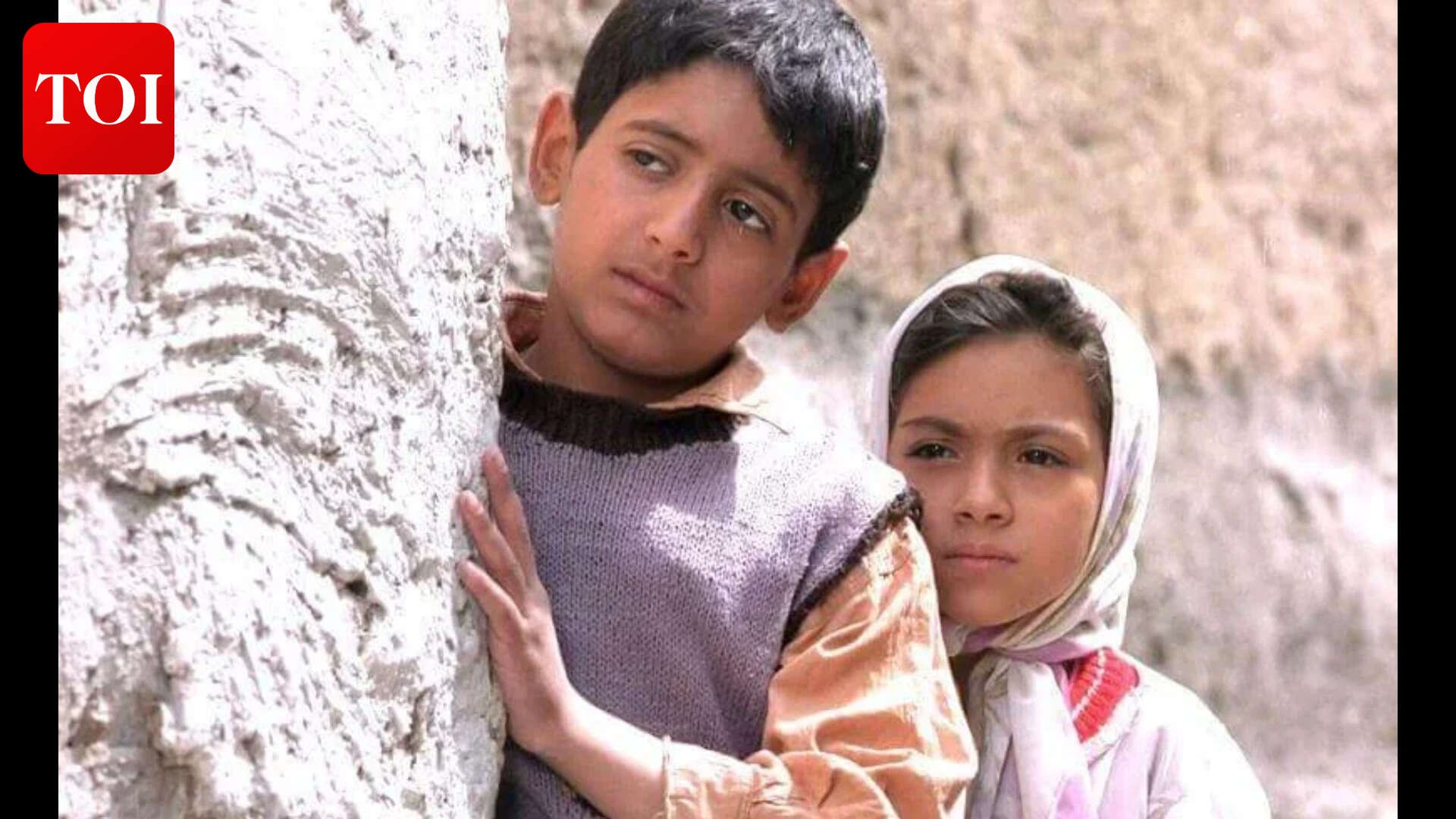
A still from Majid Majidi’s Children of Heaven
Majid Majidi Style: Innocence and the power of small stories
If Iranian cinema has a beating heart, Majidi is perhaps closest to it. His films are tender, almost spiritual in their simplicity, often told through the eyes of children. In Children of Heaven, a lost pair of shoes becomes the emotional anchor of a story about poverty, dignity, and sibling love. The Color of Paradise explores the relationship between a blind boy and his conflicted father, weaving themes of faith and acceptance. Majidi’s cinema does not overwhelm the viewer. It moves gently, leaving behind a quiet ache that stays forever.
Mohammad Rasoulof Style: The cost of truth
Rasoulof represents the more overtly political edge of Iranian cinema. His films confront authority, morality, and individual responsibility with unflinching clarity. His Berlin Golden Bear-winning There Is No Evil is a haunting exploration of capital punishment in Iran, told through interconnected stories. Each segment examines how ordinary people become complicit in systems of power; and what it costs them. Rasoulof’s work feels both distant and disturbingly close. It asks uncomfortable questions about the price of conscience.