
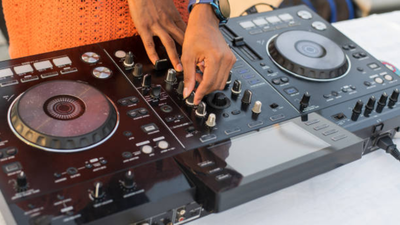
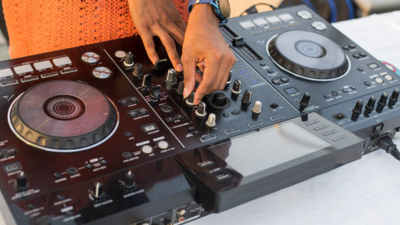
A story out of Uttar Pradesh has been doing the rounds on social media this week, and it’s the kind that makes you stop scrolling. In Bareilly’s Aliganj area, a 60-year-old woman named Kamla Devi was walking to a temple with her daughter-in-law for jalabhishek when a tractor-trolley fitted with a massive DJ system rolled past, blasting music at what her family describes as a deafening volume, somewhere around 400 to 450 metres from the temple. As the tractor passed her, Kamla Devi clutched her chest, sat down, and never got up again. Her family is adamant that the loud sound and its vibrations killed her. The family refused a post-mortem and took her body home for last rites the next day, so there’s no official medical confirmation of cause of death, only the account from relatives and police.And this isn’t an isolated story either. Similar claims have surfaced from several parts of the country over the past couple of years, where families of people, who collapsed near loud DJ processions have blamed the noise itself for triggering a fatal chest event. So the question worth asking isn’t whether these families are lying or exaggerating grief. It’s whether there’s any real science behind the idea that loud music can actually trigger something as serious as a heart attack.
What the heart research actually shows
Turns out, this isn’t as far-fetched as it might sound at first. There’s a growing body of cardiology research linking noise exposure, not just chronic traffic noise but sudden loud sound, to real cardiovascular strain. A major review published in the Journal of the American College of Cardiology, led by cardiologist Thomas Munzel, laid out the mechanism in some depth. Loud noise activates the body’s stress response, triggering the release of hormones like cortisol and adrenaline, and this can cause blood vessels to constrict, blood pressure to spike, and heart rate to shoot up. Munzel has said publicly that no one really builds up tolerance to noise over time. If anything, the cardiovascular system seems to become more sensitive to it, not less, and chronic exposure above roughly 60 decibels, about the level of a normal conversation in an office, can start to do real damage over the years.The second piece of evidence comes from the DECIBEL-MI study, presented at the European Society of Cardiology Congress in 2024. Researchers tracked 430 patients in Bremen, Germany, all of them 50 or younger, who’d suffered a heart attack, and compared their home noise exposure against the general population. What they found was striking. For every 10 decibel increase in nighttime noise exposure, the risk of a major cardiac event rose by 25 percent, and this held up even after accounting for air pollution and socioeconomic factors. The researchers were fairly direct about what this means. Noise isn’t just an annoyance sitting in the background of city life. It’s an actual, measurable risk factor for heart trouble, on par with things doctors have traditionally worried more about, like cholesterol or blood pressure.
What this means for elderly patients specifically
This distinction matters most for older adults, and it’s the piece doctors would probably want families to walk away with. Age itself brings a higher baseline risk of coronary artery disease, often without any obvious symptoms until something acute happens. So for elderly people, or anyone with a known heart condition, sudden loud noise isn’t something to treat as harmless background nuisance at a wedding or a religious procession. It’s a genuine, if underappreciated, cardiovascular stressor, one that’s increasingly showing up in medical literature as a modifiable public health risk rather than a mere lifestyle irritation.Whether loud DJ music was truly the cause of Kamla Devi’s death may never be confirmed without a post-mortem. But the broader medical question her case raises deserves serious attention regardless of that one outcome. Noise, particularly for older hearts already under strain, is not the health non-issue it’s often assumed to be, and the growing research on this front suggests it’s time doctors, families and public health planners started taking it a little more seriously.