
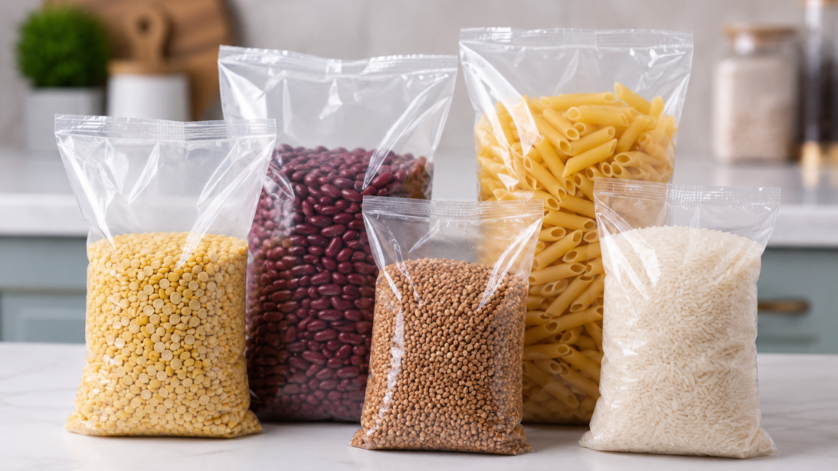
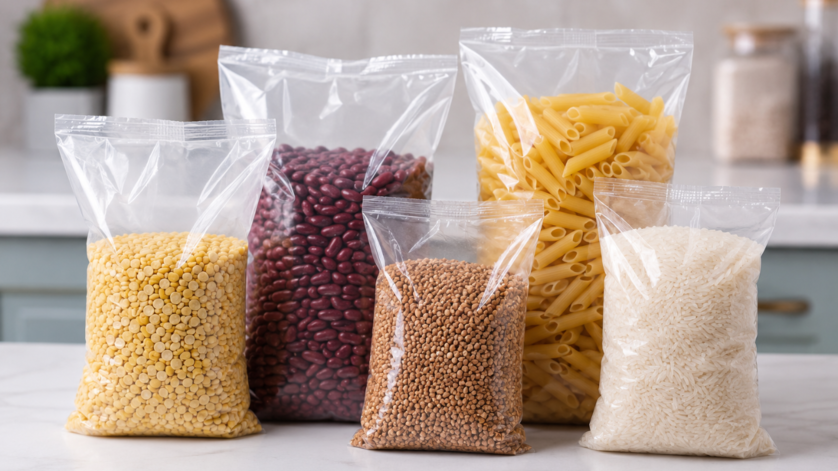
Most people tend to perceive packaging by how easily it can be opened or how quickly it can be discarded. But before it finds its place in your kitchen, it has done one of the most crucial jobs in this process: securing the food within.More than what meets your eye Has the milk you purchased ever gone bad before you consumed it?When milk spoils before its use-by date, the reason may lie anywhere along its journey, from temperature fluctuations and storage conditions to damage that has compromised the pack. Packaging is one part of a wider protection system that also includes processing, transportation, refrigeration and careful handling at home.Depending on the food and the format, well-designed packaging can help manage exposure to air, moisture, external contaminants and physical damage. An intact pack can also provide visible information about the product’s source, ingredients, batch and usable life.Keeping food fresh and away from the binWhile a specific figure for food losses caused by inadequate packaging is not readily available, poor or inadequate packaging can increase the risk of contamination, moisture exposure, temperature fluctuations and physical damage, all of which can contribute to food spoilage and waste.An industry report cites that, as per ICAR, 6-8% milk spoils before it reaches consumers, leading to wastage amounting to between USD 1.8 and 2.4 billion.From the moment the food leaves the manufacturer, it is exposed to countless touch points before it is placed on the shelf. Impactful packaging serves as a protective barrier, helping preserve freshness, reducing contamination, and keeping food products safe during transport. This also gives families a better chance to use what they are buying rather than just discarding it, resulting in fewer spoiled groceries, unnecessary trips to the market and less wastage of money, too.A small layer with a big responsibility An intact seal with visible dates and proper labelling offers consumers confidence that a product has not been tampered with. This is why properly packaged products should be preferred over loose unpackaged alternatives, especially for foods that are more prone to contamination or spoilage.Checking whether the packaging is sealed and undamaged is one of the key food safety practices, along with buying from credible sources and reading labels attentively.The journey does not end at checkout Once the food is in the kitchen, safe food handling is crucial. The basics are key: not opening a pack with unclean hands, letting perishable food items stay out for hours, and storing leftovers incorrectly can undo the protection of the packaging. It is simple decisions like these that reduce any untoward risk.It’s time to see packaging differentlyConversations revolving around packaging have become more nuanced. In the present days, its role in protecting food is being acknowledged rather than a component that is just discarded. The key is to continue innovating.Behind everyday food packs is a key conversation about food protection, hygiene, and the part packaging plays in securing food. Through its consumer-awareness initiative, ExxonMobil Signature Polymers is endeavouring to raise awareness of these connections and motivate understanding of how packaging plays a role in food protection.After all, the safety of a meal does not only begin when a stove is switched on. It begins earlier with informed choices and careful handling.Disclaimer – The above content is non-editorial, and TIL hereby disclaims any and all warranties, expressed or implied, relating to it, and does not guarantee, vouch for or necessarily endorse any of the content.