
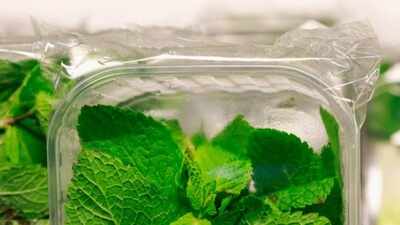
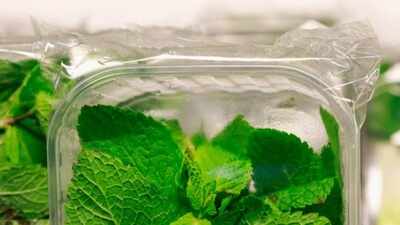
There’s nothing quite as deflating as reaching for mint to finish off a chutney or a glass of nimbu pani, only to find the whole bunch has gone limp and blackened in the fridge drawer, days before you actually needed it. Mint has a reputation for being one of the more delicate herbs in an Indian kitchen, wilting fast if it’s tossed in loosely without any real plan. The good news is that with the right storage method and a few small habits most people skip, a single bunch of pudina can realistically stay fresh for one to two weeks, sometimes longer if you’re freezing part of it. Here’s how to actually make that happen.
Dry it completely first
This is the step that determines how well every other method on this list actually works. If you’ve washed your mint, spread the leaves out on a clean kitchen towel or paper towel and let them air dry fully, or gently pat and spin them dry, before storing. Any leftover moisture clinging to the leaves speeds up decay dramatically, since damp mint left in a sealed container or bag turns slimy and black far faster than leaves that went in properly dry. If you’re not planning to use it for a day or two, it’s often easier to leave it unwashed and simply rinse right before cooking.
The water jar method in the fridge
Treating mint like a small bouquet of flowers is genuinely one of the most effective ways to keep it fresh. Trim the bottom of the stems, stand the bunch upright in a glass or jar with about an inch of water, and loosely cover the leaves with a plastic bag before placing the whole thing in the fridge, ideally in a spot that isn’t the very coldest part. Changing the water every two to three days stops it from turning stagnant, and stored this way, mint typically stays vibrant and usable for seven to fourteen days, considerably longer than just tossing the loose bunch into a drawer.
The damp paper towel method
For mint that’s already been separated from its stems, or if you simply don’t have room for a jar of water in the fridge, this is a reliable alternative. Lay the leaves in a single layer on a paper towel, roll it up loosely, and place the roll inside a container or bag left slightly open rather than fully sealed, since mint still needs a bit of airflow to avoid turning soggy. Checking after a day and swapping in a fresh, barely damp towel if the first one feels wet keeps the moisture balance right, and this method generally holds mint at its best for about a week to ten days.
Freezing for long-term storage
When you know you won’t get through a whole bunch within a couple of weeks, freezing is by far the most reliable option. Rinse and thoroughly dry the leaves, roughly chop them, and pack them into an ice cube tray filled about halfway before topping each compartment with water, then freeze until solid and transfer the cubes into a labelled freezer bag. Stored this way, mint can realistically last three to six months, ready to drop straight into curries, dals, or teas without thawing first. For leaves you’d rather use whole, freezing them flat on a tray before bagging them keeps each leaf separate rather than fused into a block.
Bonus: Mint-infused oil or vinegar
For a slightly different approach that doubles as flavour prep, infusing mint into oil or vinegar is worth trying if you cook with it often. Steeping clean, dry mint leaves in a neutral oil or vinegar for a couple of weeks in a cool, dark spot, or in the fridge, captures the herb’s flavour in a form that keeps for months, ready to use straight in dressings, marinades, or drizzled over a finished dish. It won’t replace fresh mint for garnishing, but it’s a genuinely useful way to make sure none of a large bunch goes to waste.
Small steps, a noticeably longer shelf life
None of these methods take more than a few extra minutes, yet together they can turn mint that usually wilts within two or three days into a herb that comfortably lasts one to two weeks in the fridge, or several months in the freezer. Picking the method that matches how you’re actually going to use it, quick fridge storage for the week ahead, freezing for the long haul, is really all it takes to stop losing half a bunch to the bin.
Disclaimer:
This article is intended for general informational purposes only. Storage times can vary depending on the freshness of the mint at purchase, humidity, and refrigerator or freezer conditions. Always check for signs of spoilage, such as sliminess, mould, or an off smell, before using stored mint.