
For former Chief of Air Staff Air Chief Marshal Birender Singh Dhanoa bringing the Kargil War to the screen was more than just a retelling – it was a chance to present the Indian Air Force’s side of a defining chapter in India’s militaryhistory. In town recently to attend an Independence Day event, he spoke to us about the reality behind the sorties, unseen emotions while in the cockpit and the creative liberties involved in adapting a complex military operation.In the show, Jimmy Shergill plays a character based on you. What did you think of his portrayal?He spent half a day with me, had a meal with my family at my home. He even mentioned in an interview that my wife fed him very good food. He also saw my photographs in my study. I was explaining the challenges and physics of conducting a conflict at night, but it clearly confused him (laughs) because at the premiere of the show, he admitted, ‘Everything went above my head.’ Jimmy is a much quieter version of me, while I’m a far louder person.
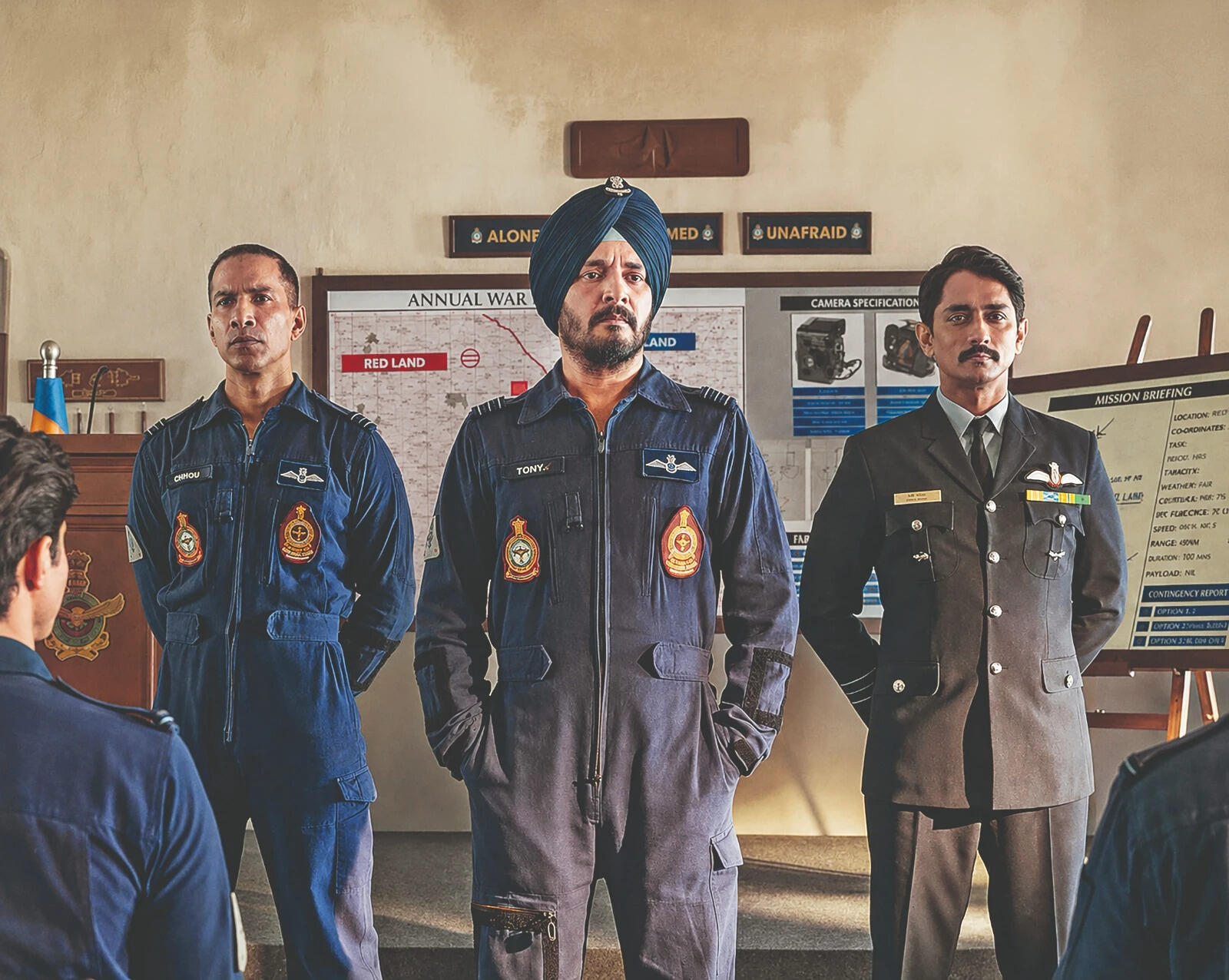
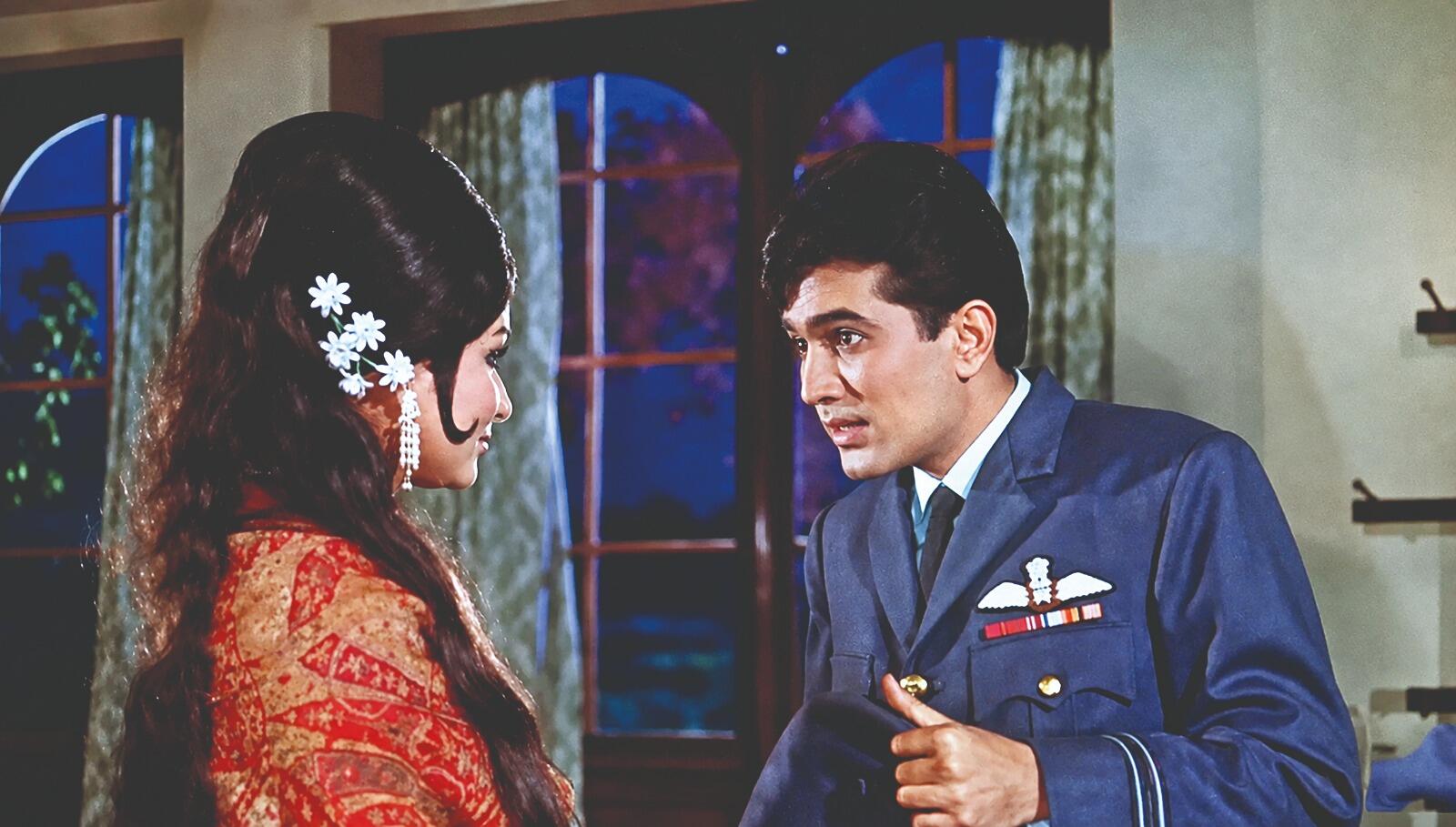
I agreed to the adaptation for two reasons. My first aim was to bring the Air Force story of Safed Sagar to the screen. The second was personal – I wanted to inspire youngsters to join the Air Force. I think both purposes have been fulfilled-Air Chief Marshal Birender Singh DhanoaThe decision to not cross the LoC placed significant restrictions on the IAF. Did that limitationultimately make the operation more difficult?All wars are fought for political reasons. So, you cannot have a military objective that is not in line with the political objective. The national leadership had a political objective: to tell the world that we were fighting a just war. That is why we were told, “Do not go after the LoC. Do not give them an excuse.” So, whether we liked it or not, the answer was no. That is how the military fights. We fight based on whatever political agenda is given. As it is said in the show, we went behind the enemy and hit them hard so that they could not get their forces, logistics, guns, ammunition and rations – and, most importantly, their gun areas and artillery shells. If you read General Malik’s book, the maximum casualties happened because of artillery.War stories often make commanders look fearless. Were there moments during Kargil when fear was very real? How does a commander ensure that fear doesn’t travel down to the pilots?There is no question of feeling fearless. When you go into a cockpit, throughout the sortie, there is no time for any feeling. You only think, “I should not mess it up.” There are so many things to do, one after another, so your entire concentration is on getting the job done. Only after you land back can you have a feeling. After the first night-strike mission, one of the pilots told me, “Sir, I think they are trading cigarette butts.” He was referring to the artillery shells being exchanged between the two sides.From the sky, everything can look quiet, but actually there is a battle going on. You can see the flashes and the shells going in both directions. But when you are flying, there is no time to dwell on it. You register it and carry on. That is what fighting is all about.‘As a commander, you must be able to make a decision in a void’AI can work with the information available to it, process vast amounts of data and crunch big numbers, but it cannot think beyond what it knows or take risks. It can offer the best choices based on available data, but there will always be information that is missing. That is where human judgment comes in. As a commander, you must be able to make a decision in a void, and that ability to take risks is critical. Ultimately, the question remains: can you make a decision when you don’t have all the answers? For a commander, that ability is very, very important.As a young boy, I watched Aradhana. It inspired me to join the Air Force. I was fortunate enough to tell Sharmila Tagore about this when I met her last year. Someone told her that not only did I join the Air Force, but also became its Chief
Dia Mirza has captured my wife so accurately. In terms of her height, her hair and even the way she wears her watch, there was a lot of attention to detail. All those little details made the portrayal feel very close to the real person
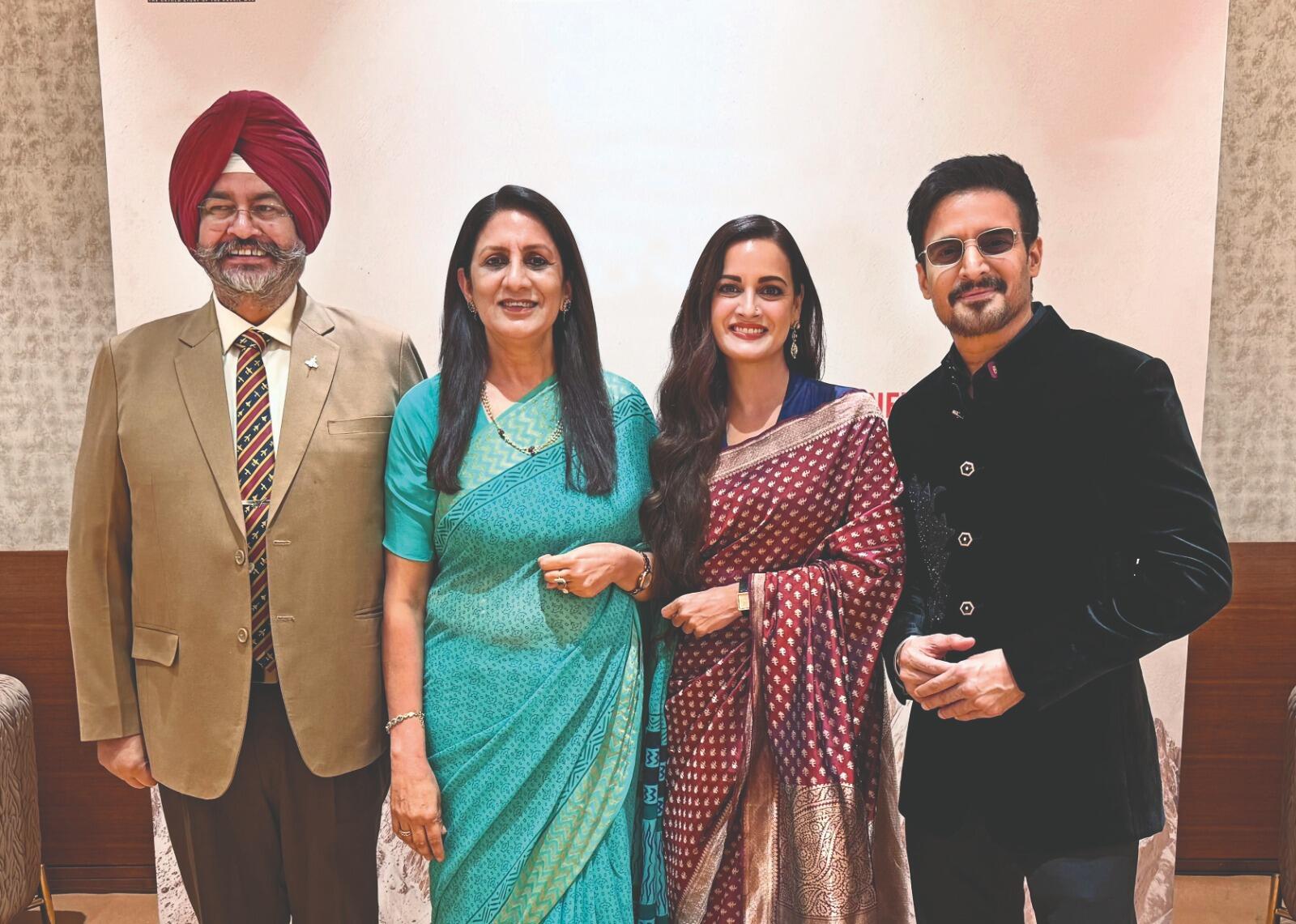
Birender Singh Dhanoa and his wife Kamalpreet Kaur Dhanoa with Dia Mirza and Jimmy Shergill