
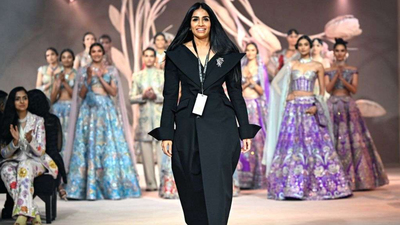
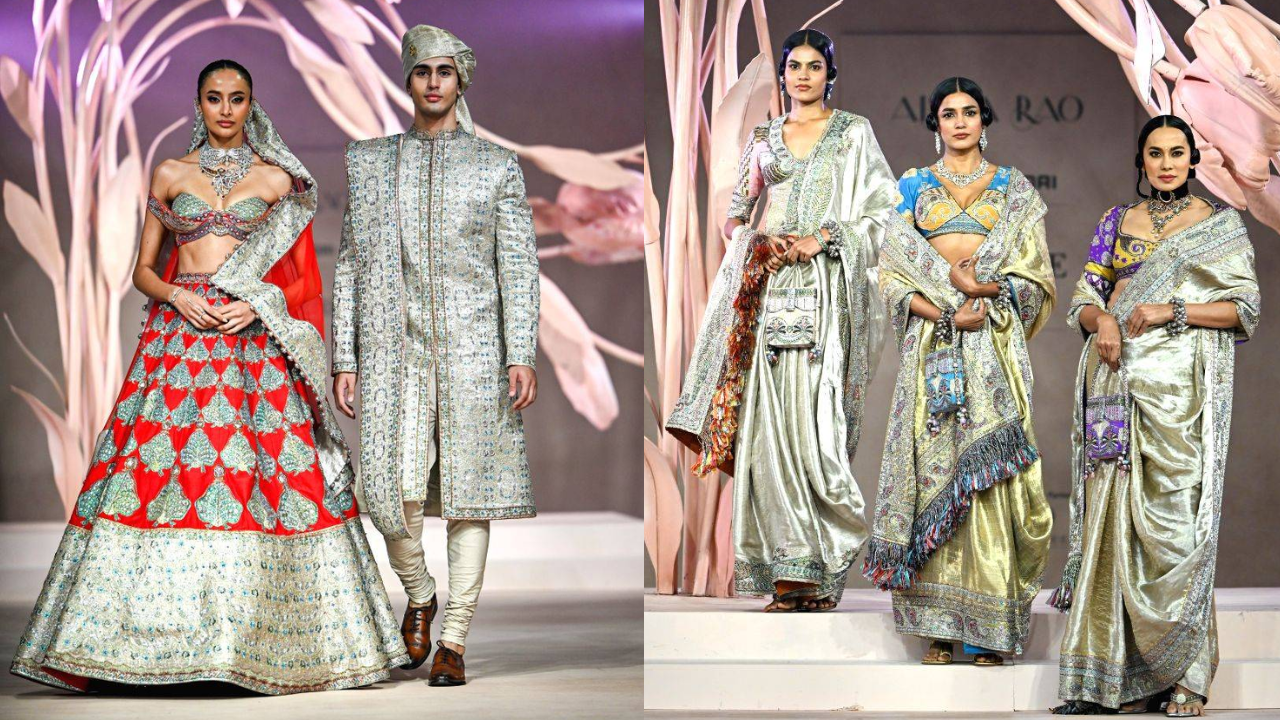
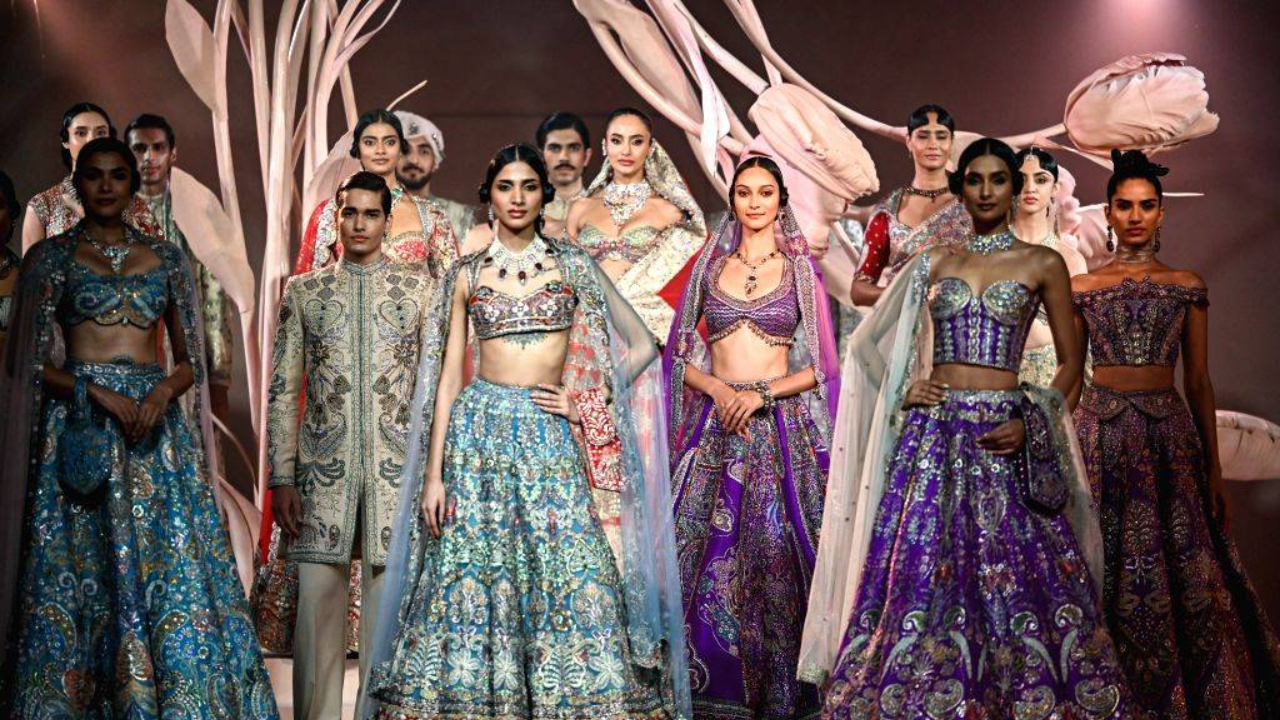
What can we expect from the combination of romance with couture, the merging of literature with Indian craftsmanship, and giving a nostalgic edge to a modern serving? The latest collection of fashion designer Aisha Rao, named ‘Priyasi,’ defined all of the above and centred on longing, union, and a memory that felt more like a single love story.The emphasis on purposeful luxury and light textiles, along with various innovations like BioResham and BioBadla, indicated that Aisha Rao is ready to challenge the notions of the couture world. In an exclusive interview with The Times of India, she speaks on applying the ideas of memory into couture, mixing global influences with an Indian edge, and also discusses the changing role of performance in her presentations.
(Image Credits: Instagram)
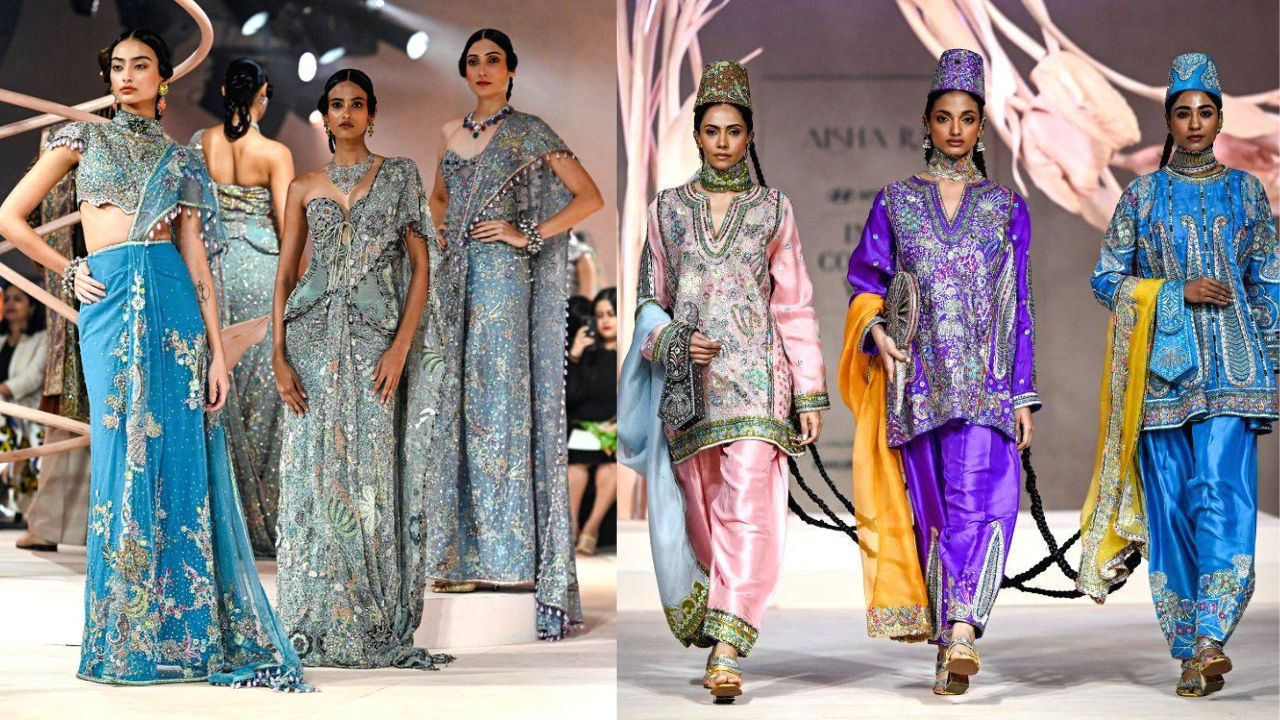
Q1. Priyasi explores longing, union, and remembrance instead of narrating a single love story. Was there one emotion that was personally the most difficult for you to translate into couture?Aisha Rao: I think remembrance is the most interesting emotion to translate because it is inherently personal and layered. For me, it was less about revisiting a particular love story and more about what stays with us from the stories, images, and emotions that have shaped our understanding of love. Those memories became starting points, which we then filtered through our own design language, distilling what resonated and giving it a completely new expression through couture. That is what allowed Priyasi to feel rooted in romance while remaining distinctly Aisha Rao.Q2. Your collection references everything from Shah Jahan to Pride and Prejudice. How do you balance global literary influences while keeping the aesthetic unmistakably Indian?Aisha Rao: The balance comes from the way we reinterpret a reference rather than simply reproduce it. For instance, the richly embellished jackets seen in Out of Africa became a starting point for us, but we translated that idea into intricately crafted blouses designed to be worn with the saree. That shift in silhouette immediately places the reference within an Indian context while retaining the character of what first inspired it. Across the collection, the same approach allowed literary and cultural influences from different worlds to find a natural place within our couture vocabulary.
(Image Credits: Instagram)
Q3. If someone wore clothes from the collection without knowing its inspiration, what emotion would you hope they instinctively feel?Aisha Rao: I would hope they feel a sense of being completely immersed in the moment. There is something very intimate about couture when you can see the hours of handwork in the garment and feel how it follows the body. With the collection, we wanted that intimacy to exist alongside a sense of occasion, the feeling of being dressed for a moment that you will remember long after it has passed. If someone connects with a piece without knowing its reference, I would hope they first respond to that feeling: a quiet sense of romance, beauty, and anticipation.Q4. Do you think couture weeks today are becoming as much about performance art as fashion?Aisha Rao: I think the two naturally intersect, particularly in couture, because the clothes are created to be experienced rather than simply viewed. The setting, music, beauty, styling, and movement can heighten what a garment communicates, but for me, the performance has to remain in service of the clothes. The immersive experience still lies in the craftsmanship and details that only become fully visible when the garment moves on a person. A couture show can create an entire world around the collection, but it is the clothes that ultimately have to hold that world together.Q5. What’s one couture trend you secretly hope disappears after 2026?Aisha Rao: If I had to choose one, it would be the idea that couture has to be increasingly elaborate to be relevant or that luxury must come with weight and discomfort. More embellishment, more volume, and more spectacle do not necessarily make a garment more memorable. We are interested in challenging that expectation by creating pieces that retain the intricacy and handcraft of couture while feeling lighter, considered, and effortless on the body. I would love to see greater value placed on restraint alongside craftsmanship, where the cut, material, handwork, and thought behind a piece are allowed to speak for themselves. Couture has the freedom to be extravagant, but it can also be comfortable, intelligent, and purposeful without losing its sense of occasion.
(Image Credits: Instagram)
Q6. Has social media changed the way designers approach couture presentations compared to five years ago?Aisha Rao: I think social media has made couture presentations more intentional. A collection now has to communicate beyond the runway, because every detail can be experienced through an image, a film, or a short-form moment. Our approach to purposeful luxury, reflected in the development of BioResham and BioBadla, is part of that thinking, where innovation in the material itself becomes part of the story of the garment. Social media has certainly expanded how couture is experienced and documented, but it has also made authenticity and substance more important. The strongest presentations still begin with the collection itself; a garment cannot be designed only for the camera. It needs to have presence, texture, and impact when experienced in person too.