
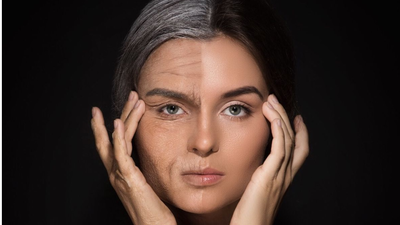
There was a time when skin ageing was largely associated with growing older. Today, that’s no longer the case. Dermatologists are seeing people in their late twenties walk in with concerns that were once common a decade or two later, persistent pigmentation, loss of skin firmness, dullness, and fine lines that seem to appear much sooner than expected.The obvious question is, what’s changed?In many ways, our skin is simply keeping pace with the lives we lead. Long workdays, erratic sleep, constant stress, processed food, air pollution, and hours spent outdoors or commuting all leave an imprint on the skin. None of these factors causes dramatic damage overnight. Instead, they quietly chip away at the skin’s ability to repair itself. Months later, what shows up in the mirror often feels sudden, even though the process has been unfolding all along.
(Image Credits: Pinterest)
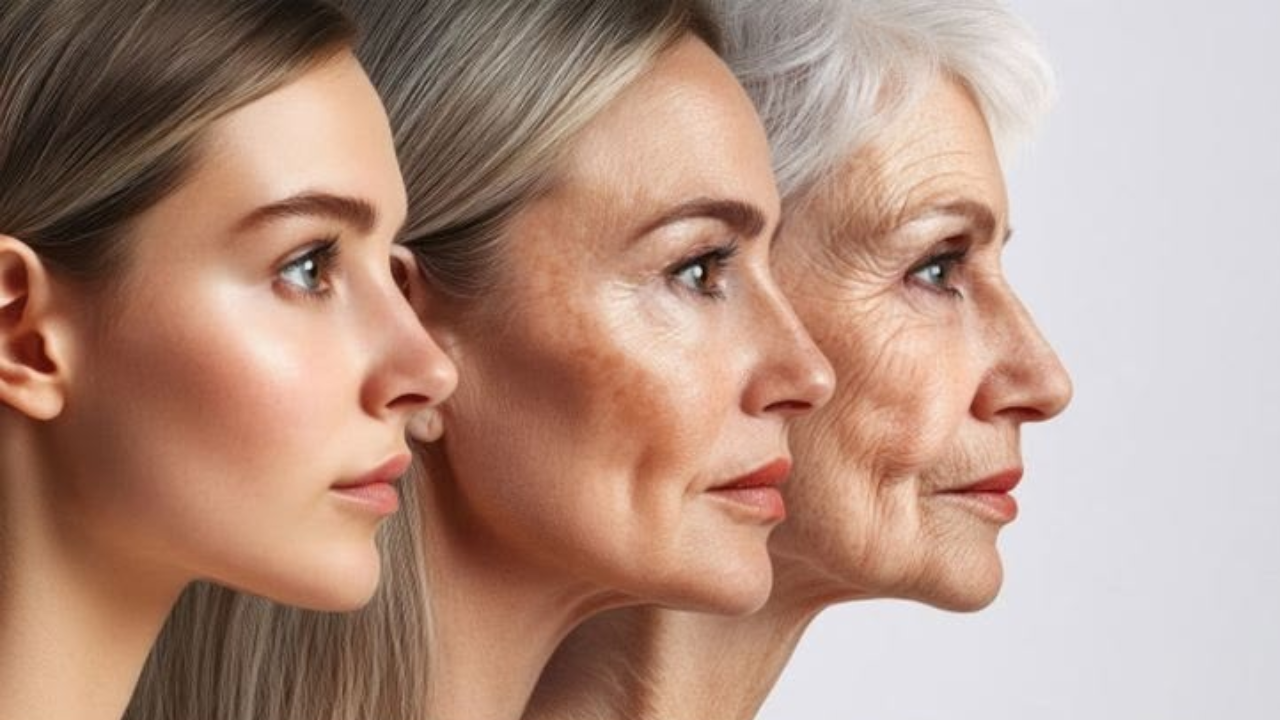
Ageing isn’t just about wrinklesFor better understanding, we approached Ms. Shaily Mehrotra, CEO and Co-Founder of Fixderma & FCL. She said, “When people think of ageing, wrinkles are usually the first thing that comes to mind. In reality, the earliest signs are often less obvious. Skin loses its natural glow, feels less resilient and starts looking uneven. Pigmentation becomes more noticeable. Marks left behind by acne take longer to fade. The skin simply doesn’t recover as quickly as it once did.”For Indian skin, pigmentation remains one of the biggest challenges. A summer holiday without adequate sun protection, inflammation after a breakout, or even repeated exposure to pollution can all trigger excess melanin production. By the time dark patches become visible, the damage has often been building beneath the surface for months.Every season tells a different storyThe monsoon is a good example of how easily people misunderstand their skin. Cloudy skies often create the impression that skin needs less care. In reality, humidity changes how the skin behaves. Sweat combines with oil, sunscreen, dust and the pollution in the environment, which causes your pores to clog and breakouts to happen. Repeated inflammation weakens the skin barrier and often leaves behind pigmentation that lingers long after the acne has settled.The skin doesn’t respond to the calendar, it responds to its environment. Adapting skincare to changing weather is one of the simplest ways to maintain healthier skin throughout the year.Prevention is quietly becoming the smarter approach. One of the biggest changes in skincare today is not a trending ingredient but a changing mindset.
(Image Credits: Pinterest)
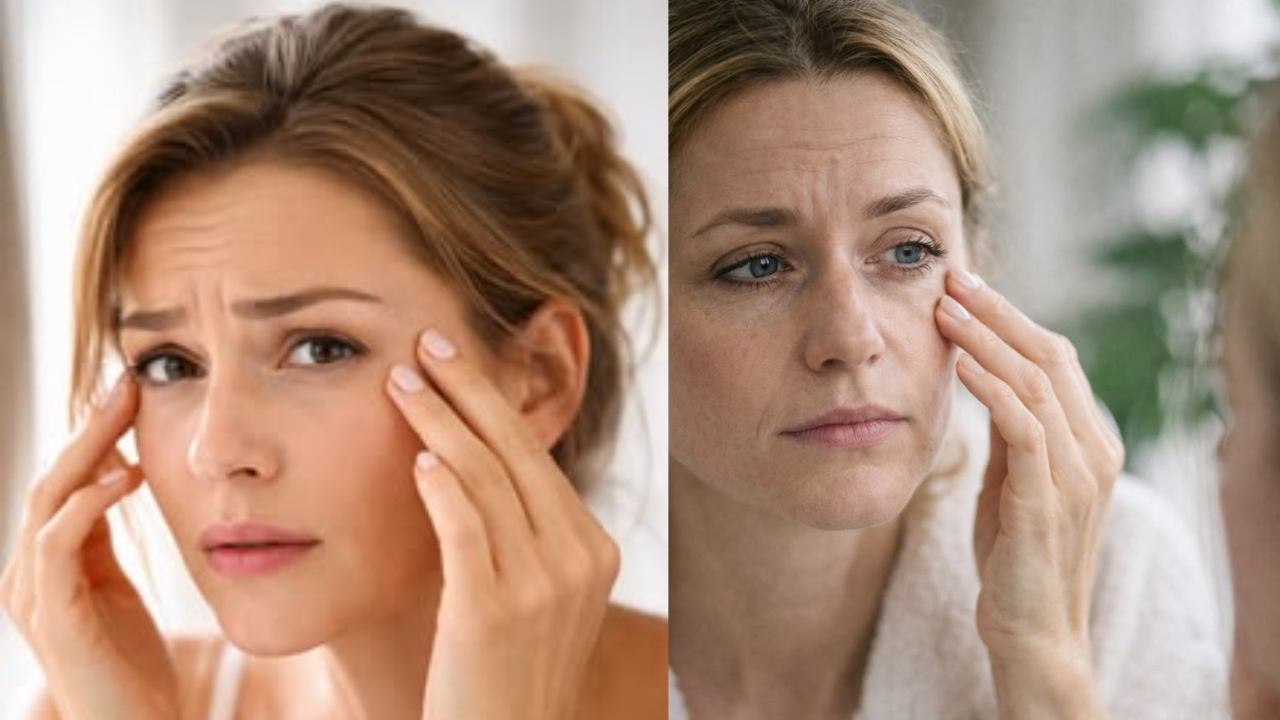
People are beginning to understand that waiting for visible damage before taking care of the skin is much like waiting for illness before thinking about health. Preventive skincare is becoming part of everyday wellness. As we can see more and more of skincare brands and retailers, we can also see the shift towards cleansing, moisturising, sun protection and using scientifically-proven ingredients, to keep the healthy skin, oppose to the damaged skin.Men, too, are investing in skincare with a very different perspective than before. Questions around pigmentation, early ageing and skin health have become just as common as concerns around shaving or grooming.A new chapter in skincare scienceHealthy habits are the basis of good skin, but science never stops developing. New technologies can be useful for solving existing problems. One of the latest advances in cosmetology, exosome technology, is primarily concerned with the skin’s restoration process. Unlike traditional skincare treatments, it treats the root cause of aging rather than masking its effects.Biomimetic exosomes are designed to enhance intercellular communication to promote skin recovery from environmental insult such as solar radiation, pollutants and other aging factors. This marks a shift from traditional skincare aimed at superficial improvement to biomimicry, a concept which involves the design of products based on biological processes to facilitate tissue repair. The debate on skincare is slowly shifting from damaged skin repair to maintenance of normal healthy skin.