
Italy placed all its major cities under the highest heat alert Thursday as an intense heatwave swept across Europe, setting national temperature records in Austria and Slovakia, fuelling wildfires in France, and disrupting power generation, transport and tourism across the continent.Temperatures climbed above 40°C in several countries, prompting health warnings for millions. Scientists say such extreme weather events are becoming more frequent and severe due to climate change, exposing vulnerabilities in public health systems, energy networks and critical infrastructure.
Italy issues nationwide red alert
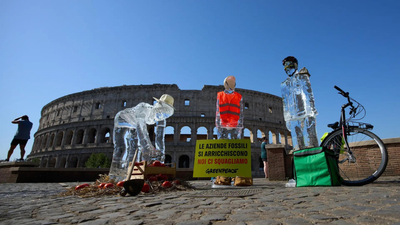
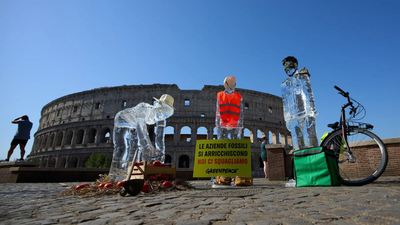
For the first time this year, Italy’s health ministry placed all 27 cities under its national heat surveillance system on the highest “red” alert. The warning covers everyone, not just vulnerable groups such as older adults and people with chronic illnesses.Authorities urged residents and tourists to stay indoors during peak afternoon hours, avoid direct sunlight and remain hydrated. To help people cope, Rome installed mist fans at the Colosseum, added medical stations and extended evening visiting hours at landmarks including the Colosseum and Pantheon.The city also opened a free municipal “urban beach” called Tiberis along the Tiber River, offering swimming pools, water fountains and shaded areas for residents seeking relief from the heat.
Austria, Slovakia break temperature records
Austria recorded its highest-ever temperature of 41.2°C on Wednesday in Bad Deutsch-Altenburg near the Slovak border. On Thursday, Slovakia surpassed its own national record, with temperatures reaching 42.2°C at Dolne Plachtince.Low water levels in the Danube forced Slovakia’s largest hydroelectric power plant at Gabčíkovo to shut down seven of its eight turbines, reducing electricity generation by about 15% compared with last year. Austria is also facing severe drought, with rainfall this year well below normal levels.
Hungary cuts power use
Hungary’s only nuclear power plant, which relies on Danube water for cooling, reduced output to around 10% of normal production because of record-low river levels.The government introduced emergency energy-saving measures, asking industries and households to cut electricity use during evening peak hours. Freight train operations were restricted during those hours, decorative lighting in Budapest was switched off, and several major companies announced plans to reduce power consumption.
Germany, France and Balkans face growing impact
Germany warned that falling water levels on the Rhine and other rivers could disrupt inland shipping, industry and supply chains. Environmental groups called for stronger long-term measures to improve river resilience during droughts.In southeastern France, firefighters remained on alert after containing the region’s largest wildfire in decades, which has burned more than 60 square kilometres. Authorities warned that strong winds and dry conditions could trigger fresh blazes.Across the Balkans, temperatures approached 40°C as firefighters battled multiple wildfires in Serbia. In Croatia, tourists in Dubrovnik stayed indoors or sought shade during the hottest part of the day as the heatwave intensified.