
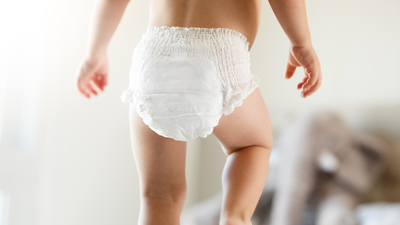
One of the biggest milestones parents eagerly wait for is their baby’s first independent step. Every stumble and every tiny stride feels like progress. So when a claim goes viral saying that diapers can set babies back by “four to eight weeks of walking practice,” it’s understandable that many parents feel alarmed.Should babies spend more time diaper-free? Are disposable diapers better than cloth ones? And could something as routine as wearing a diaper affect the way a child learns to walk? The answer is more nuanced than social media makes it seem.
28 Jul 2026 | 16:27
What was the most useful baby product during the first six months?
The study that sparked the debate
The claim comes from a widely cited 2012 study published in the journal Developmental Science, titled “Go Naked: Diapers Affect Infant Walking.” The researchers wanted to find out whether diapers, by adding bulk between a baby’s legs, temporarily change the way infants walk.
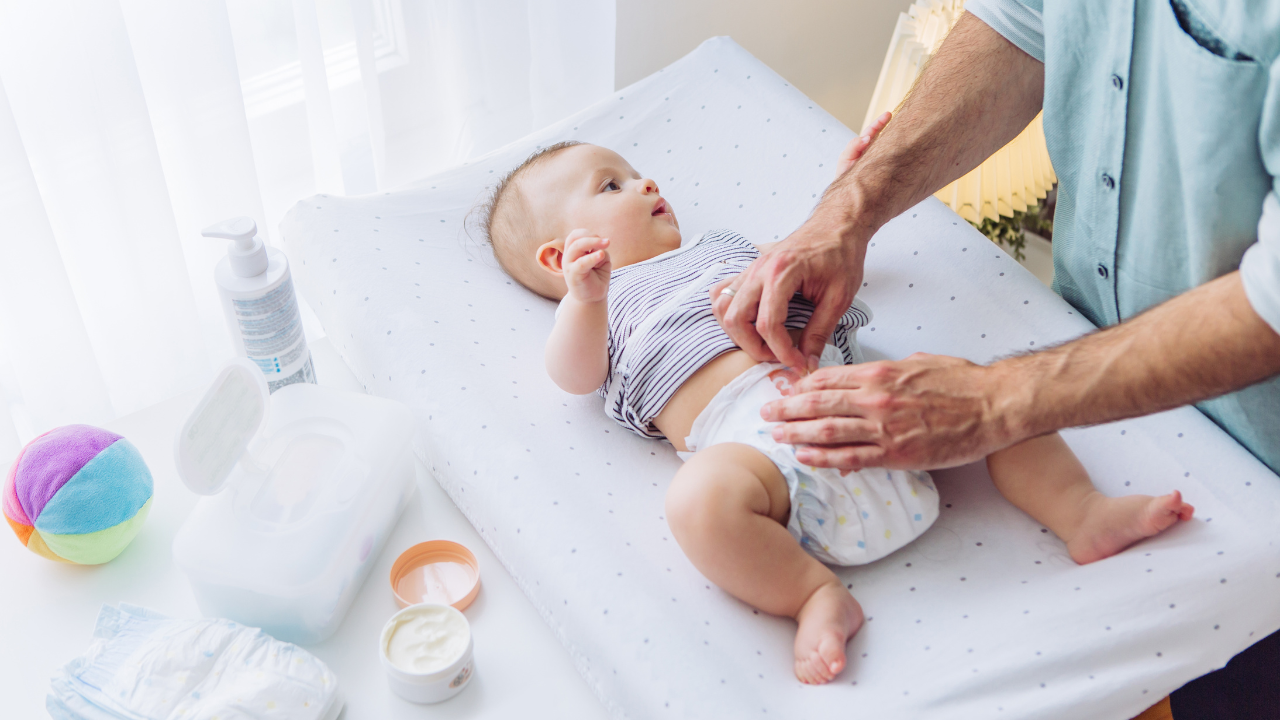
Image: Canva
To test this, they observed 60 healthy babies divided into two age groups:
- 30 novice walkers around 13 months old
- 30 experienced walkers around 19 months old
Each baby walked under three different conditions:
- Without a diaper
- Wearing a modern disposable diaper
- Wearing a thick cloth diaper
The researchers then measured several aspects of walking, including step width, step length, balance and the number of falls or missteps.
What did they find?
The results were surprisingly consistent. Babies walked most naturally when they were naked. Compared with diaper-free walking, both disposable and cloth diapers immediately altered the babies’ gait. While wearing diapers, infants generally:
- Took wider steps
- Had shorter stride lengths
- Showed less mature walking patterns
- Lost balance more often
The thick cloth diaper had the greatest effect, while disposable diapers also changed walking mechanics, though to a lesser extent.One of the researchers’ most striking observations was that the change in walking pattern was roughly comparable to what would be expected in babies with four to eight fewer weeks of walking experience. In other words, the diaper temporarily made even experienced walkers move like slightly less experienced ones.However, this comparison referred only to walking proficiency at that moment, not to a permanent developmental delay.
Why would diapers affect walking?
Learning to walk is essentially a balancing act. New walkers naturally keep their feet farther apart because they are still figuring out how to stay upright. A bulky diaper adds extra material between the legs, making it harder to bring the legs closer together. This encourages babies to adopt an even wider stance.
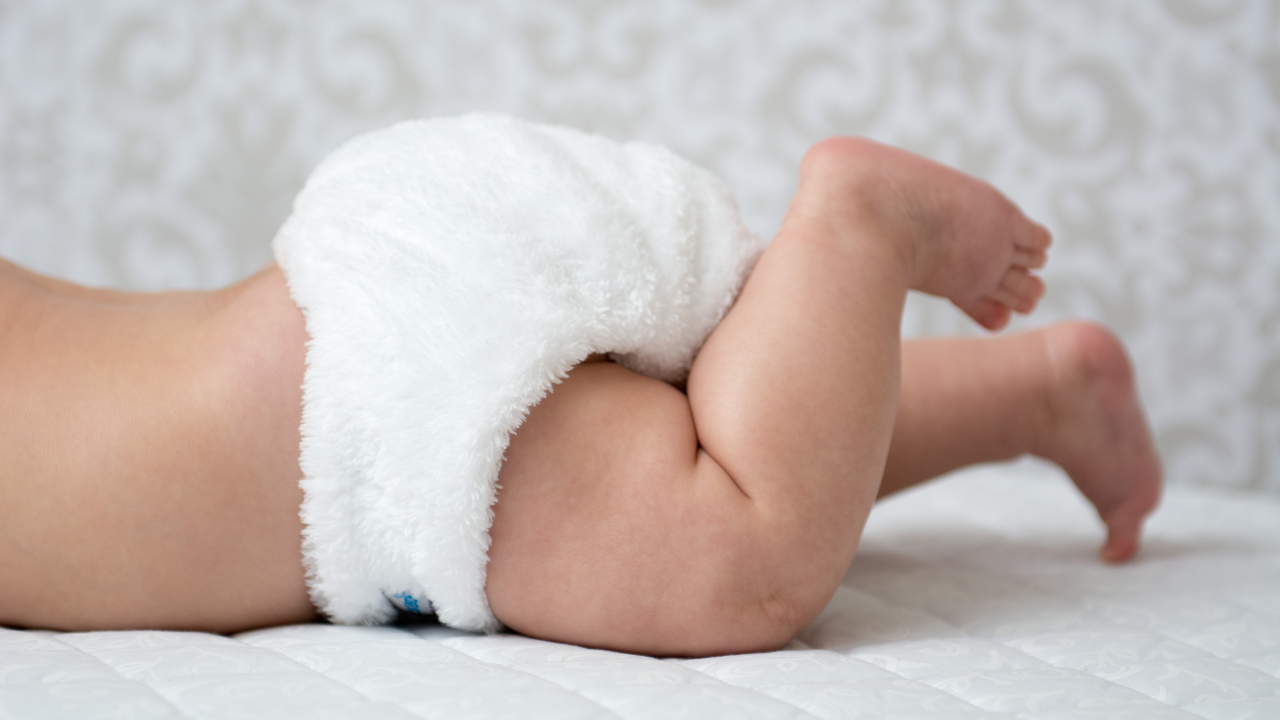
Image: Canva
Does this mean diapers are bad for babies?
The study showed that diapers temporarily affected how babies walked while they were wearing them. It did not show that diapers cause permanent motor delays or prevent children from learning to walk. In fact, the researchers themselves were careful about this point. As soon as babies walked without diapers, their gait immediately became more mature again.The study did not follow children long enough to determine whether diaper use changes the actual age at which babies begin walking or whether it affects long-term development.
Should parents give babies diaper-free time?
If it’s practical, yes. Allowing babies supervised diaper-free play gives them more freedom to kick, crawl, cruise and eventually walk without extra bulk restricting their leg movements. Even short periods of supervised diaper-free play can provide opportunities for natural movement while still allowing parents the convenience and hygiene benefits of diapers.
Cloth or disposable- which is better?
The original study found that thick cloth diapers interfered with walking more than disposable diapers because they created greater bulk between the legs. However, modern cloth diapers vary widely in thickness, and newer designs are much slimmer than the traditional folded cloth diapers used in the experiment.Parents don’t need to panic or rush to abandon diapers. Like many aspects of development, learning to walk depends on far more than what a baby is wearing. Given time, practice, encouragement and lots of safe opportunities to move, most babies find their feet just fine.