
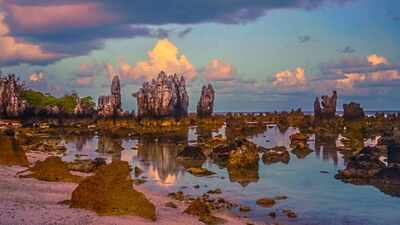
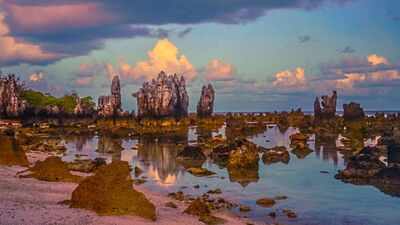
The world’s third smallest country has been making many waves online for all the revamp it has been doing. The Pacific island nation of Nauru, which recently officially changed its name to the Republic of Naoero, has now extended a new citizenship offer in an effort to save its climate.Naoero has launched a citizenship-by-investment programme that allows foreigners to obtain a passport in exchange for a financial contribution, with proceeds aimed at funding climate adaptation projects to tackle the rising sea levels. The scheme, known as the “golden passport” programme, was introduced early last year as the country is seeking funding for a major relocation plan that involves moving 90% of families and infrastructure to higher ground. The programme adds to a growing global citizenship-by-investment market that has attracted wealthy individuals seeking second citizenship for business, travel and investment purposes.Applicants from African countries, including Nigeria, Egypt, Kenya and South Africa, have explored such options as they seek easier access to international markets and business opportunities. The trend is also visible in the Caribbean, where several countries operate citizenship-by-investment programmes that attract applicants from around the world. These programmes generally require higher financial contributions than Nauru’s scheme, with minimum investments ranging from about $200,000 to $250,000 depending on the country and investment route.
Passport access and application process
Under the scheme, successful applicants who complete a four-stage screening process can obtain Nauruan citizenship through a contribution of $90,000 for a single applicant
Under the scheme, successful applicants who complete a four-stage screening process can obtain Nauruan citizenship through a contribution of $90,000 for a single applicant, discounted from the standard $115,000 fee under a limited time offer. Applicants are also required to undergo background checks before approval, with authorities saying the process is designed to protect the integrity of the programme.The passport provides visa-free or visa-on-arrival access to more than 85 destinations, including business and travel hubs such as Singapore and Hong Kong, according to the programme’s administrators. However, citizenship does not provide holders with the right to buy land in Nauru, where land ownership remains restricted.
Call for the climate
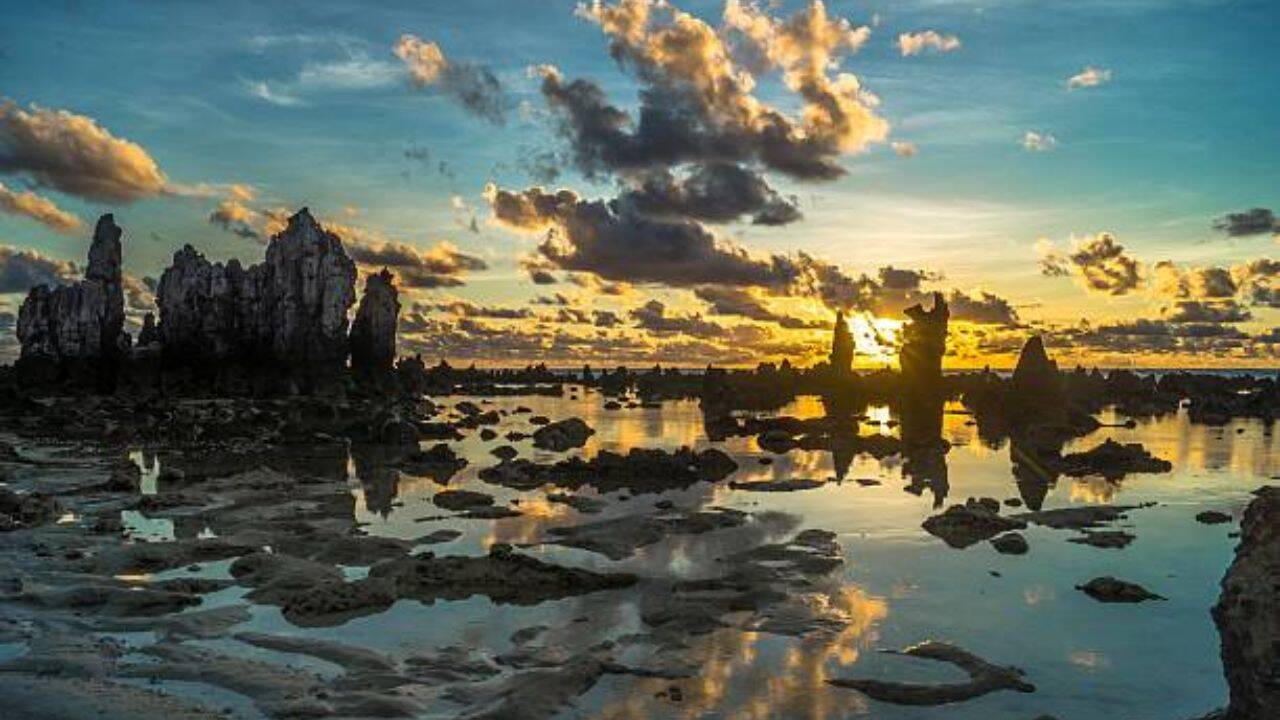
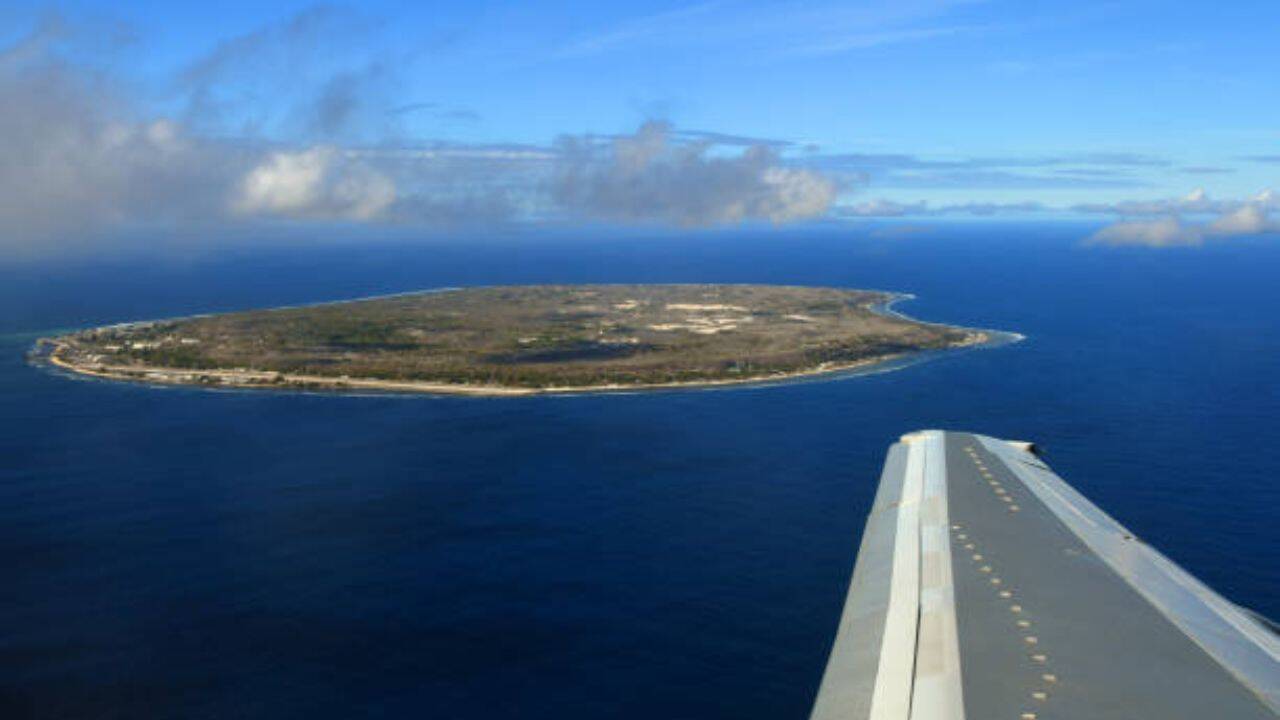
Naoero’s citizenship initiative is closely tied to the country’s climate challenges. The island nation covers about 21 square kilometres and has faced environmental pressures after decades of phosphate mining left large sections of its interior damaged and unsuitable for development. Most of the population and infrastructure are concentrated along coastal areas that are increasingly vulnerable to rising sea levels. According to climate monitoring data, sea levels around Naoero have risen faster than the global average in recent decades, contributing to more frequent and intense coastal flooding events.The government estimates the first phase of its relocation project will require more than $60 million, with the citizenship programme expected to provide additional funding for the effort.
Security concerns and applications
The programme has continued to attract applicants, with more than 120 citizenships reportedly granted since its launch.
Despite the climate objectives, the programme has faced scrutiny over concerns linked to citizenship-by-investment schemes. Some governments and security experts have raised questions about the potential misuse of passports issued through investment programmes, particularly if applicants are not subjected to strong due diligence procedures.The country has responded by introducing stricter screening measures, including background checks, ongoing monitoring and the ability to revoke citizenship if individuals are found to have committed serious offences. The country has also rejected applications that do not meet its requirements, although authorities have not publicly disclosed the total number of rejected applicants.The concerns follow challenges associated with an earlier citizenship programme operated by Naoero in the early 2000s, which was later discontinued after reports that individuals linked to criminal and security concerns had obtained passports.Despite it all, the programme has continued to attract applicants, with more than 120 citizenships reportedly granted since its launch. Supporters argue that the scheme provides a source of funding for a country facing an existential climate threat while also offering legal recognition to people without citizenship. Critics continue to question whether citizenship should be linked to financial contributions and if such programmes can adequately balance economic needs with international security concerns.This move comes along with a recent name change for the island nation. President David Adeang shared that he first proposed the change in January, saying it would “more faithfully honour” the nation’s heritage, language and identity. Later, the parliament backed a constitutional amendment in two rounds of voting and the government then said a public referendum would not be necessary after further discussion. The most visible change from the new name remains a shift in the ISO-style international coding which shifted from NRU to NRO.