
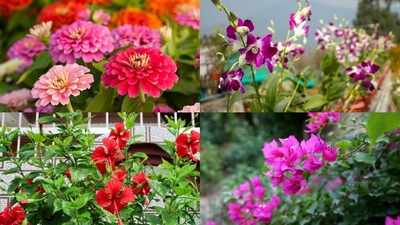
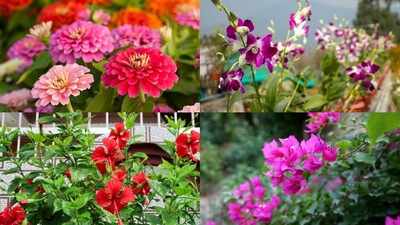
August in India is a strange month for gardeners, the peak heat of summer hasn’t quite let go, even as the monsoon brings its own mix of humidity, overcast skies, and sudden downpours. It’s a combination that trips up a lot of delicate plants, which either wilt under the leftover heat or rot from too much moisture in the soil. But some plants have evolved to handle exactly this kind of double stress, thriving in conditions that would finish off anything less hardy. If your garden’s been looking patchy this month, here are seven plants that are built to handle both the heat and the humidity without much fuss.
Bougainvillea
Few plants handle Indian heat as effortlessly as bougainvillea. Once established, it barely needs watering, and its thick, papery bracts stay vivid through the hottest afternoons without wilting. It actually flowers better under some water stress, which makes August’s inconsistent rainfall less of a problem than you’d think. It also tolerates poor soil and neglect reasonably well, making it a favourite for boundary walls, gates, and balcony railings across the country. Just make sure drainage is sorted, since waterlogged roots are really its only weakness.
Hibiscus
Hibiscus is one of the rare plants that blooms almost continuously through the hottest months, producing fresh flowers nearly every few days when it’s happy. Along with bougainvillea, hibiscus comes closest to blooming nearly every month, including through peak summer heat, with proper care. It likes full sun and consistent moisture, so during August it typically needs less manual watering than usual thanks to the rains, though pots should never be left standing in water. A light feed every few weeks keeps the blooms coming steadily.
Portulaca (Moss Rose)
This low-growing succulent flower is practically designed for extreme weather. Its fleshy leaves store water the way a cactus would, letting it shrug off both scorching afternoons and patchy monsoon showers without much drama. Portulaca stores water in its leaves, which lets it withstand extreme temperatures without wilting. It spreads quickly, needs almost no maintenance, and produces bright, papery flowers in shades of pink, orange, and yellow, making it a good ground-cover option for gardeners who want colour without the upkeep.
Zinnia
Zinnias are about as forgiving as flowering plants get, blooming steadily from early summer right through to the first cool spell of the year. They’re easy to grow from seed and prefer full sun, thriving even in the peak heat of July and August. They do best with at least six to eight hours of direct sunlight, so a spot that dodges the worst of the monsoon shade works well. Deadheading spent blooms regularly keeps new flowers coming, and they double up nicely as cut flowers for indoor vases.
Lantana
Lantana has a reputation as an almost indestructible plant, and August heat and humidity barely slow it down. It’s counted among the most heat-tolerant flowering plants for Indian summers. It thrives in poor soil, needs very little watering once established, and produces clusters of small, multicoloured flowers that attract butterflies through the season. Because it spreads aggressively, it’s best used in open beds or as a hedge rather than tucked into a small container garden.
Money plant (Pothos)
For balconies and shaded corners where direct sun isn’t an option, pothos is one of the most dependable choices for August. It thrives in the high humidity typical of the Indian monsoon and copes well with the lower light levels that come with overcast days. It’s also remarkably tolerant of inconsistent watering, making it forgiving for gardeners who might miss a day or two during unpredictable rainy-season schedules. Just watch for waterlogging in the pot, since that’s the one condition it genuinely dislikes.
Curry leaf
For anyone with even a small patch of soil or a large container, curry leaf earns its place as both a hardy plant and a genuinely useful one. It’s particularly well suited to the high humidity and heat of southern India, provided there’s good air circulation to keep fungal problems at bay. It handles the mix of sun and rain that August brings without much complaint, and established plants can go a few days without direct attention. A steady supply of fresh curry leaves through the season is a nice bonus for the kitchen.
Disclaimer:
This article is for general informational purposes only. Plant care needs can vary depending on your specific region, soil type, local climate, and microclimate conditions, so results may differ from what’s described here. It’s advisable to consult a local nursery or horticulture expert for guidance tailored to your area before making major changes to your garden.