
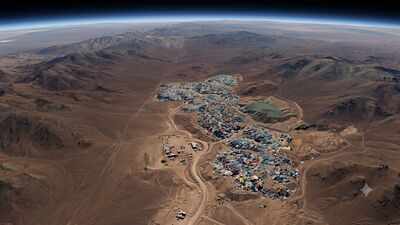
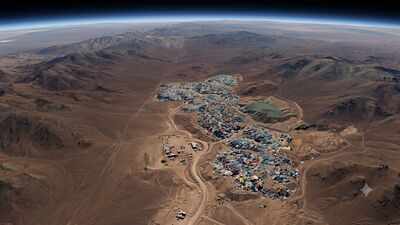
In Chile’s Atacama Desert, one of the driest places on Earth, a massive mountain of discarded clothing has become a striking symbol of the global fast fashion crisis. Outside the northern city of Alto Hospicio, thousands of tonnes of unwanted garments from around the world now cover the desert landscape. Many clothes arrived through the international second-hand trade, with some finding new owners while others remained unsold and were abandoned. The growing textile waste site, estimated to contain around 60,000 tonnes of clothing, includes jackets, shoes, children’s wear and even garments with tags still attached. Reportedly, satellite images have revealed the scale of the problem, highlighting the hidden environmental cost of modern fashion consumption.
How unwanted clothes end up in Chile
Chile has developed into one of the world’s largest entry points for used clothing. Every year, well over 60,000 tonnes of second-hand garments arrive through the northern port of Iquique, much of it shipped from Europe, the United States, Canada and parts of Asia.The city’s free-trade zone has long made importing goods relatively straightforward. Traders sort, grade and resell clothing to buyers across Latin America, supplying markets where affordable second-hand fashion remains in demand. The system supports thousands of jobs, particularly in sorting and resale businesses, and much of the clothing does find a second life.The difficulty begins when garments cannot be sold. Poor-quality items, damaged stock, outdated fashion and unsold surplus all become expensive to remove. Exporting them elsewhere costs money. Sending them to authorised waste facilities also carries a price. As a result, some traders have illegally abandoned or burned unwanted clothing in the surrounding desert rather than paying for proper disposal.
The clothing mountain keeps growing
Over many years, those abandoned garments have accumulated into what has become widely known as the Atacama clothing mountain. Estimates vary, but tens of thousands of tonnes of textiles now remain scattered across several dumping areas surrounding Alto Hospicio.Satellite imagery has highlighted the scale of the problem, with large patches of discarded clothing clearly distinguishable from the surrounding landscape. Environmental groups say the piles continue to expand as fresh shipments arrive every year while relatively little existing waste is removed.Among the discarded items are winter coats, sportswear, children’s clothing, shoes and garments that still carry original price tags. Many were never worn by a consumer before entering the global second-hand market.
Why donated clothes can still become waste
Dropping clothes into a donation bin does not necessarily guarantee they will be reused by another person.Collected textiles pass through a complex international network where they are sorted into different quality grades. The best pieces are often sold domestically or exported for resale. Lower-quality clothing may continue through several countries before eventually reaching markets where demand is weaker.If there are no buyers, the clothing effectively becomes commercial waste. That situation has become increasingly common as fast fashion has expanded. Consumers purchase clothing more frequently than in previous decades while garments are often made with lower-cost materials designed for shorter lifespans. As more unwanted clothing enters the recycling and resale system, markets struggle to absorb the volume.
What happens when clothes are left in the desert
Unlike natural fibres such as cotton or wool, many modern garments contain polyester and other synthetic materials derived from petroleum.When dumped outdoors, these fabrics can remain in the environment for decades. Wind spreads loose fibres across the desert, while prolonged exposure to sunlight gradually breaks materials into smaller particles.Illegal burning creates another problem. Synthetic textiles release hazardous compounds when set alight, producing smoke that affects nearby communities. Residents living close to dumping sites have reported periods when smoke from textile fires forces them to remain indoors until the air clears.Although the Atacama Desert receives little rainfall, pollution from burning and decomposing waste still presents long-term environmental concerns.
How fast fashion fuels the problem
The clothing mountain has become a visible reminder of how quickly the global fashion industry has changed.Fashion collections now appear throughout the year rather than following traditional seasonal schedules. Lower production costs and rapid online retail have encouraged consumers to replace clothing more frequently, while garments are often worn fewer times before being discarded.International trade in second-hand clothing has grown alongside those buying habits. What was once viewed largely as charitable donation has increasingly become part of a vast commercial supply chain moving millions of garments across continents.The result is that countries receiving imported clothing sometimes inherit waste they did not create.
The human side of the clothing mountain
For people living around Alto Hospicio, the issue extends well beyond untidy landscapes.The surrounding desert offers numerous isolated access roads where illegal dumping can take place with little risk of immediate detection. Local authorities patrol the area, but monitoring such a large desert landscape remains difficult.Removing abandoned clothing is also expensive. Since the waste originates from commercial imports rather than household rubbish, responsibility for disposal is often disputed, leaving local governments facing costs they are not equipped to manage.Community organisations have repeatedly argued that northern Chile should not become the final destination for the world’s unwanted clothing.
Attempts to clean up the waste
Several organisations are searching for ways to reuse textiles that would otherwise remain in the desert.Some companies are developing systems that mechanically separate fabrics into fibres before converting them into insulation, felt and other industrial materials. These recycled products can be used inside furniture, mattresses, construction materials and vehicle components.Other projects have experimented with manufacturing building panels and acoustic insulation using discarded textiles, although recycling mixed fabrics remains technically challenging because garments frequently contain several different fibres and chemical treatments.Even if recycling capacity increases, existing waste accumulated over many years presents an enormous clean-up task.
Laws are beginning to change
Chile has started introducing new measures designed to shift responsibility towards businesses that place textiles on the market.Under the country’s extended producer responsibility framework, clothing producers, retailers and importers are expected to play a larger role in organising collection, recycling and disposal systems for textiles once sector-specific regulations are fully implemented.Separately, environmental courts have examined the state’s handling of illegal dumping, leading to legal orders aimed at improving long-term environmental restoration and waste management around affected areas.Whether those measures can significantly reduce the growing volume of textile waste remains uncertain, particularly while global clothing production continues to rise.
A global issue visible from the desert
The Atacama clothing mountain did not appear because of a single company or one country’s decisions. It reflects a much larger chain that begins with manufacturing, passes through retailers and consumers, moves into international resale markets and eventually leaves millions of unwanted garments searching for somewhere to go.For many people, donating unwanted clothing feels like the final step. In reality, it is often only the beginning of another journey. Some garments will be worn again. Others will travel thousands of miles before reaching one of the world’s most unusual waste sites, where they become part of an environmental challenge that is still growing beneath the clear skies of northern Chile.