
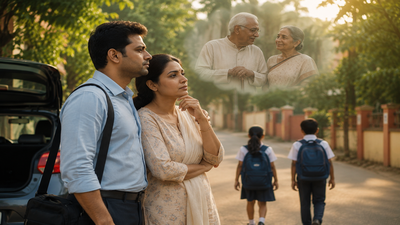
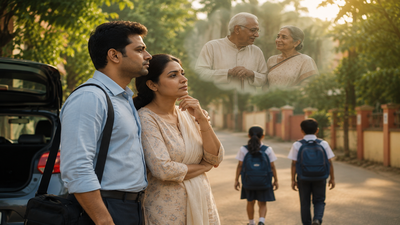
There comes a stage in life that few people prepare for. One minute you’re packing school lunches, helping with homework and attending parent-teacher meetings. Next, you’re scheduling doctor’s appointments for your ageing parents, reminding them to take their medication and worrying about their health. Somewhere in between, you’re trying to meet work deadlines, pay bills, nurture your relationships and, if time allows, take care of yourself. This is what experts call the sandwich generation, adults who find themselves squeezed between the responsibilities of raising children and caring for elderly parents at the same time. With people living longer, families becoming smaller and many couples choosing to have children later in life, this balancing act has become increasingly common across the world. In India, where caring for ageing parents is deeply rooted in family values, the emotional and practical weight of this role is often even greater. While many embrace these responsibilities out of love, the reality is that constantly caring for two generations can leave little room for one’s own needs.
What does being part of the sandwich generation really mean?
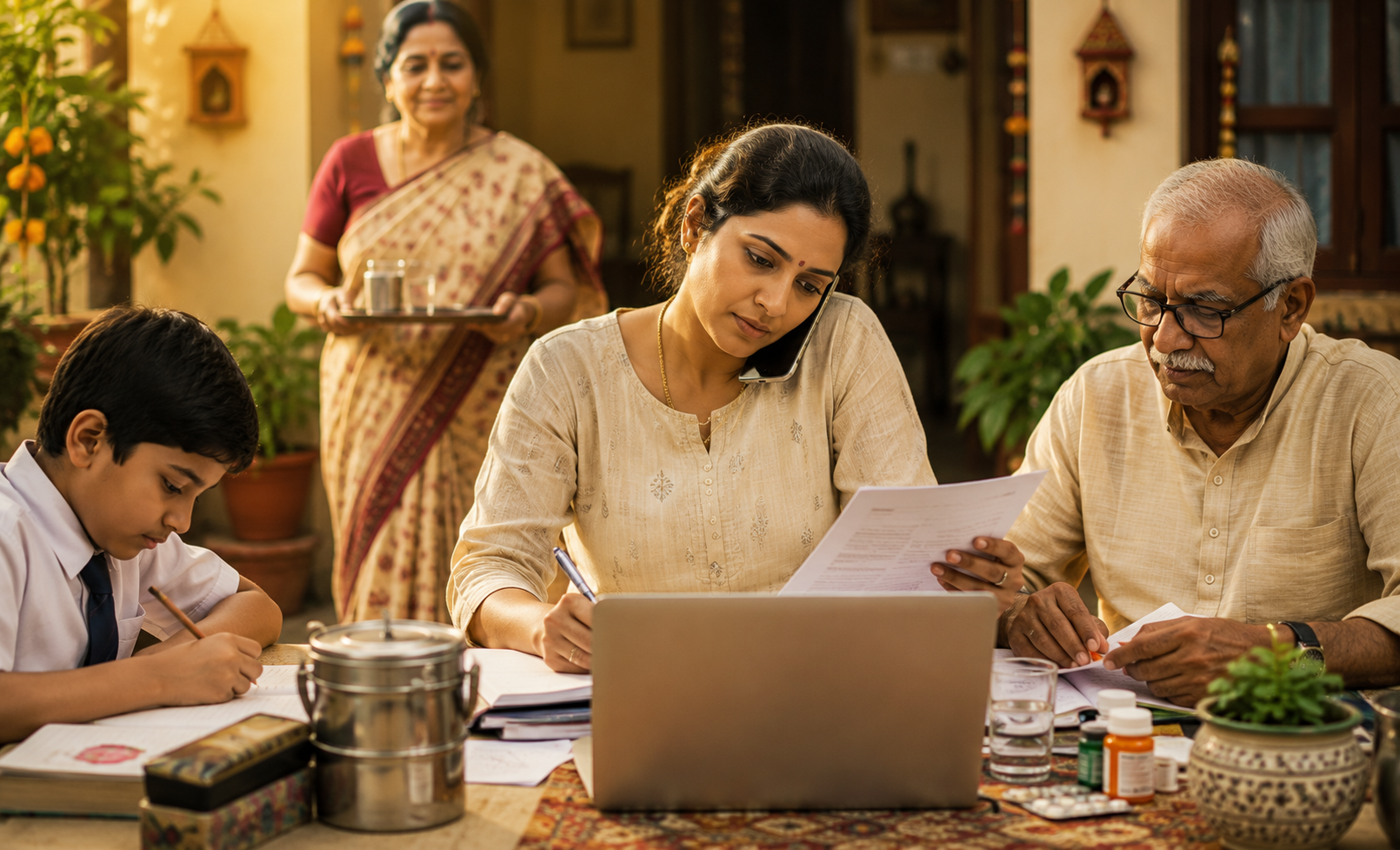
Being part of the sandwich generation isn’t defined by age. It’s defined by responsibility. A typical day might begin with getting children ready for school before rushing to work. During lunch, there may be a call from an elderly parent who needs help with a medical appointment or banking paperwork. Evenings are spent preparing dinner, checking homework, ordering medicines, managing household expenses and planning for everyone’s future. The emotional load is often invisible. People aren’t just managing schedules; they’re carrying the worries of multiple generations at once. Many describe feeling as though they are constantly switching roles, parent, caregiver, employee, spouse, financial planner and emotional support system, without ever getting the chance to simply be themselves.
Why this generation is growing
Several social changes have contributed to the rise of the sandwich generation. People today are living longer than previous generations, thanks to advances in healthcare and better disease management. At the same time, many adults are becoming parents later in life, meaning their children are still young when their own parents begin needing additional support.
Migration for education and employment has also changed family structures. Many families no longer live in large joint households where caregiving responsibilities are shared among several relatives. Instead, a smaller number of family members often shoulder most of the responsibility. Financial pressures have added another layer of complexity. Rising healthcare costs, children’s education expenses, home loans and the increasing cost of living mean many adults are supporting both younger and older family members simultaneously.
The emotional toll that often goes unnoticed
The demands of the sandwich generation are not only physical, they’re deeply emotional. Many caregivers experience a constant feeling of being pulled in different directions. They may feel guilty for missing a school event because a parent needed medical care, or guilty for not spending enough time with ageing parents because their children needed attention.There is also the quiet grief of watching parents grow older while trying to preserve a sense of normalcy for children. One generation is becoming more independent while another is becoming increasingly dependent, leaving caregivers caught between two very different phases of life. Over time, this emotional juggling can contribute to chronic stress, sleep problems, anxiety and burnout. Yet many people hesitate to talk about these struggles because they believe caring for family is simply something they are expected to do.
Why self-care is not selfish
For people in the sandwich generation, self-care is often the first thing to disappear. Medical check-ups get postponed. Exercise routines are abandoned. Meals become hurried, sleep becomes irregular and hobbies slowly fade into the background. But experts consistently point out that caregivers cannot provide sustainable care if they are running on empty themselves. Looking after your own physical and emotional wellbeing is not an act of selfishness, it’s an essential part of being able to care for others over the long term.

Even small habits, such as taking a daily walk, eating regular meals, maintaining friendships or asking for help when needed, can make a meaningful difference.
Sharing responsibility matters
One of the biggest mistakes caregivers make is believing they have to do everything alone. Family caregiving works best when responsibilities are shared. Siblings can divide financial, medical and logistical tasks. Older children can take on age-appropriate household responsibilities. Friends, neighbours and extended family members may also be willing to help if asked.Professional support, whether through home healthcare services, counselling or community organisations, can also reduce the burden. Accepting help isn’t a sign of weakness. It’s a practical way to protect both the caregiver and the family they are trying to favour.
Finding meaning amid the pressure
Despite the challenges, many people in the sandwich generation also speak about unexpected moments of fulfilment. Children who witness compassionate caregiving often grow up with a stronger understanding of empathy, responsibility and family bonds. Spending time with ageing parents can also create opportunities to preserve family stories, traditions and memories that might otherwise be lost. These moments don’t erase the stress, but they often remind caregivers why they continue showing up every day.The sandwich generation occupies one of life’s most demanding positions. It asks people to nurture dreams at one end of the family while protecting memories at the other. It requires extraordinary patience, resilience and love, often without recognition.There may not be a perfect way to balance the needs of children, parents and personal wellbeing every single day. But recognising the realities of this stage of life is an important first step. After all, those caring for everyone else deserve care, understanding and support too.