
It is one of the great family mysteries: two children can grow up in the same house, with the same parents, same rules and same meals, yet end up with completely different personalities. One sibling may be outgoing and confident, while the other is quiet and thoughtful. One may love risk, the other may prefer routine. Science says this is completely normal. The short answer is that siblings do not actually experience the “same” home in the same way.They share a family, but they do not share identical genes, identical experiences or identical relationships within that family. That mix of genetics, environment and chance helps shape each child into a very different person.
28 Jun 2026 | 12:49
Should parents let their child miss school to attend a family wedding?
Not the same genes
Even full siblings are only about 50% genetically similar, which means they inherit different combinations of traits from their parents.That alone can affect temperament, sensitivities, energy levels and many other personality traits. So while siblings may look alike or have similar habits, they are not genetically identical like identical twins.These genetic differences are one reason siblings can respond differently to the same home environment. A child who is naturally more cautious may react to family life in a very different way from a sibling who is born more impulsive or sociable. In other words, biology sets the stage, but it does not write the whole script.
The home is not identical
Psychologists have long pointed out that what children share in a family is often less important than what they do not share. This idea is called the nonshared environment.It refers to the many small differences siblings experience even while living under the same roof.
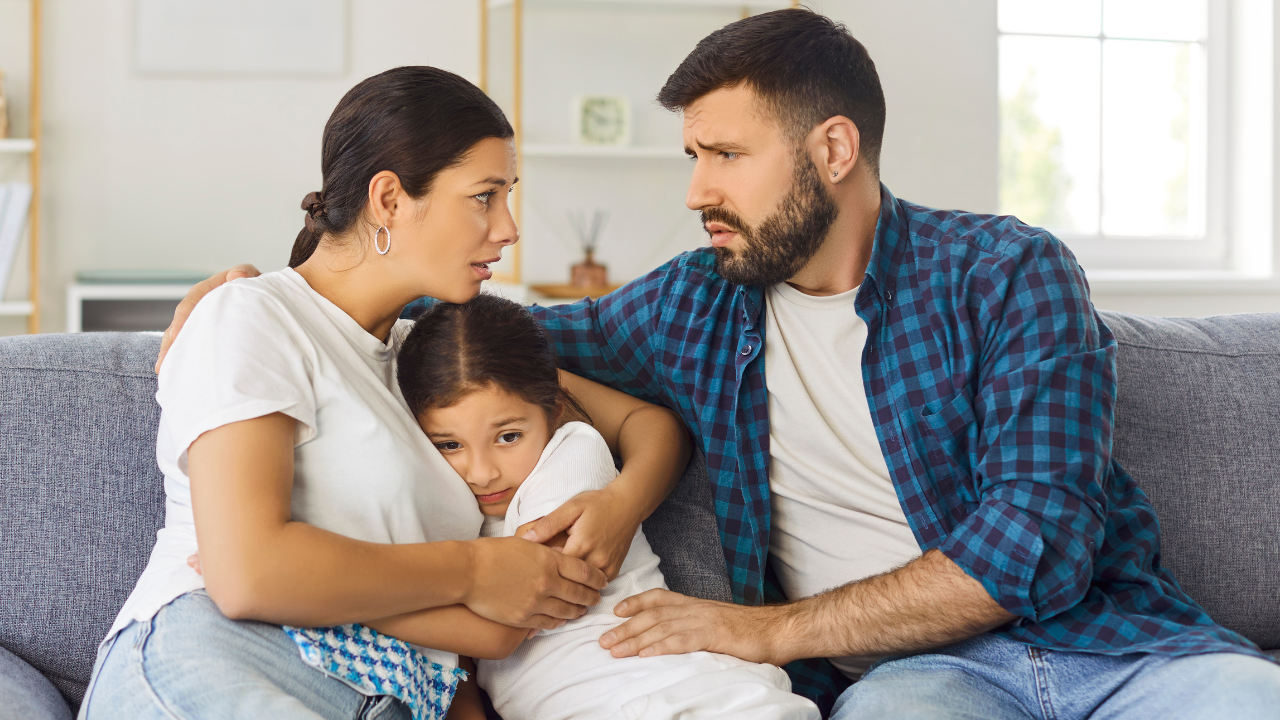
One child may get more attention at a certain age, another may struggle more in school, and another may be closer to one parent or grandparent. Even the same parent can treat children differently, often because each child has a different personality to begin with. Over time, those differences grow into distinct life experiences.
Siblings shape each other
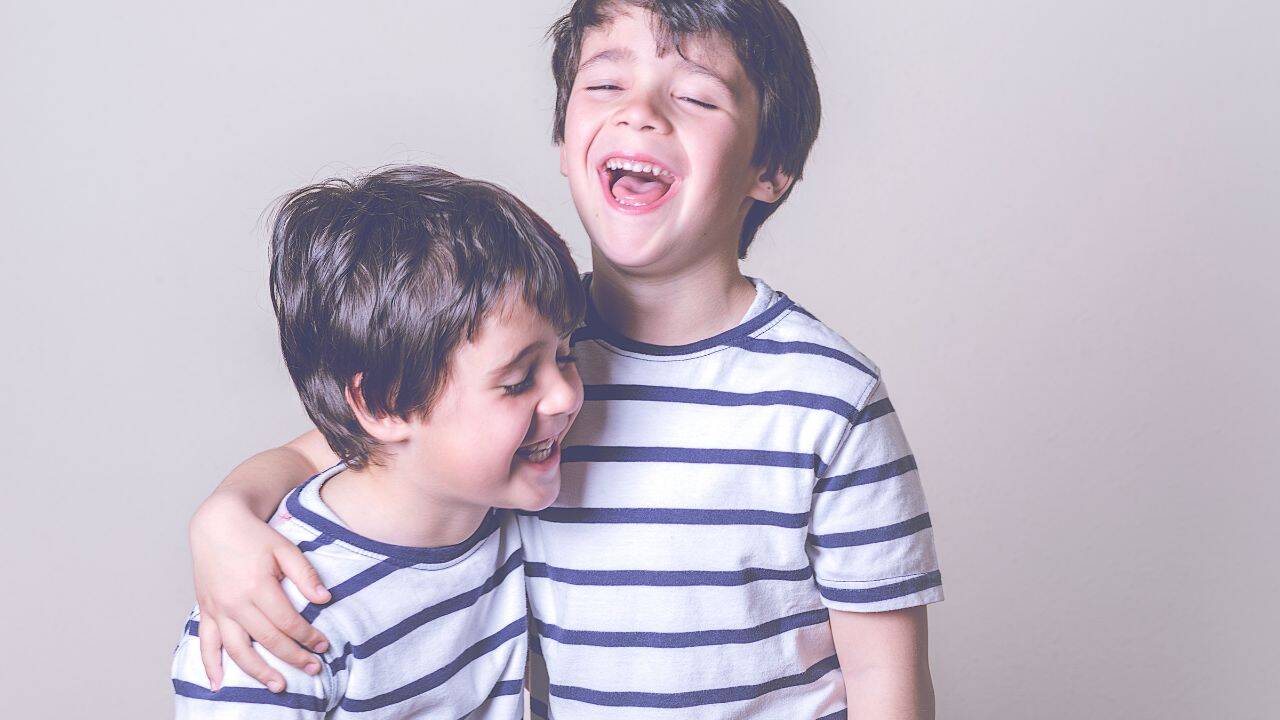
Siblings do not just react to parents.They also react to each other. Research suggests that sibling competition, rivalry and comparison can push children to develop in different directions. If one child is seen as the “responsible one,” another may lean into being the funny one or the independent one. This kind of role-sharing can happen naturally inside families. Children often try to stand out rather than copy each other, especially when they want their own identity.That does not mean the family is broken or unfair. It simply means children are constantly adapting to the social space around them.
Friends and life outside the home matter too
Scientists have found that influences outside the family can be just as important as what happens inside it. Friends, teachers, sports teams, neighbourhoods and even random events can shape personality in powerful ways. Two siblings may live in the same house, but one may fall in with a confident peer group while the other spends more time with quiet, academic friends.These outside experiences can deepen existing differences. A naturally social kid may become even more social through friendships, and a more shy sibling may grow into a thoughtful observer. Small differences can snowball over time.
Birth order can play a role
Birth order is not a magic explanation, but it can affect how siblings view themselves. Older children often receive more parental attention early on and may be expected to help or lead. Younger siblings may grow up with more freedom, or they may deliberately resist being compared with the older child. That can create very different personality patterns. A firstborn may become organised and careful, while a younger sibling may be more relaxed or rebellious. These are not rules, but they are common enough that researchers still consider birth order part of the bigger puzzle.
Chance also matters
Not every difference needs a deep explanation.Sometimes personality is shaped by random, one-off experiences that are impossible to predict. A teacher, a friendship, an illness, a success or even a small embarrassment can influence how a child thinks about themselves.That is one reason sibling differences can be so striking. Life is full of little moments that nudge each child in a slightly different direction. Over years, those small nudges add up.
What science really says
The biggest scientific takeaway is that sibling differences are not strange at all. In fact, they are expected. Researchers have found that most environmental influences on personality are nonshared, meaning they make siblings different rather than similar. Studies of sibling experience have also shown that different peer groups and sibling interactions can explain part of those personality gaps. So when one child grows into the organiser and another becomes the dreamer, science does not see a contradiction.It sees two people shaped by overlapping but not identical lives.
Why this matters
Understanding sibling differences can make families feel less frustrated and more compassionate. Parents sometimes assume they must treat children exactly the same, but science suggests that identical treatment is not the whole answer. Children are not blank copies of one another. They are individuals from the start.That is why siblings raised in the same home can become so different. They share a family, but not a life in the fullest sense. Genetics, everyday experiences, friendships, birth order, sibling rivalry and plain old chance all help shape who they become.In the end, the same home can produce very different people because children are not raised by a house alone. They are raised by a whole web of influences, and each sibling moves through that web in a different way.