
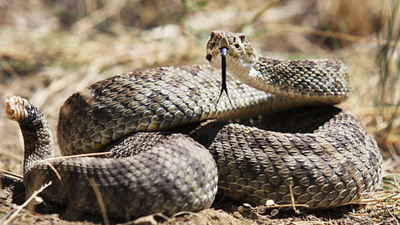
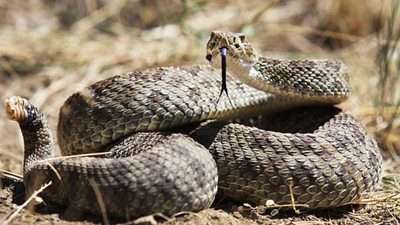
A routine visit to his parents’ home in California turned into a life-threatening medical emergency for an Idaho man after he was bitten by a rattlesnake and ultimately required 54 vials of antivenom—an exceptionally rare amount—to survive.According to SFGATE, Chris Howarth was visiting family in Oroville, Northern California, in May when he stepped into the backyard to check a water line. At first, he thought he had brushed against a thorny plant. Moments later, he looked down and realized he had been bitten by a rattlesnake.
A rare snakebite that quickly turned critical
Howarth was bitten twice, but one of the snake’s fangs is believed to have punctured a vein, allowing the venom to spread rapidly through his bloodstream. Within a short time, he developed severe symptoms, including swelling, a numb tongue and difficulty breathing. Doctors later determined that he had developed disseminated intravascular coagulation (DIC), a rare and dangerous condition in which the body’s blood-clotting system becomes severely disrupted. The complication can lead to excessive bleeding as well as clot formation, making it one of the most serious consequences of venomous snakebites.
Hospital ran out of antivenom
As the venom continued to affect his body, Oroville Hospital used 36 vials of antivenom—enough to exhaust its available supply. Because Howarth still required urgent treatment, he was transferred to Stanford Hospital, where doctors administered another 18 vials, bringing the total to 54Medical experts told SFGATE that most rattlesnake bite patients require only a handful of antivenom doses. Receiving 54 vials is highly unusual and reflects the severity of the envenomation rather than a standard course of treatment. Dr. Rais Vohra, medical director of the Fresno-Madera division of the California Poison Control System, described the incident as “a really unfortunate case,” explaining that, in rare situations, antivenom alone may not completely neutralize the venom’s effects.
Recovery is still ongoing
Howarth spent 12 days in intensive care before he was finally discharged. Although he is back home, his recovery remains far from complete. According to reports, he continues to experience swelling in his ankle, soreness in his leg and persistent fatigue that has prevented him from returning to work. He has said he feels only about 80% recovered. His family has since spoken publicly about the ordeal, hoping it encourages others to take rattlesnake encounters seriously, especially during the warmer months when snakes become more active.
What to do if you’re bitten by a rattlesnake
Medical experts stress that a rattlesnake bite is always a medical emergency. The recommended response is to call emergency services immediately, remain as calm as possible, limit movement of the affected limb and avoid home remedies such as cutting the wound, sucking out the venom or applying a tourniquet. Quick access to hospital care and antivenom remains the most effective treatment.