
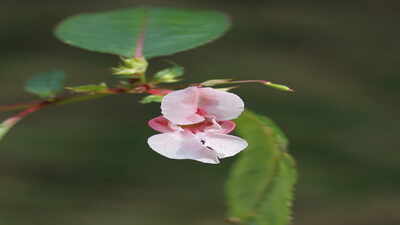
Imagine walking along a British riverside on a summer afternoon, surrounded by pink and purple trumpet-shaped flowers. The air is sweet, and the flowers make the place look as if it came straight from an expensive plant catalogue. For years, walkers did not realise what these flowers were doing to the riverbank.This plant is Himalayan balsam, a fast-growing species now widespread along UK waterways. What began as a prized Victorian garden plant has become a major environmental threat.A field study published in the journal Biological Invasions, titled Invasive non-native plants indirectly destabilise riverbanks, examined the scale of the damage. Led by Dr James Hardwick, an earth sciences lecturer working alongside the University of Stirling and Newcastle University, the investigation reveals a startling reality. This garden escapee can indirectly weaken British riverbanks during winter.From Victorian garden plant to invasive speciesIt all started way back in 1839, when the British gardeners first brought the plant from its native range. They then planted it at Kew Gardens in London. The Victorians loved this fast-growing plant for its pretty flowers, and it was soon propagated widely because of their desire to add a hint of exoticism to gardens all over Britain.Those traits also helped the plant spread beyond gardens. Himalayan balsam produces specialised seed pods that react to the slightest physical touch. When ripe, these pods burst, scattering their seeds several metres in every direction.Once the seeds reach flowing water, they can float downstream and colonise new riverbanks. Without the pests and diseases it faces in its native range, the plant can outcompete native British vegetation and form dense stands along riverbanks.
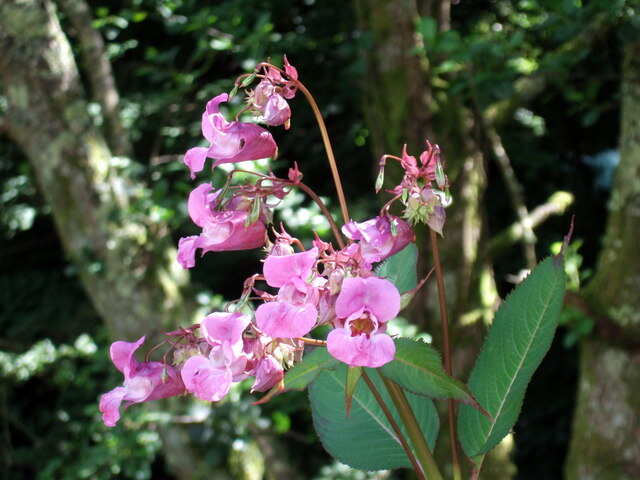
When the balsam dies back in winter, the weakened banks, lacking natural reinforcement, are left vulnerable to significant erosion, impacting river ecosystems and water quality. Image Credits: Wikimedia Commons
How summer growth can contribute to winter erosionEarlier explanations suggested that erosion increased after the plant died back in winter. People assumed that when the plant melted away into dead stems, it merely left the mud bare and vulnerable to rain.However, the peer-reviewed research by Dr James Hardwick reveals that the true mechanism is far more complex and indirect. By utilising advanced statistical modelling, known as Piecewise Structural Equation Modelling, to analyse complex cause-and-effect links across seasons, the research team discovered a hidden environmental loop. The damage begins in summer, when balsam crowds out native grasses, reeds and shrubs that help protect riverbanks.Unlike native plants, which possess deep, dense, interlocking root systems that act like natural reinforcing rebar inside the soil, Himalayan balsam has incredibly shallow, fragile roots. When the invasive plant monopolises the riverbank during the summer, it effectively starves out the native root systems, causing them to die off entirely.When winter arrives, and the balsam dies back, there are no native roots left underneath to hold the soil together. The study quantified the seasonal effect by measuring riverbank shear strength and found that bank resistance drops significantly. This erosion can add fine sediment to rivers, which may affect gravel habitats, water quality and river shape.