
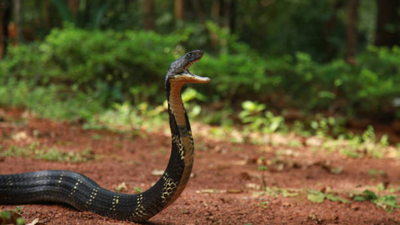
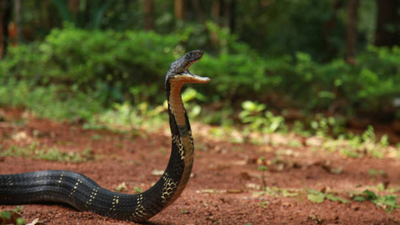
So you spot a king cobra slithering through your backyard, and your first instinct is probably to panic. But here’s what most people don’t realize: that snake isn’t there because it wants to terrorize you. It’s there because you’ve got something it desperately needs, and nine times out of ten, that something is food.King cobras are relentless hunters with one goal in mind: their next meal. Unlike a lot of snakes that’ll eat basically anything small enough to swallow, king cobras are picky eaters. They’re ophiophagous, which is a fancy way of saying they eat other snakes. Lots of them. A single king cobra can consume multiple snakes in one feeding session, and they’re known to travel considerable distances to find them. So if you’ve got a healthy population of rat snakes, garter snakes, or even other cobras hanging around your property, you’ve just rolled out the welcome mat for a king cobra.This is actually the key to understanding why these massive snakes show up near human settlements at all. They’re not out there looking for trouble. They’re tracking their food source, and unfortunately for homeowners in Southeast Asia and parts of India, that food source often thrives in and around human spaces. Rodent populations attract snakes, which attract king cobras. It’s nature’s food chain playing out in your drainage ditch.The tricky part is that most people focus on the wrong problem. They see the snake and think, “How do I get rid of this predator?” But the real answer is simpler: remove the prey, and the predator has no reason to stick around. If you’ve got a rodent problem, you’re basically running a snake buffet. King cobras can smell a single rat from surprisingly far away, and they’ll follow that scent trail like a heat-seeking missile.It’s not that king cobras are aggressive by nature. They’re actually quite calm until they feel threatened. The whole “angry and looking for a fight” reputation comes from the fact that they’re massive—up to thirteen feet long—and they’ve got enough venom to take down an elephant. When a snake that powerful is near your home, people naturally assume the worst. But a well-fed king cobra that’s stumbled onto a property with no snakes to eat is just going to move on.The real way to discourage a king cobra from making your place its new hunting ground is pretty straightforward. Seal up holes and gaps where rodents can hide. Keep your grass short and your property clear of brush piles. Don’t leave food sources lying around. And maybe most importantly, don’t inadvertently create a snake haven with your landscaping.Understanding what brings these snakes around actually changes how you respond to them. Instead of seeing a king cobra as a random threat that appeared out of nowhere, you can recognize it as a symptom of something else going on with your property’s ecosystem. Fix that, and you fix the problem before it ever becomes an emergency.