
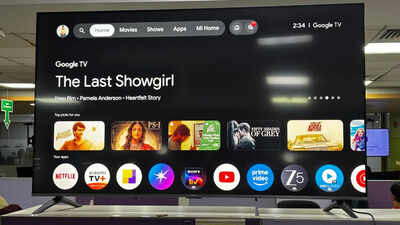
Rating: 4/5 The large-screen TV segment continues to expand, with Mini-LED technology no longer confined to flagship price points. Xiaomi’s new TV S Mini LED (2026) series steps into this space with a QD Mini-LED panel, Dolby Vision, HDR10+ support, DLG 120Hz, and Google TV powered by the PatchWall interface.
With this combination, the company is aiming this TV lineup at users who not only like streaming content and watch sports but also play casual games on their TVs. Starting at Rs 51,999, this TV series promises to be a practical option for buyers seeking a large display without paying the premium price. We tested the 75-inch model (priced Rs 99,999) across streaming, daily viewing, and gaming scenarios to understand how it performs. Here is our experience:
Design and build
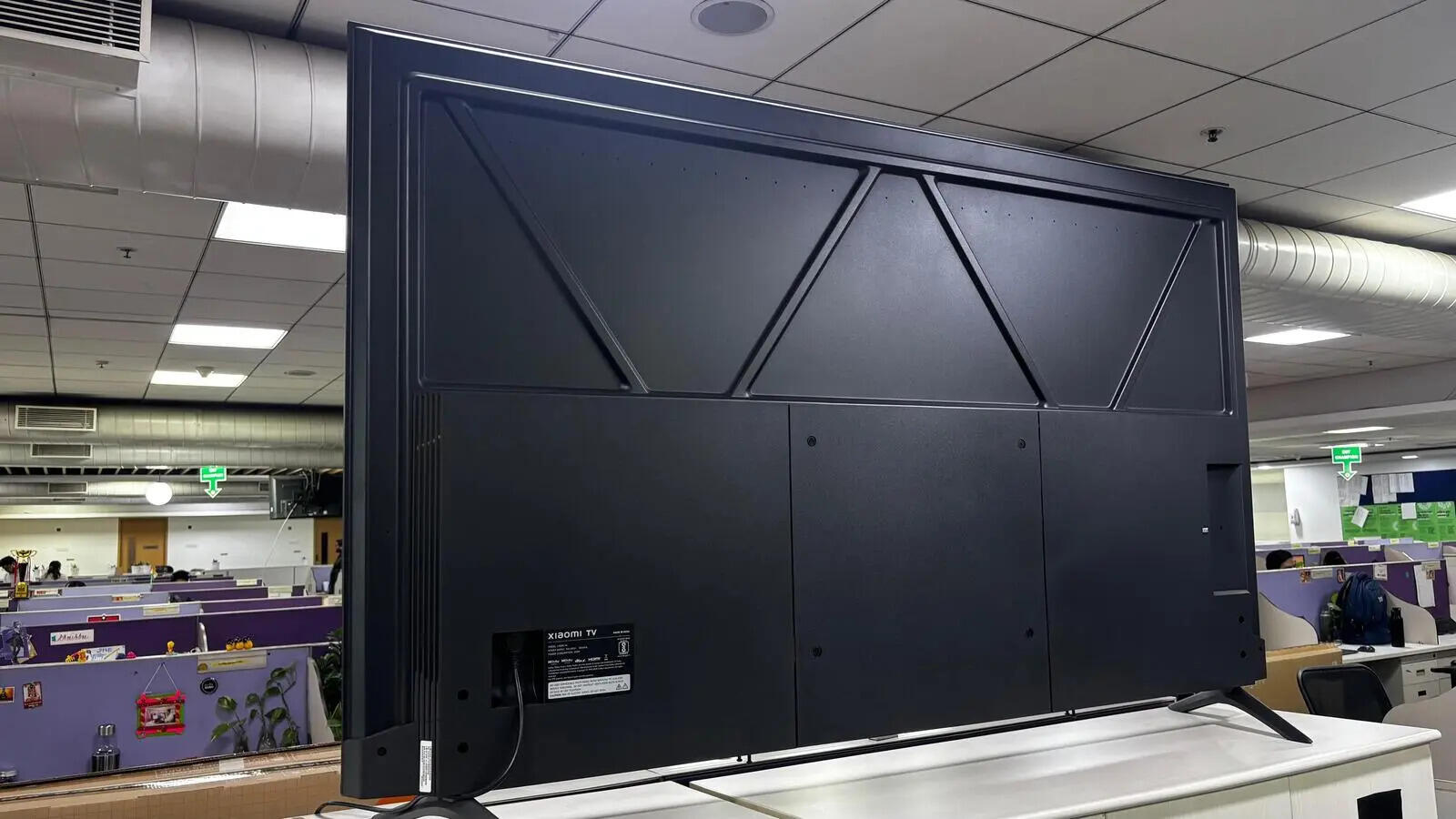
The Xiaomi TV S Mini LED (2026) follows a practical design approach with slim bezels surrounding the 75-inch display. The narrow borders help keep attention on the screen while maintaining a clean appearance suitable for larger living spaces. The black finish keeps the overall look understated.At 83mm thick without the stand, the TV maintains a relatively slim profile for wall mounting. The 400 x 300 mm wall mount support adds flexibility depending on room setup preferences. During use, the included stand kept the TV stable despite the large display size.
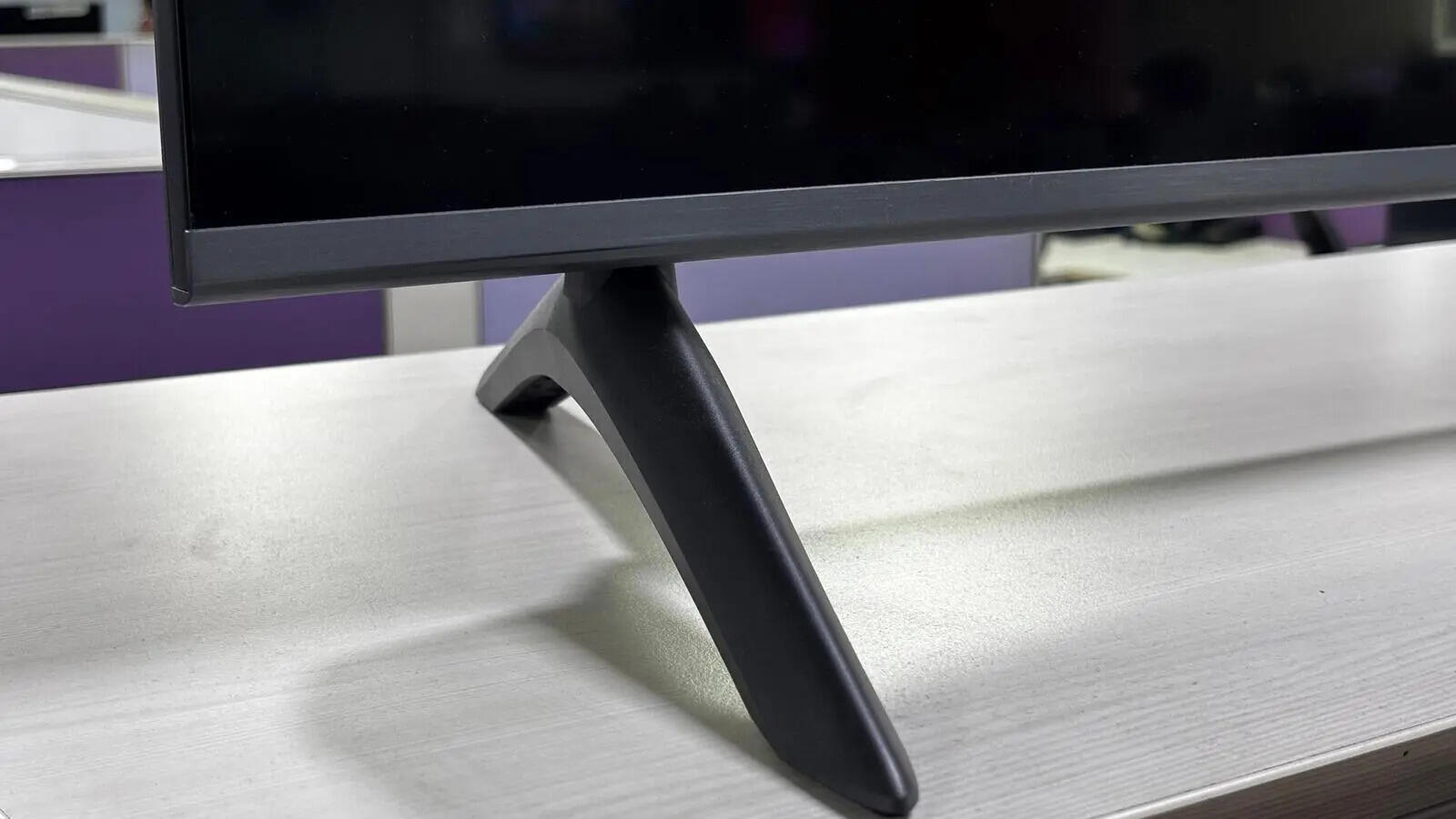
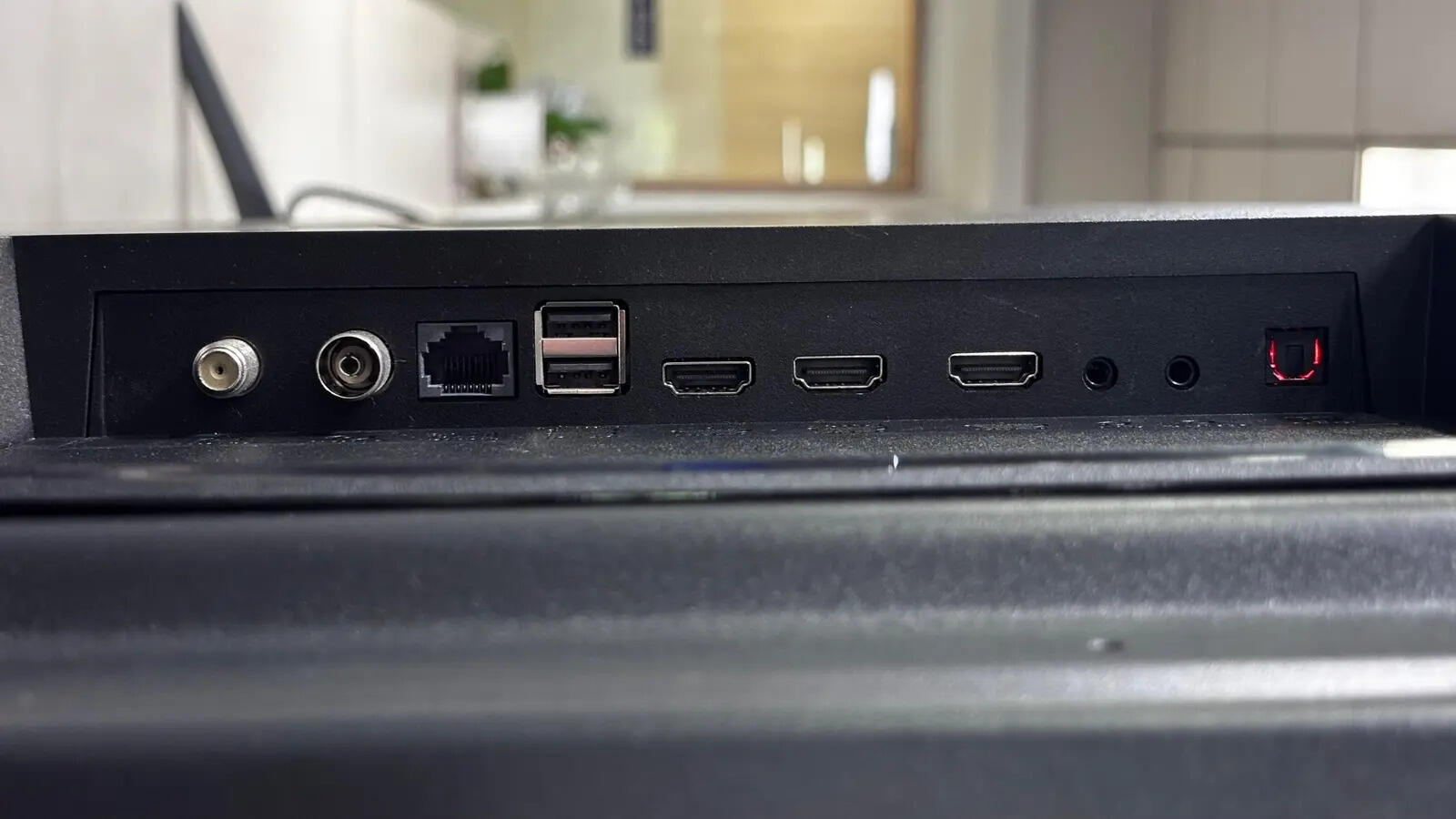
The unit weighs 22.7kg without the base, giving an impression of a sturdy structure. The build focuses more on functionality than decorative elements. Ports are distributed for accessibility and include three HDMI ports, two USB ports, Ethernet, optical output, AV input, and other connectivity options.
Display and audio
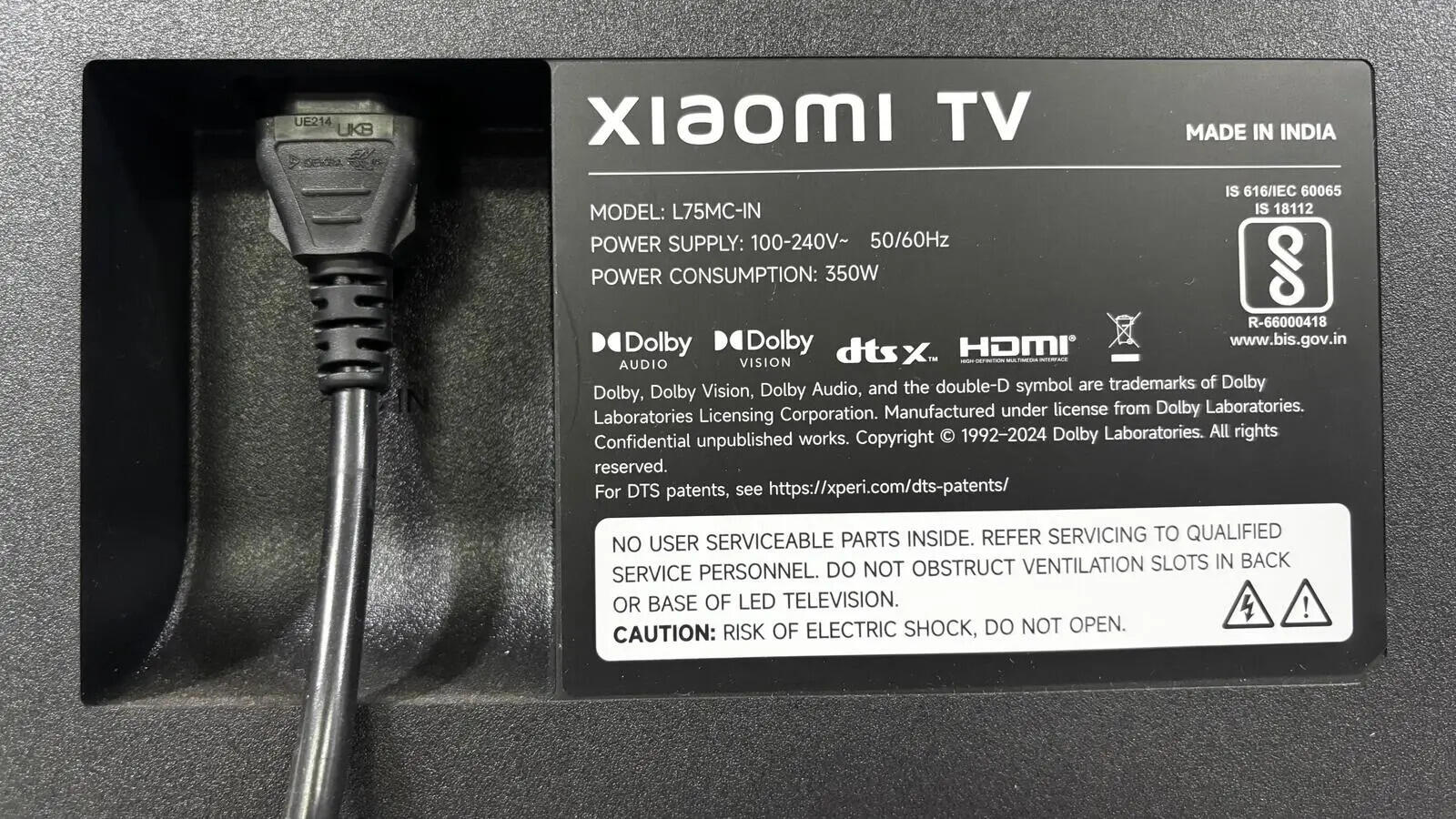
The Xiaomi TV S Mini LED (2026) uses a QD Mini-LED panel with 4K Ultra HD resolution (3840 x 2160 pixels), paired with a 34W speaker system comprising two tweeters and two full-range drivers. Support for Dolby Vision, HDR10+, Filmmaker Mode, Dolby Audio, DTS:X, and DTS Virtual:X promises to create a more immersive viewing experience across movies, TV series, and sports content.
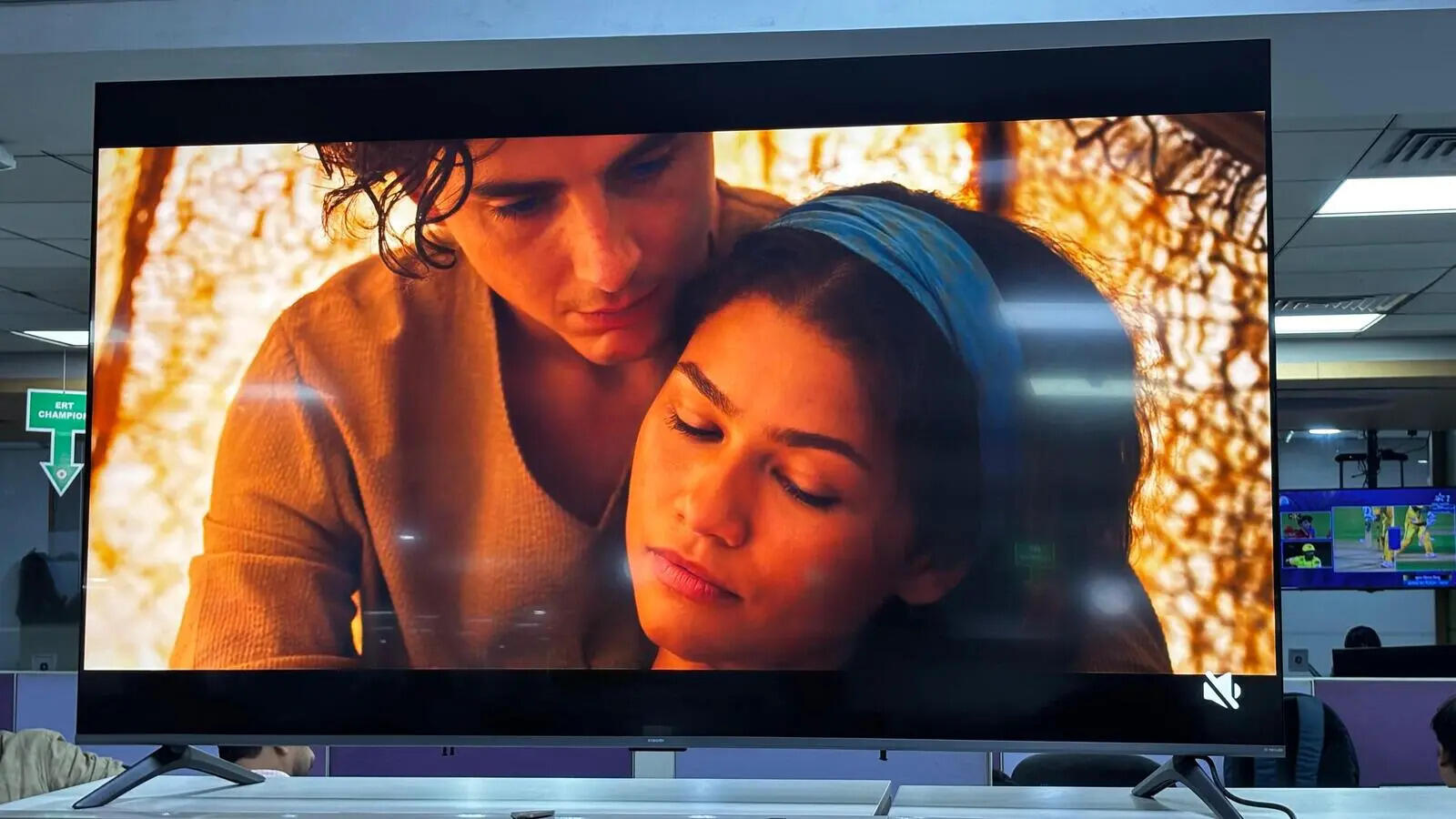
During testing, the display delivered sharp visuals with good detail retention. The brightness levels which can reach up to 1200 nits peak helped maintain visibility in well-lit rooms. Colour reproduction appeared balanced, supported by Xiaomi’s Vivid Picture Engine 2 and DCI-P3 coverage of up to 94%, with skin tones generally looking natural.The Last of Us showed how the TV handles darker scenes. Shadow details remained visible without making brighter highlights appear harsh, while quieter dialogue sequences stayed clear against environmental sounds. In Sandman, dimly lit settings retained texture detail in costumes and backgrounds, with dialogue and background music remaining distinguishable.
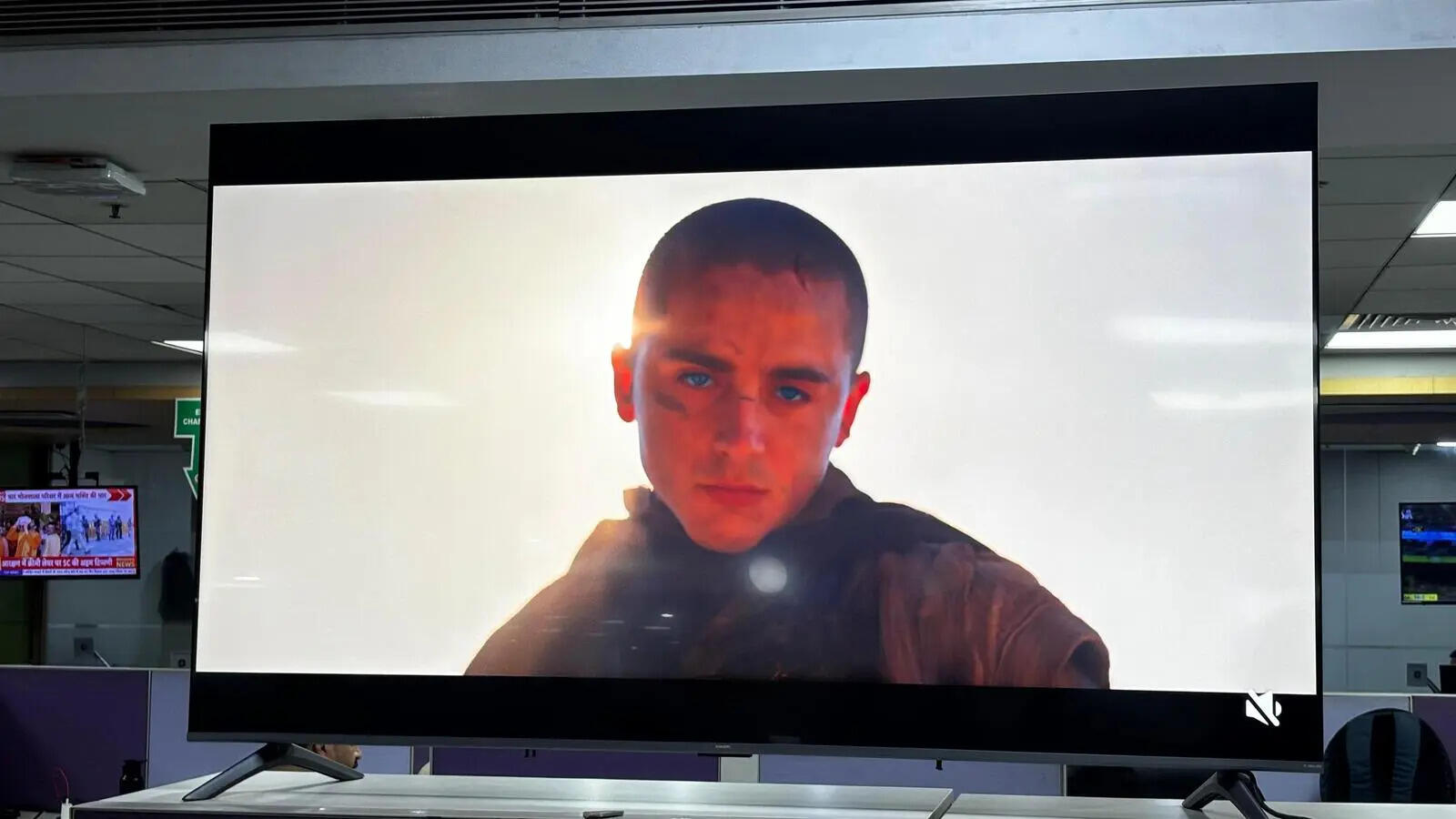
While watching Squid Game Season 3, we saw the panel’s ability to handle bright colour contrasts and layered visuals. Crowd scenes and fast-changing sequences maintained separation between foreground subjects and backgrounds, while the audio setup kept background effects and conversations reasonably distinct.Movies like Dune: Part Two benefited from the TV’s HDR handling, with desert landscapes showing visible texture and balanced transitions between bright and darker portions of the frame. The accompanying soundtrack carried sufficient depth for everyday viewing, though users expecting stronger low-frequency output may still prefer an external sound system.
Similarly, Mission: Impossible – Dead Reckoning highlighted the TV’s motion handling during high-speed chase sequences, where fast-moving visuals remained relatively smooth with MEMC and DLG 120Hz enabled. Engine sounds, background effects, and dialogue maintained reasonable separation through the built-in speaker setup.Picture modes also created noticeable differences depending on content. Filmmaker Mode toned down processing and delivered a more natural appearance while watching movies like Dune: Part Two, preserving colour balance and contrast closer to the source material.
Standard mode worked better for everyday streaming and news content, while brighter presets made sports broadcasts and live events appear more vivid, particularly under well-lit room conditions.We also spent time watching IPL matches to assess live sports performance. Fast ball movement, camera transitions across the stadium, and replay sequences remained smooth, while team jerseys retained distinct colours under varying lighting conditions. Score overlays and on-screen graphics appeared sharp without affecting overall clarity. Commentary stayed clear against crowd noise, and louder moments such as boundary celebrations carried enough impact for casual viewing, though users who frequently watch sports may still benefit from a dedicated soundbar for broader sound output.
Viewing angles remained stable, with limited shifts in brightness or colour when watching from the sides. The dynamic backlight system and built-in light sensor further adjusted brightness based on surrounding conditions, helping maintain consistency across different viewing environments. For movies, streaming content, and sports, the combination of display performance and built-in audio delivers a balanced everyday experience, while eARC support allows easier integration with external sound systems.
Software and other features
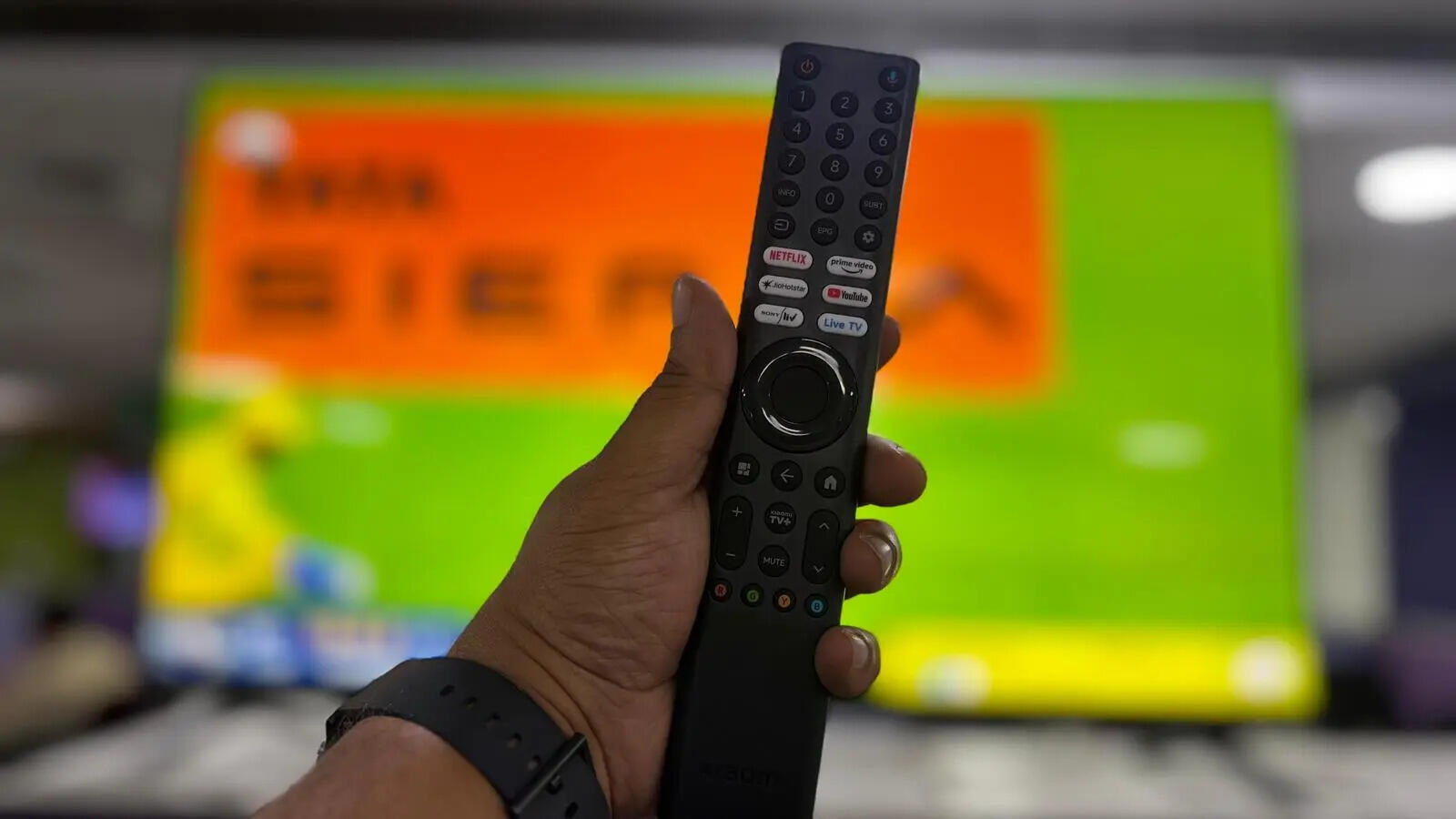
The TV runs Android 14 TV OS-based Google TV with Xiaomi’s PatchWall interface layered on top. Navigation remained stable during usage, supported by a quad-core A55 processor, 2GB RAM, and 32GB internal storage. Apps opened without noticeable delays in routine usage.PatchWall focuses on content discovery and includes Xiaomi TV+ for access to free live channels. Universal search and Kids Mode with parental controls add family-oriented functionality.Voice commands through built-in Google Assistant worked reliably for launching apps or adjusting settings. Casting support is broad, including AirPlay 2, Google Cast, and Miracast. Streaming content from smartphones and tablets remained quite straightforward during our testing.
Gaming and connectivity
The TV includes gaming-oriented features such as ALLM (Auto Low Latency Mode) and DLG 120Hz. Casual gaming sessions benefited from smoother transitions and responsive controls. While the native refresh rate is 60Hz, DLG support provides additional motion handling capability in supported scenarios.Connectivity options include dual-band Wi-Fi, Bluetooth, three HDMI ports with one supporting eARC, two USB 2.0 ports, Ethernet, and optical audio output. The range of ports should accommodate gaming consoles, streaming devices, and external storage without major limitations.
Verdict
At Rs 99,999, the Xiaomi TV S Mini LED (2026) 75-inch combines Mini LED display technology, HDR support, smart features, and gaming tools in a large-screen format. The display delivers balanced colours and brightness levels suited for mixed usage, while the software experience remains stable during daily operation. Audio performance is adequate for regular viewing, though enthusiasts may still prefer dedicated external speakers. Features like Dolby Vision, PatchWall, Google TV, and casting support make the package practical for streaming-focused households. For users considering a 75-inch TV with Mini LED technology and modern smart TV capabilities, Xiaomi’s offering at under a lakh positions itself as a feature-focused option in the premium large-screen category that is worth considering.