


The global luxury market is slamming the brakes right now. Consumers are pulling back. Yet, Prada seems immune to the chill. The Italian house recently reported a staggering $6.2 billion in revenue for 2025, and its growth charts continue their steady upward climb. We look at that stealth-wealth dominance today and assume it was always a given. We forget the era when the empire almost crumbled. The Y2K Financial Sinkhole Rewind to the dawn of the millennium. The internal picture at Prada was remarkably grim. The house was quite literally drowning in red ink. By 2001, the company was buried under a suffocating $1.3 billion debt load. The financial pressure was immense. Traditional marketing campaigns were failing to move the needle. Glossy magazine spreads and billboard buys simply weren’t enough to pull a legacy house out of a billion-dollar hole. A brand built on meticulous Italian craftsmanship was fighting for its survival, and it desperately needed a paradigm shift.
(Image Credits: Pinterest)
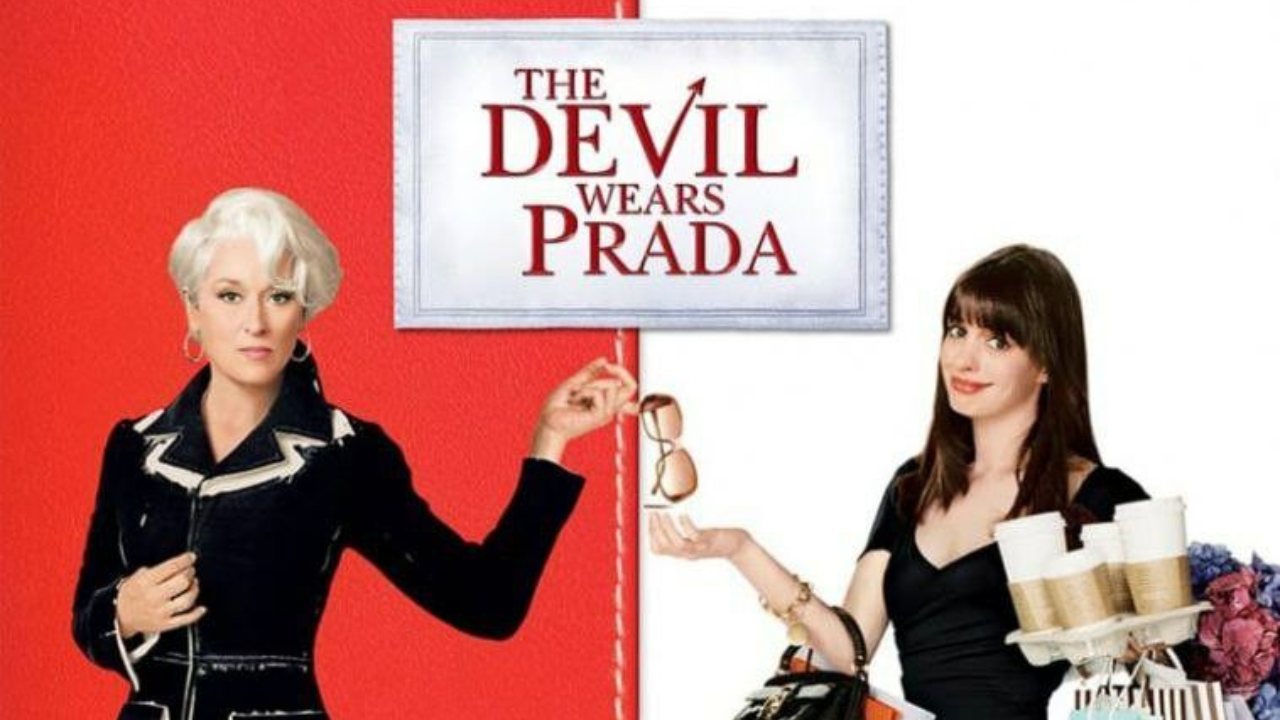
A Masterclass in Cultural Placement The turning point arrived in 2006, and it didn’t come from Milan. It came from Hollywood. The release of The Devil Wears Prada became a runaway global phenomenon, grossing $326 million at the box office. This did something completely unprecedented for the label. It bypassed traditional advertising altogether. This was cultural placement on an astronomical scale. Before the film, Prada was revered primarily by industry insiders, editors, and elite clients. After the film, the brand was thrust into the living rooms of millions who had never watched a runway show in their lives. The broader public suddenly understood the brand’s specific DNA. The name no longer just meant a handbag. It meant arriving at the absolute apex of the food chain. It signaled uncompromising authority.
Changing the Narrative, Not the Product The most brilliant aspect of this massive turnaround is what didn’t happen. Prada didn’t scramble to overhaul its aesthetic. The actual physical garments, the sleek silhouettes, and the leather goods remained exactly the same. What shifted was entirely psychological. The movie altered the global perception of the label. Prada was no longer just selling clothes; it was selling a potent story of power. And in the business of luxury, when you successfully change public perception, you instantly achieve massive scale. The Revenue Rebound The cultural impact hit the balance sheets with remarkable speed. By 2008, the bleeding had officially stopped. Prada recorded $1.36 billion in revenue, signaling that the great turnaround had begun. They had captured cultural lightning in a bottle and converted it directly into hard capital.

(Image Credits: Pinterest)
Going Public and Borderless Expansion Armed with this newly cemented mainstream cachet, the company went on the offensive. In 2011, Prada took the company public on the Hong Kong Stock Exchange, raising a staggering $2.27 billion. This financial war chest funded a hyper-aggressive, global expansion. Suddenly, demand was borderless. The Asia Pacific market exploded by over 40%, while the Americas jumped more than 20%. The brand had evolved from an ailing Italian house into an undeniable global heavyweight. The Modern Legacy Looking at their current $6.2 billion reality, the lesson is absolute. Pop culture provided the initial spark, but sharp strategic direction and a refusal to compromise on heritage fueled the fire. Sometimes, saving an empire doesn’t require redesigning the product. It just requires telling a vastly better story.