
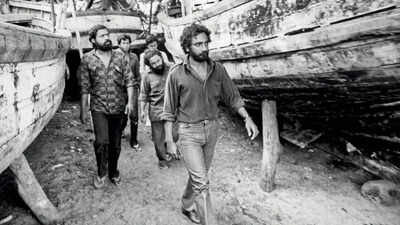
At the 79th Cannes Film Festival, India’s presence is marked by a restored classic: the 4K version of director John Abraham’s cult Malayalam film Amma Ariyan (1986), undertaken by the Film Heritage Foundation (FHF). This year, no Indian film has been selected in any other section of the festival. Yet, over time, the presence of restored Indian films in Cannes Classics – the section dedicated to classic world cinema – has become something Indian cinephiles look forward to.Amma Ariyan was included by the British Film Institute (BFI) in its list of the 10 best Indian films ever made in 2001. Now, in 2026, it has been selected for Cannes Classics, marking the fifth consecutive year an Indian film has featured in the section. Film Heritage Foundation (FHF) Director Shivendra Singh Dungarpur notes that the film had a profound impact on a generation of film students, while Cannes Classics Head Gerald Duchaussoy says that Amma Ariyan is among the best films they have received this year.THE FILM IS A DISCOVERY WE REALLY WANT AUDIENCES TO SEE: HEAD OF CANNES CLASSICSAmma Ariyan is the only Indian film selected for Cannes Classics this year. Gerald Duchaussoy, Head of Cannes Classics, tells us, “Amma Ariyan is definitely one of the best films we have received this year. I was blown away by the intensity that runs throughout the film, the camera movements, the colour scheme, and the political atmosphere. I felt I was watching a 16mm feature from South America from the ’60s or the ’70s, but set in India in the ’80s. That immediately felt right for us at Cannes Classics Amma Ariyan is a discovery you really want audiences to see. A trip in itself, Amma Ariyan needs to be restored and seen in proper condition.”AS STUDENTS, IT HAD AN IMPACT ON US: SHIVENDRA SINGH DUNGARPUR, FHF DIRECTORIndian classics restored by the FHF have been selected at the Cannes for five consecutive years. Previous selections include Satyajit Ray’s Aranyer Din Ratri and Sumitra Peries’ Gehenu Lamai (Sri Lankan film) in 2025, Shyam Benegal’s Manthan in 2024, Aribam Syam Sharma’s Ishanou in 2023, and Aravindan Govindan’s Thamp in 2022. At present, over 200 films from across the world are submitted to the Cannes Classics section, of which only 5-7 are selected.Shivendra Singh Dungarpur says, “John Abraham was a true artiste who had a cult status among film students. We had all heard stories of the maverick filmmaker, and Amma Ariyan had a profound impact on us, shot in cinéma vérité style by Venu, blurring the boundaries of documentary and fiction.”Restoration of the film is as historic as the film itself: Bina Paul, Editor of Amma Ariyan Bina Paul, editor of the film, shares, “The restoration of Amma Ariyan is as historic as the film itself. From permissions to finding good original material, it has required perseverance and belief that the film is worth showing in its original form to newer audiences. I don’t think that Amma Ariyan can be made again – because the film belongs to that time.”Meanwhile, cinematographer Venu ISC recalls being closely involved in the restoration process. He says, “ Amma Ariyan was as much about the journey of making it as the story it tells. By the time John Abraham began the project, he had already directed two critically acclaimed films but was unable to secure a producer. The film became an act of resistance – against what John Abraham saw as the concentration of financial control in filmmaking… New audiences across the world will now be introduced to the work of a filmmaker who lived only for his art, through which he expressed his resistance and idealism.”There are elements that set this film apart: Joy Mathew, film’s lead actorThe film was shot in 35mm black and white, largely with a handheld camera in a documentary-like approach. John Abraham passed away on May 31, 1987, at the age of 49, shortly after he completed Amma Ariyan . Joy Mathew, who made his acting debut with this film, says that both the film and its director have, over the years, become the subject of countless stories.Amma Ariyan , he explains, can be viewed through three lenses: first, as a challenge to commercial filmmaking, made without private capital and sustained by modest public contributions; second, as a rejection of conventional theatrical distribution, reaching audiences in schools, parks, libraries, festivals, and other public spaces; and third, as a docu-fiction work capturing the socio-political milieu of the ’70s and ’80s, reflecting both the workings and failures of the left extremist movement of the time. He says, “These elements are what set the film apart.”
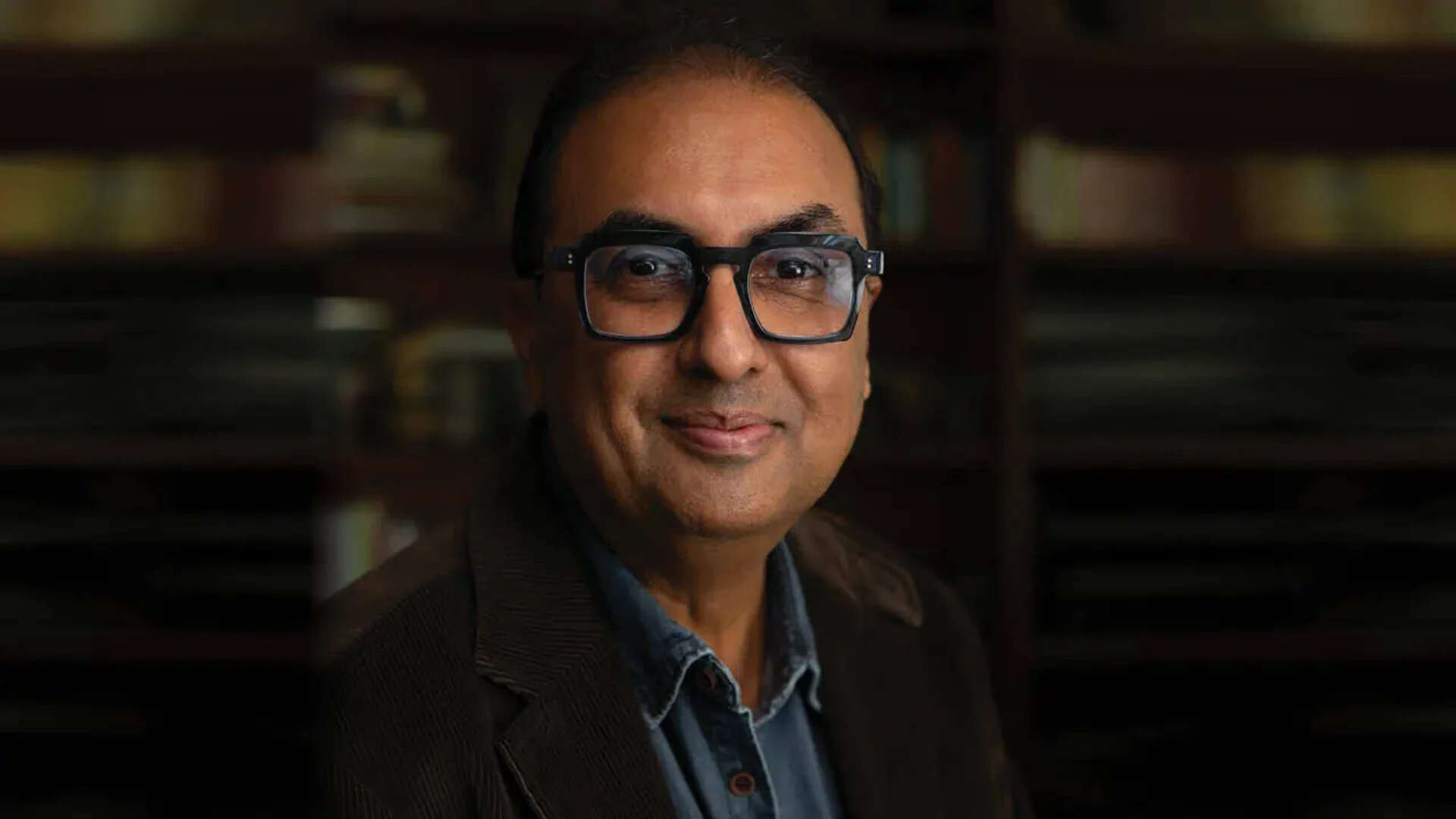
Shivendra Singh Dungarpur