
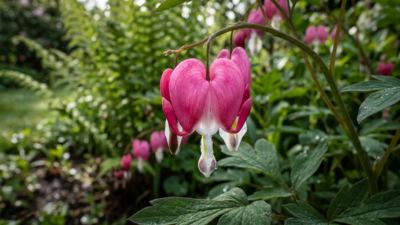
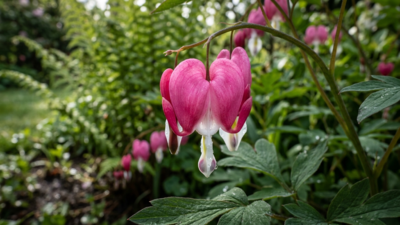
If you’ve ever killed a houseplant and quietly blamed yourself, here’s some really good news: there’s an entire category of garden plants that basically refuse to die. Perennials, plants that return year after year without replanting, are the low-effort, high-reward answer to every millennial’s complicated relationship with keeping plants alive. No subscription service. No weekly maintenance schedule. Plant them once and watch them come back to you year after year.Moreover, the benefits aren’t just for the looks. In a study published in the journal PLOS One, scientists at the University of Florida found that gardening activities measurably reduced stress, anxiety and depression, even among those who had never gardened before. So yes, your garden may actually be good for your mental health.If you have a suburban backyard or just a small patch of dirt outside an apartment, these 11 perennials are worth every bit of the minimal effort they demand.For the shady places that are always forgottenSome yards won’t get full sun, and that is fine. Bleeding heart (Lamprocapnos spectabilis) is happy in deep shade and partial sun, producing delicate pink, red or white heart-shaped flowers on graceful arching stems. It blooms for up to six weeks in late spring and even returns in the fall when temperatures cool, a somewhat reliable surprise.Another shade-friendly favourite is Astilbe, with feathery pink, red or burgundy plumes that look dramatic with little effort. For white flowers and an earlier bloom, plant the Deutschland variety. It’s also deer-resistant, which makes a difference if you live anywhere remotely near wildlife.For sun-drenched yards with room to sprawlIf your garden receives a lot of light, you have plenty of options. Garden phlox (Phlox paniculata) is one of those plants that makes a yard smell like summer, with fragrant flowers in pink, lavender, white or red that bloom from mid-June until frost. It’s a great cut flower too, so you’re getting double the value.Yarrow is another good plant, blooming from June through September on sturdy stems two to three feet tall. The classic form is white, but cultivars exist in yellow, pink, red and lilac. Deadheading, that is, removing spent blooms, keeps it going longer, and it takes about thirty seconds to do.Shasta daisies give you that classic American summer look: white petals around a sunny yellow centre, blooming from July through to frost on tall, happy stems. If you’ve ever wanted your yard to resemble a J. Crew summer campaign, this is your plant.
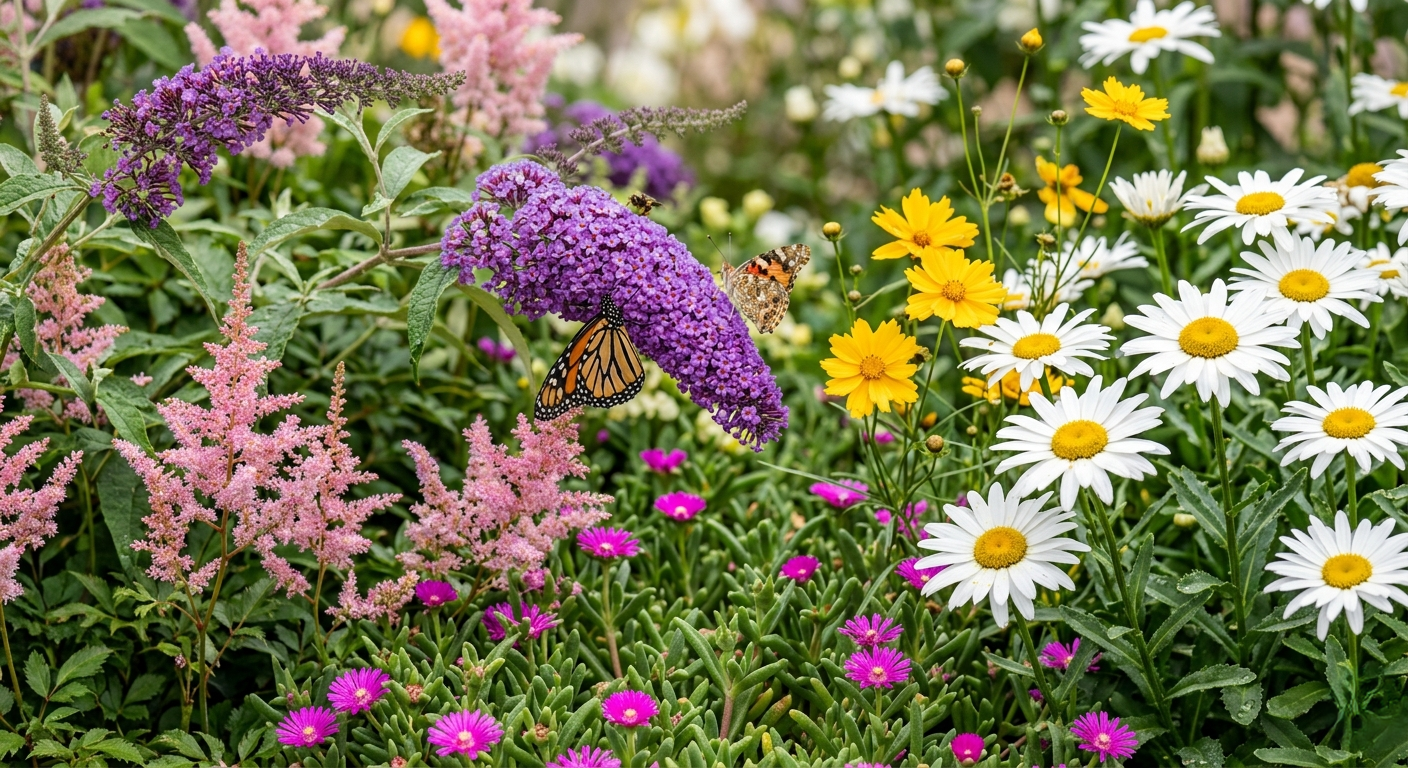
A well-planned perennial garden rewards you with colour from spring through the first frost.Image Credits: Google Gemini
The ones that pull serious double dutyEchinaceaor purple coneflower blooms from early June until September and is also a pollinator magnet. Bees and butterflies can’t resist it, and now it’s available in far more colours than just purple. White, orange, yellow and red cultivars are widely available. It is also one of the more drought-tolerant options on this list, which counts for something during those brutal July dry spells.Cardinal flower (Lobelia cardinalis) is a step beyond that, Brilliant red spikes bloom from July to late September and are almost guaranteed to bring hummingbirds to your yard. If you’ve been hoping to entice some wildlife to your outdoor space, this is the easiest way.Coreopsis, especially the threadleaf type, may be the longest bloomer of all, flowering from spring until frost. It looks delicate but is surprisingly tough, and shearing it back mid-summer triggers a whole second wave of blooms.For the gardener who wants results without the workKnock Out roses have revolutionised the way roses are grown in America. Unlike their high-maintenance cousins, these bloom from spring to fall with almost no intervention. No complicated pruning schedules, no fussing. They grow three to four feet tall and wide and come in yellow, red, orange, pink, and white.Ice plant (Delosperma cooperi) is another low-maintenance winner, a ground-hugging plant that produces purplish-pink, daisy-like flowers from June to October. It loves dry, sandy soil and full sun, and really doesn’t need much attention from you.Butterfly bush finishes off the list, offering long, fragrant clusters of flowers that butterflies adore. If you’re looking for one, try to find sterile, non-invasive varieties such as Blue Chip or Purple Haze, especially if you live in the Pacific Northwest, where some varieties have spread aggressively.Why you should be planting perennials todayStudies by researchers at Michigan State University, published in the journal People and Nature, found that caring for plants helps people identify with nature in ways that produce a genuine sense of accomplishment. Even novice gardeners developed emotional bonds with their plants and reported increased confidence and self-esteem. With perennials, that relationship improves each year. The plants return with more vigour, the flowers multiply, and the garden begins to feel less like a project and more like something that is really yours. That kind of steadiness means something in a season when everything feels fleeting and ephemeral.