
The real estate market of the National Capital Region in 2026 reflects a clear shift in the way urban development is taking place. Development in the NCR is no longer about mere expansion; rather, it is more about vesting development in enhanced infrastructure. Residential and commercial development in the area is now taking place in locations which are equipped with seamless connectivity and presence of comprehensive urban servicesAccording to Ashish Agarwal, Director, AU Real Estate, “The centre of this transition is infrastructure corridors, which are steadily emerging as NCR’s most significant real estate growth engines. The development of roads, expressways, and mass transit systems has also transformed the ways in which people live, work, and commute. Peripherally located corridors have become integrated urban districts to support long-term demand in housing and commercial real estate.” He lists out reasons why infrastructure corridors are becoming the new real estate power hubs.Infrastructure driving NCR’s growthOver the past two decades, NCR’s real estate activity has closely tracked the rollout of infrastructure. Road networks established initial access, followed by metro expansion and, more recently, regional rapid transit systems. Each phase strengthened connectivity across the region and brought clarity to where organised, large-scale development could be effectively supported. Infrastructure plays a central role in shaping NCR’s development landscape. Investments in roads and mass transit are directing the flow of new residential and commercial activity, rather than reacting to it. Growth is therefore consolidating along well-defined corridors where connectivity is fully operational and long-term planning visibility is firmly in place.Roads and expressways anchor residential demandRoad infrastructure has acted as the primary catalyst in NCR’s latest expansion cycle. Expressways and peripheral road networks have improved commute reliability while unlocking large, contiguous land parcels suitable for planned residential development. For homebuyers, predictable travel times and access to employment hubs have become central to location decisions.According to industry research by ANAROCK, a growing share of NCR’s new residential supply and absorption is now concentrated along expressway-led corridors such as the Dwarka Expressway, Noida–Greater Noida Expressway, Yamuna Expressway, and the Southern Peripheral Road. These locations are no longer perceived as future growth zones. They are tracked as established sub-markets, supported by robust infrastructure, active construction, and rising occupancy levels.Price movement across these corridors further reinforces this trend. End-user demand and improving liveability, rather than speculative activity, primarily support steady appreciation, contributing to greater market stability.
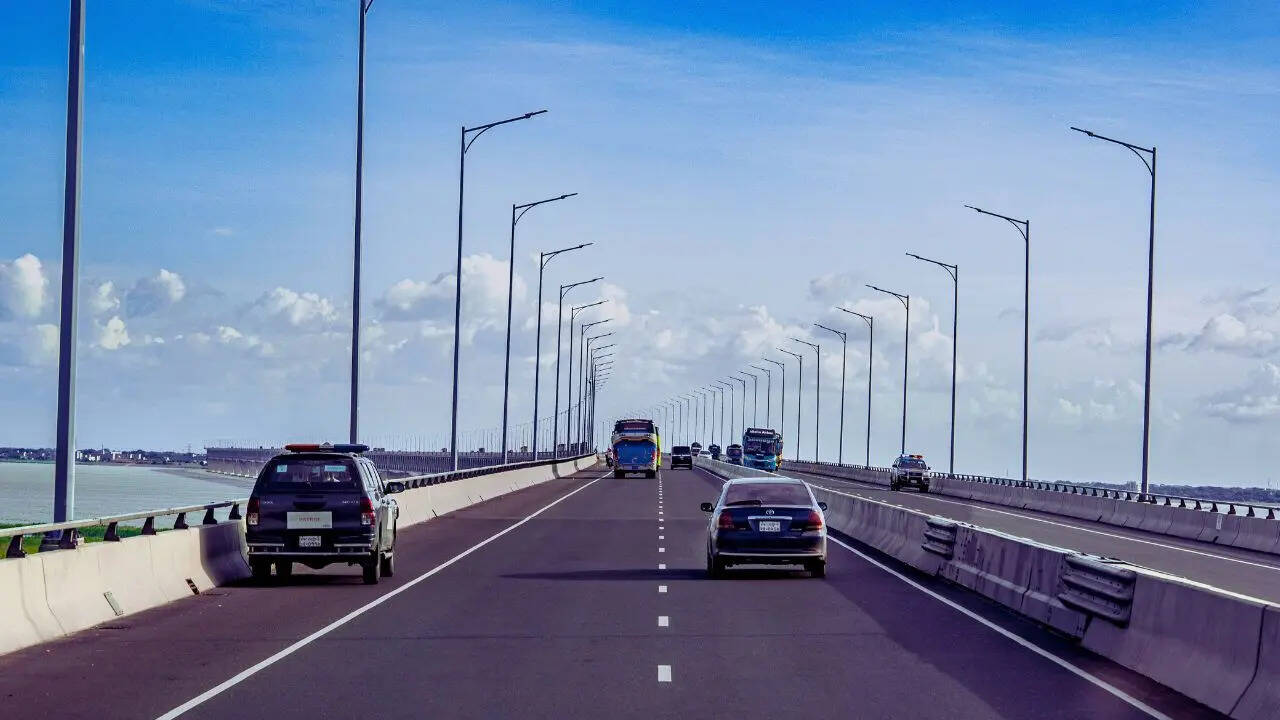
Out of these, the NH24 corridor, which is now redesignated as NH9, commands special attention. As this corridor extends itself towards Meerut via Ghaziabad, Noida, and Greater Noida, it is the direct accessibility of this corridor from the central part of the capital that gives it utility, coupled with the immense untapped potential for development on this stretch of the highway. The proximity of the NH9 highway to the central part of Delhi makes it a hotspot for a larger segment of end users, especially those who are not willing to compromise on connectivity, luxury, etc. Moreover, with the RRTS Ghaziabad-Meerut route passing alongside this highway, the corridor is evolving itself from being merely a highway into a developed part of the realty map of Delhi NCR. Several landmark and high-end projects of reputed developers have already supplied the NH9 corridor with luxurious residences. In practical terms, this means the corridor is not just adding housing; it is upgrading the quality and intent of what is being built.Metro and rapid transit add depth to corridor marketsWith road connectivity established as a benchmark, the role of mass transit infrastructure has been a complementary factor in consolidating corridor markets. The Delhi Metro network and the launch of the Regional Rapid Transit System (RRTS) have enhanced access to new markets, reducing reliance on private modes of transport. JLL India has noted that markets with operational or near-operational metro/rapid transit connectivity tend to have better efficiency in terms of absorption as well as lower inventory overhang compared to non-transit-linked markets. Reliable transit access has converted acceptable commutes into predictable ones, strengthening both residential appeal and long-term demand resilience. In practical terms, transit connectivity has expanded the range of locations considered viable for both living and working, accelerating the shift toward decentralised but well-connected urban nodes.End users take the leadAnother important tenet of the current cycle is the increased end-user demand. As compared to earlier phases of corridor development which were often characterised by investors’ anticipation of future appreciation, today’s activity is majorly led by households which seek long term residency. The development of more regulatory clarity, better project execution, and visible infrastructure delivery has helped to build more buyer confidence. This is evident through corridors such as the Dwarka Expressway, where price appreciation in the past few years has been driven more through project completion, handover, and increased occupancy rather than short term trading. The NH9 corridor also represents this shift from a more focused buyer-centric perspective, as homebuyers in this corridor are primarily first-timers and upgraders from within the corridor who are looking to stay rather than move westward. The wide spectrum of ticket sizes, coupled with increasing liveability and direct access to central Delhi, has made NH9 one of the most active corridors in NCR in terms of genuine household-driven demand, with buying decisions tethered in intent rather than return requirements. This has resulted in more stable price behaviour and lower volatility across corridor markets.Integrated development along corridorsThe character of development along NCR’s infrastructure corridors has also evolved. Residential projects are now being developed in conjunction with schools, healthcare facilities, and neighbourhood retail and community facilities. In some locations, office spaces are also being introduced in a phased manner. Many corridor locations now have self-sustaining urban districts, where daily needs can be met within these areas, helping to reduce pressure on legacy infrastructure.Commercial real estate and the shift from the coreCommercial real estate has followed residential momentum into infrastructure corridors, though the transition has been measured. Central business districts continue to retain relevance, but occupiers are increasingly evaluating decentralised locations where connectivity, operational efficiency, and expansion potential align. JLL data indicates that well-connected corridor locations are gaining acceptance as long-term office destinations rather than cost-driven alternatives. 2026 Outlook: Corridors as NCR’s growth anchorsInfrastructure corridors are no longer peripheral to NCR’s real estate story. They are now shaping the next chapter. The intersection of infrastructure, transit, residential, and commercial is reshaping the way the NCR is developing and the way value is being created. As the NCR continues to evolve, the promise of infrastructure-led growth will mean that the future is more balanced, resilient, and sustainable. The introduction of infrastructure corridors in 2026 is one of the most significant developments in the evolution of the NCR real estate market