
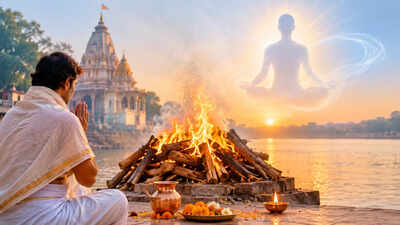
A video is going viral on social media wherein an Indian man is explaining to a foreigner that according to Hindu belief five categories of people are not cremated. And he explains the reasons behind this also. The Garuda Purana is one of Hinduism’s revered sacred texts and it explores death, karma, rebirth and the soul’s journey beyond the physical world. In Hindu philosophy, death is often described as a transition rather than an end. While the body returns to the five elements, the soul, according to Hindu belief, continues its journey and cremation is the most widely practised Hindu funeral custom.A recent video on Instagram has drawn attention to five categories of people whose bodies, according to certain traditional interpretations, are not cremated. Let’s find out:ChildrenOne of the most emotionally significant aspects of the Garuda Purana concerns the death of children. The scripture describes different funeral procedures depending on a child’s age and stage of life.In Chapter 25 of the Preta Kalpa, the text discusses Antyeshti for children and prescribes burial for very young children. Verse 7, for instance, describes burying children below the specified age threshold rather than cremating them. The spiritual interpretation behind this practice is that children have not yet experienced the full range of worldly attachments, responsibilities and rituals associated with adult life.Sanyasis, saints, monksAnother important category comprises Sanyasis, saints and ascetics who have renounced material possessions and family attachments. In Hindu philosophy, Sanyasa represents a significant stage of spiritual evolution. A Sanyasi dedicates life to self-realisation, discipline, meditation and the pursuit of liberation, or Moksha.This explains the practice of Bhu Samadhi, or burial, for many Hindu saints and Sanyasis. Their bodies are placed in a समाधि (samadhi), often in a seated posture, and the site may become a place of meditation and pilgrimage for devotees.Those who die from snakebites
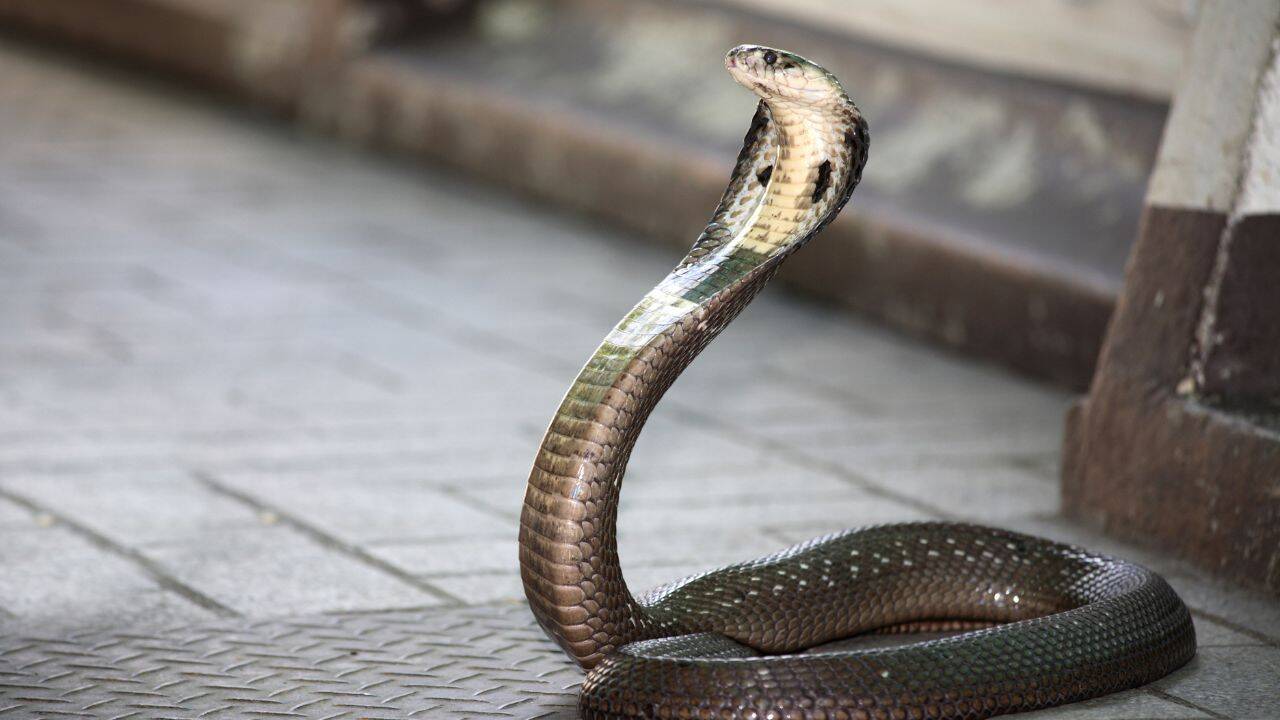
From snakebites
Now this is a little unusual. Chapter 13, verse 9 of Garuda Purana specifically states that the usual rites beginning with cremation are not performed for those who die from a serpent’s bite.The same passage mentions deaths caused by drowning, horned animals and weapons, indicating that certain unusual or violent deaths were treated differently under traditional funeral prescriptions.Snake worship has a significant place in Hindu spirituality. Serpents are associated with Lord Shiva, who wears Vasuki around his neck, and with Lord Vishnu, who rests upon the cosmic serpent Shesha.Pregnant women

Pregnant woman (Canva)
The death of a pregnant woman is another sensitive subject addressed in traditional Hindu funeral literature. Pregnant women also can’t be cremated. Verses 91–92 describe a procedure in which, if a woman dies in the final stage of pregnancy, the child is to be removed from the womb and placed on the ground before the woman’s body is cremated.Those who die unnatural or violent deathsThe Garuda Purana discusses several other circumstances involving unusual or violent deaths. Its Preta Khanda describes special procedures for people who die through drowning, animal attacks, poisoning, weapons, accidents and other unnatural circumstances. These deaths are discussed separately from ordinary funeral rites.What does the Garuda Purana ultimately teach about death?Hindu philosophy considers the physical body temporary, while the Atman, or soul, is eternal. This distinction is also central to the Bhagavad Gita, in which Lord Krishna explains that the soul neither takes birth nor dies in the way the physical body does.The purpose of Antyeshti is a sacred farewell, an expression of gratitude towards the departed and a way for the living to fulfil their spiritual responsibilities.For a spiritual seeker, the Garuda Purana’s discussion of death is ultimately an invitation to reflect on life itself: our attachments, our actions, our responsibilities and the legacy we leave behind.