
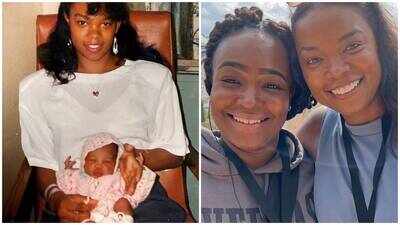
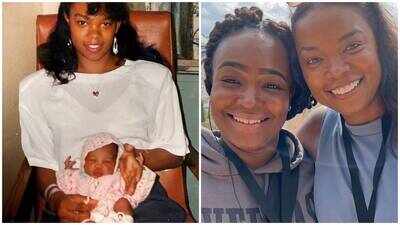
Zoe Shaw was a 15-year-old high school student when she discovered she was pregnant in 1990. After deciding against an abortion, she says her family sent her to Jerry Falwell’s Liberty Godparent Home in Virginia, where she felt pressured to place her baby for adoption. She gave birth to a daughter, Sara Valentine, and had only a few minutes to hold her before saying goodbye.Zoe believed she might never see her child again. She had crocheted a blanket for the newborn and used their brief time together to tell her she was sorry and hoped she would not hate her. Then she returned home and, as she recalls, was expected to act as though the pregnancy had never happened.Eighteen years later, Sara found her birth father through Facebook. A conversation with him eventually led to a phone call with Zoe, setting in motion an emotional reunion between mother and daughter. In an interview with PEOPLE, the two women have opened up about the adoption, the search for their biological family and the years it took to rebuild their relationship.
Zoe Shaw recalls being sent to Jerry Falwell’s Liberty Godparent Home
Zoe says she became pregnant while dating her boyfriend as a teenager. Initially, the couple considered abortion, but she changed her mind during an ultrasound appointment and left the clinic.When her mother found out, Zoe recalls being met with disappointment. She says her mother told her she had brought shame on the family and that she could no longer stay at home. Her family then arranged for her to go to an unmarried mothers’ home.The home was connected to the work of prominent Baptist minister Jerry Falwell, who founded an organisation called Save a Baby. According to Zoe, the girls were expected to attend church services several times a week at Thomas Road Baptist Church, where Falwell preached.She describes an environment in which communication between the young women was monitored and conversations about what happened after childbirth were discouraged. Zoe says girls approaching the end of their pregnancies would leave without being allowed to say goodbye to the others.“There’s never a path toward keeping your baby,” she recalled, explaining that the girls were encouraged to believe adoption was the right choice and that a child needed to grow up in a two-parent household.Zoe also remembers being shown a small selection of prospective adoptive families. As she was Black, she says there were only a few families to choose from. She was given photographs and brief descriptions and asked to select the people who would raise her daughter.
She crocheted a blanket before saying goodbye to her daughter
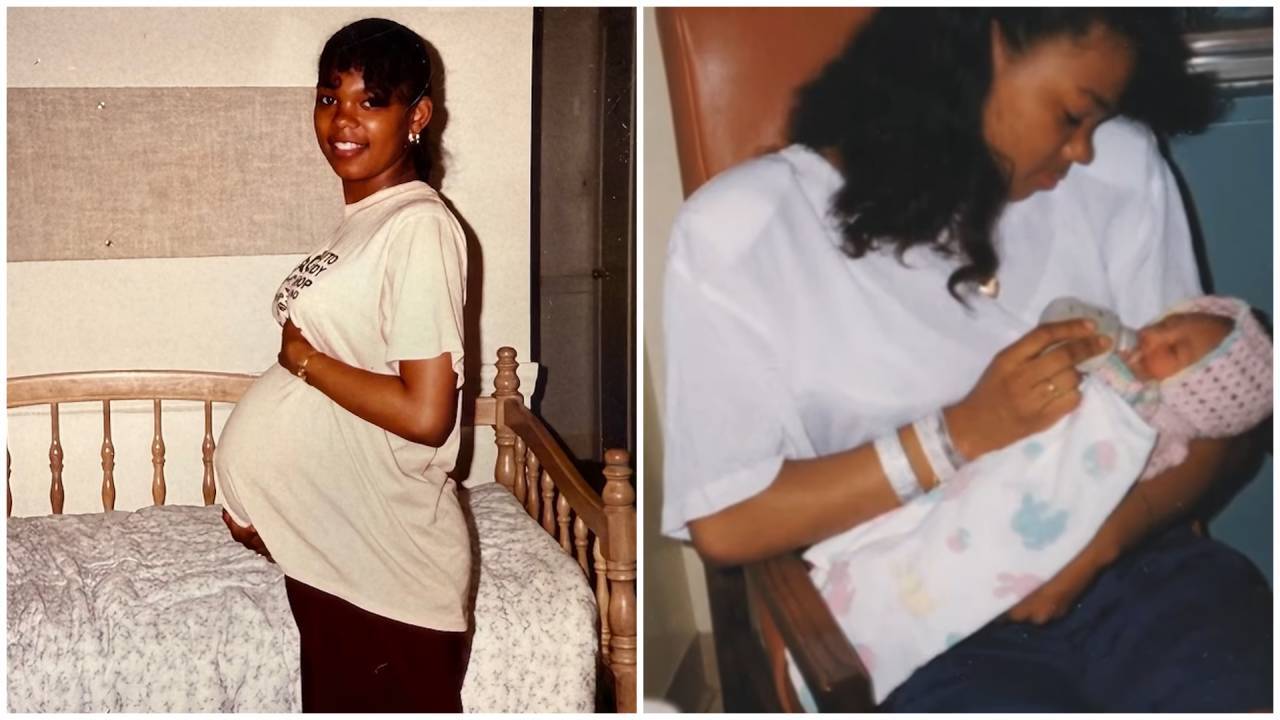
Zoe Shaw says she was sent to Jerry Falwell’s Liberty Godparent Home as a pregnant teenager and placed her daughter for adoption.
Zoe gave birth to Sara at the home. She remembers the moment her newborn was placed in her arms as a sweet one, but their time together was brief.Before the birth, she had crocheted a blanket and collected a few things for the baby. She was allowed a few minutes to say goodbye.“I didn’t think that I would ever see her again. I hoped I would, but I didn’t think that I would,” Zoe said.After returning home, she says she was expected to keep the pregnancy and adoption secret. She tried to carry on with her life, suppressing her grief and shame. Her daily walks into the woods became the one place where she could let herself cry and think about her daughter.Sara, meanwhile, grew up in Gaithersburg, Maryland, with her adoptive parents. She says they told her from an early age that she was adopted and celebrated the anniversary of her adoption. She was told that her birth mother had been too young to raise her and that she had been placed with a family who loved her.
Facebook helped Sara find her birth father
Sara began searching for her biological family after receiving letters from her birth parents. One letter from her birth father, Vinnie Brown, contained information about his name and background, although some details had been blacked out by the adoption agency.She recognised his name and searched for him on Facebook. A profile picture matched one she had seen in the letters, so she sent him a friend request.Within minutes, he messaged her with a question: “Are you my daughter?”Sara was studying at Morgan State University at the time. She recalls rushing to tell her friends that she might have found her birth father. After they spoke on the phone, he travelled to meet her.During their conversation, he told Sara he needed to call Zoe. When the call came through, the two women heard each other’s voices for the first time in nearly 18 years.Zoe remembers dropping to the bathroom floor when she heard her daughter say hello. She was excited to meet Sara, but there was another complication: her other children did not know about the adoption.
Zoe’s husband wanted her to keep Sara a secret
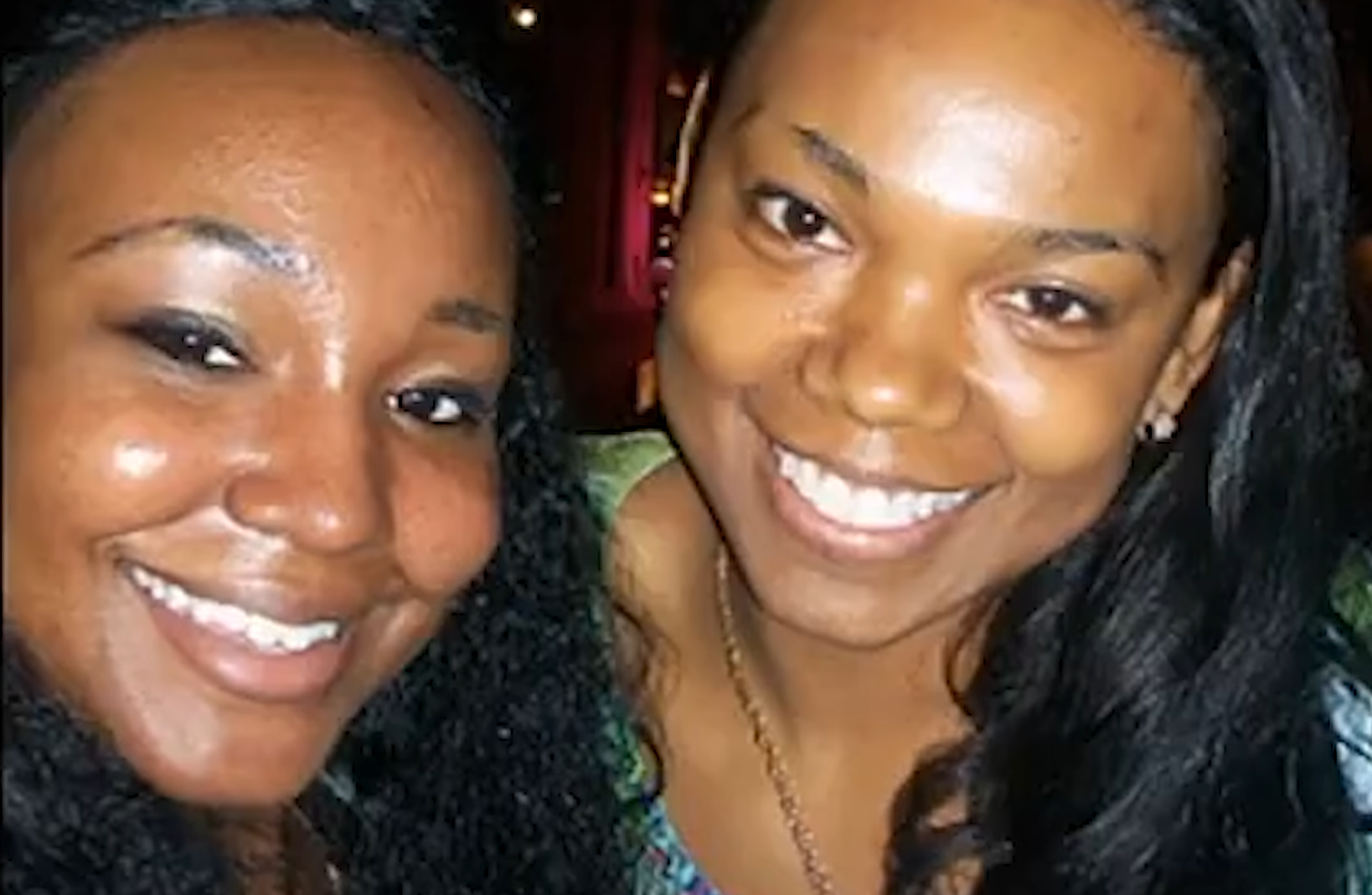
Sara Valentine traced her biological family through Facebook, eventually reconnecting with her birth mother, Zoe Shaw, nearly two decades after her adoption.
Zoe says she had told her then-husband about the daughter she had placed for adoption, but he did not want the family to know about Sara. He also opposed Zoe’s decision to meet her.Despite his objections, Zoe decided to travel to Las Vegas to see her daughter. She told her children she was going to a conference and flew alone to meet Sara.For both women, the first meeting was emotional and surreal. Zoe remembers seeing Sara at the top of an airport escalator and feeling as though a missing piece of her life had finally fallen into place. They embraced and spent the weekend getting to know each other.Sara described the reunion as beautiful but awkward. They had a biological connection, but they were also strangers trying to work out where they belonged in each other’s lives.They stayed in touch after that first meeting, seeing each other when Sara travelled to Maryland. Over time, Sara also met Zoe’s parents.
She introduced Sara to the family at her father’s funeral
One of the most significant moments in their relationship came when Zoe’s father died. She decided Sara should be invited to the funeral, even though her husband was unhappy about the possibility of the children meeting her.With relatives gathered, Zoe introduced Sara as her daughter, explaining that she had given birth to her as a teenager and placed her for adoption.“I refused to make Sara hide. I had already hidden for so many years,” Zoe said.Sara remembers feeling unsure about how the family would react, but says relatives welcomed her. For Zoe, speaking openly about the adoption brought both guilt and a sense of freedom. She had spent years believing that revealing the truth would cause her family to fall apart. Instead, she found that her relatives embraced Sara.Zoe says the experience changed how she understood the shame she had carried since adolescence. She has since begun helping other people work through similar feelings.The two women now describe their story as one of reconciliation and acceptance. Zoe says she feels the same pride in Sara that she would have felt had she raised her from birth.“I didn’t raise you and yet I am so proud of you as if I did,” she told her daughter. “I feel that exact same motherly pride in you and who you’ve become.”For Sara and Zoe, the reunion did not erase the years they spent apart. But it gave them the chance to build a relationship that both once thought might never exist.