


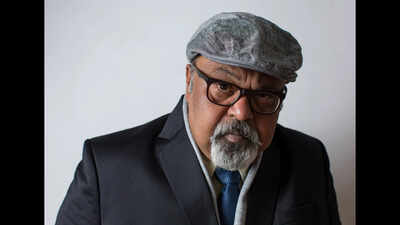
For Saurabh Shukla, even a play that has been performed hundreds of times can still spring a surprise. Much like life itself, he believes, a story reveals something new with every retelling, as the experiences we gather along the way change the way we see it. It is this restless curiosity about storytelling that has taken him across cinema, theatre and writing. And soon, he will be bringing that perspective back to Pune, where he returns on Sunday, November 29, with his theatrical production Barff. Shukla’s association with the city dates back to the 1990s, when its old-world charm first caught his attention. Over the years, he has taught acting students at the Film and Television Institute of India (FTII), conducted a workshop at Pune University and staged plays here, including Two to Tango and Barff. But ask him what he remembers most about Pune, and it isn’t just the stages or the institutions. “I could never forget the audience. So receptive, such a decent audience,” he says, before adding that the city’s food is another reason to look forward to a visit.
Saurabh Shukla on similarities between theatricals and life
His play Barff, which has travelled across cities and found audiences beyond India, continues to offer him new discoveries with every performance. Shukla sees this as an extension of how people experience life itself. “On the surface, it seems that the same thing is going on. You’re a human being, you wake up the next day and move on. It’s the same pattern. But every day is a new day. The experiences are unique and always different.”
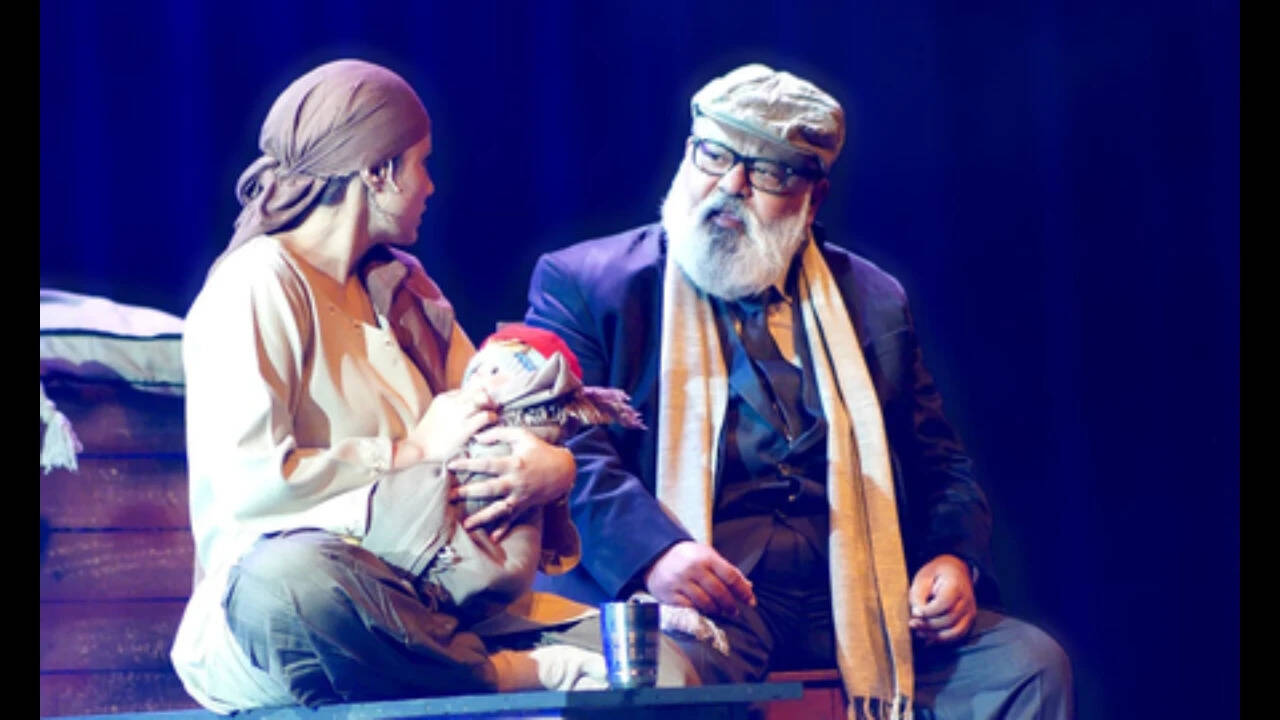
The same, he believes, applies to a play that has been performed repeatedly. “It’s not that you’ve understood everything. As you keep growing in life, new experiences change your way of thinking. You start seeing the story, the situation and the theme of the play differently. These are discoveries you encounter on a show-to-show basis.”
“In theatre, you have time; in cinema, you need to deliver”
For someone who has spent considerable time working across different mediums, Shukla is also clear that theatre, cinema and OTT should not be measured against one another. They are, after all, different forms of storytelling, each with its own possibilities and limitations. Theatre’s biggest distinction is the presence of a live audience and the immediacy of its response. But there is another advantage that he believes is often overlooked: the freedom to experiment. “Theatre has more chances of experimentation. And it’s not because it’s some divine form of art. It’s for the simple reason that cinema is a much bigger economic activity,” he explains, “When there is a heavy investment, you have to be responsible towards getting back the money.”
Exclusive: सौरभ शुक्ला का खुलासा- मेरी शादी में मनोज बाजपेयी का था बड़ा हाथ, हम फाकामस्ती करते थे
That difference also influences the creative process. In theatre, a production can spend two or three months rehearsing, trying out ideas and discarding what does not work. Cinema, on the other hand, demands that an actor deliver on the day of the shoot. “In theatre, you always have time on your side. Whereas in cinema, you need to deliver. The day you are at the shoot, you need to deliver at that point.”
“Shakespeare did not have a camera”
Shukla’s understanding of storytelling extends beyond acting. As a writer and director, he believes that constructing a story is only the beginning. It must also be translated effectively into the medium in which it is being told. He recalls the frequent friction between writers and filmmakers, particularly when writers become too attached to their lines and resist changes during the adaptation process. To explain why that approach can be limiting, he recalls an anecdote about a filmmaker adapting Shakespeare for the screen. The filmmaker was criticised for cutting a substantial portion of the original text, prompting the question: how could anyone edit Shakespeare? His response, as Shukla remembers it, was simple, “Shakespeare did not have a camera.”

Saurabh Shukla on the language of cinema
If a character describes a gloomy day and clouds that look as though they are carrying blood, a filmmaker does not necessarily need to retain every word. “I will just tilt up and see that. And that’s more than enough for me,” Shukla says. For him, the anecdote illustrates why writers, directors and actors must understand the medium they are working in. “If you say that I’m just a writer, then you’re definitely not made for this medium. You have to think like a director. You have to think in that particular medium, and it goes for actors also.”
On working with SRK
This belief in collaboration is also evident in his recollection of working with Shah Rukh Khan, with whom he shares screen space in the upcoming film King. While he has known SRK through their professional association, what has stayed with him is less about the actor’s stardom and more about his ability to connect with people. “The way he connects, the way he engages himself with you in a conversation is is something which he’s really gifted with,” he says. What particularly impresses Shukla is SRK’s ability to make the person across from him feel important. “Normally, there is a tendency of talking about yourself, your achievements, your fears, your happiness. But there are people like Shah Rukh, who make you feel that you’re so important that he wants to know what you have done. Shah Rukh doesn’t start talking about himself. He listens to you, and he listens like a child.”

Shah Rukh Khan
Saurabh Shukla on violence and crass language in films
It is this distinction between telling a story and simply responding to what sells that informs his views on violence and language in cinema. Shukla says that violence and abusive language should not be included merely because they attract attention. The more important question for a filmmaker is whether these elements genuinely belong to the world being depicted. “If we talk about Satya, then he can’t speak in the language of Premchand or Rabindranath Tagore,” he says, referring to the social and economic realities that shape a character’s language and behaviour. “If violence and abusive language are part of that world, then they may be needed to bring authenticity to the story. That’s the right approach. But simply saying that films with a certain kind of violence are successful, so let’s keep increasing that streak, is not storytelling. That is making a project. That’s not telling a story.”