
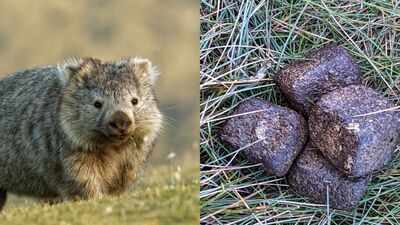
Some animals leave footprints, others leave feathers. Wombats, however, leave behind tiny geometric masterpieces. And no, this isn’t a joke.It is unusual to read about faeces of any kind, yet nature has fascinating creatures that compel you to read about the subject. Wombats are adorable, barrel-shaped Australian marsupials with an unusual talent: they produce perfectly cube-shaped droppings. Yes, you read it right. Not round pellets, not shapeless piles, but little cubes that look as though they were carefully manufactured in a miniature brick factory. And the strangest part? They are made inside the wombat’s intestines, not shaped at the last moment as they leave the body.It sounds like something straight out of a wildlife documentary written by a comedian, but this peculiar phenomenon is very real. In fact, wombats are the only known animals to produce naturally cube-shaped faeces. While the rest of the animal kingdom seems perfectly happy with conventional waste disposal, these Australian residents have developed their own rather impressive form of geometric engineering.And if you are wondering why an animal would need square-shaped poop, the answer is surprisingly practical.
A little square for a big purpose
Wombats are solitary, territorial creatures that spend much of their time underground, digging elaborate burrows and grazing on grasses, roots and other vegetation. They may look like oversized teddy bears with short legs, but they take their personal space quite seriously.
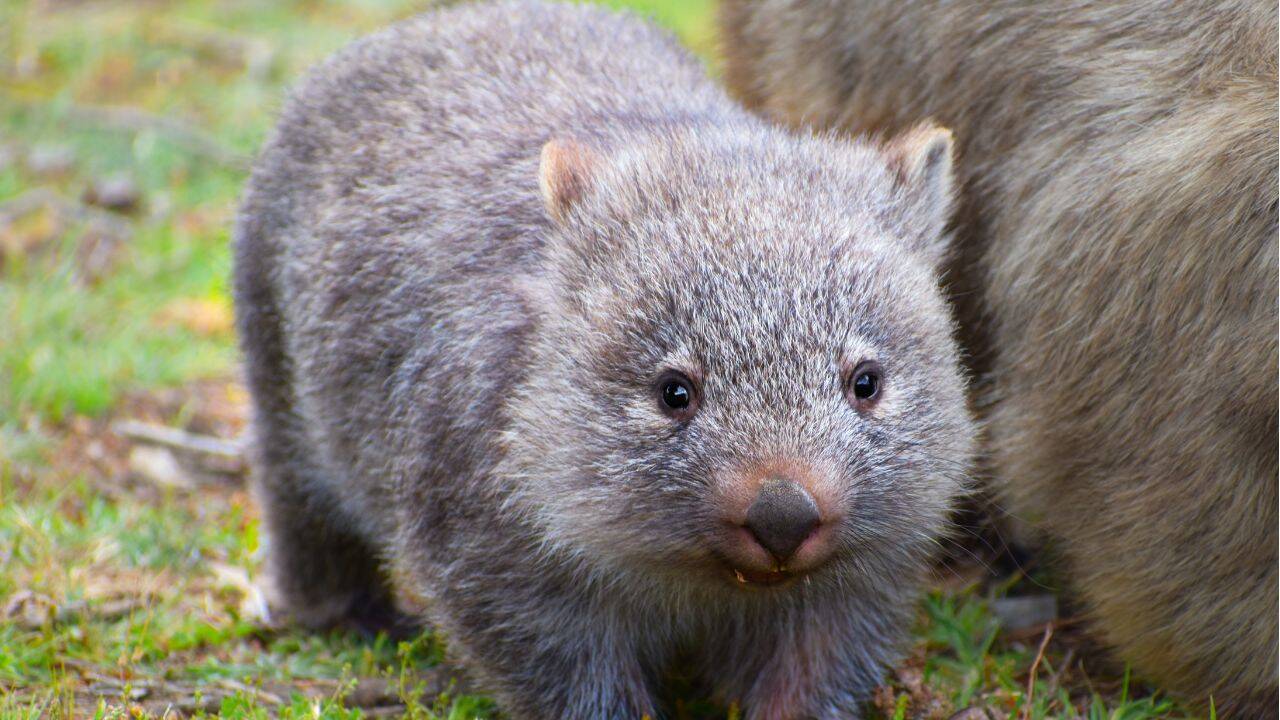
Wombat (Image Credit: Canva)
To communicate with other wombats, they rely heavily on scent marking. One of their favourite ways of doing this is by leaving droppings at prominent spots around their territory, particularly on rocks, logs and other elevated surfaces.This makes their peculiar bathroom habits particularly important. Unlike round droppings, which can easily roll down a slope or tumble off a rock, cube-shaped ones are much more stable. They can sit on uneven surfaces without immediately rolling away.Think of it as nature’s version of leaving a little noticeboard for the neighbours. Except instead of a handwritten message, it is a scented announcement saying, ‘This patch belongs to me.’According to Tasmania’s Department of Natural Resources and Environment, wombats frequently deposit their droppings on elevated objects, including rocks, fallen trees and even upright sticks. Their distinctive shape makes these territorial markers less likely to disappear.
The science behind nature’s tiny bricks
For years, scientists wondered how an animal could possibly produce something so geometrically precise. In 2021, researchers published a fascinating study titled “Intestines of non-uniform stiffness mold the corners of wombat feces”. The research finally offered an explanation for this unusual biological trick.
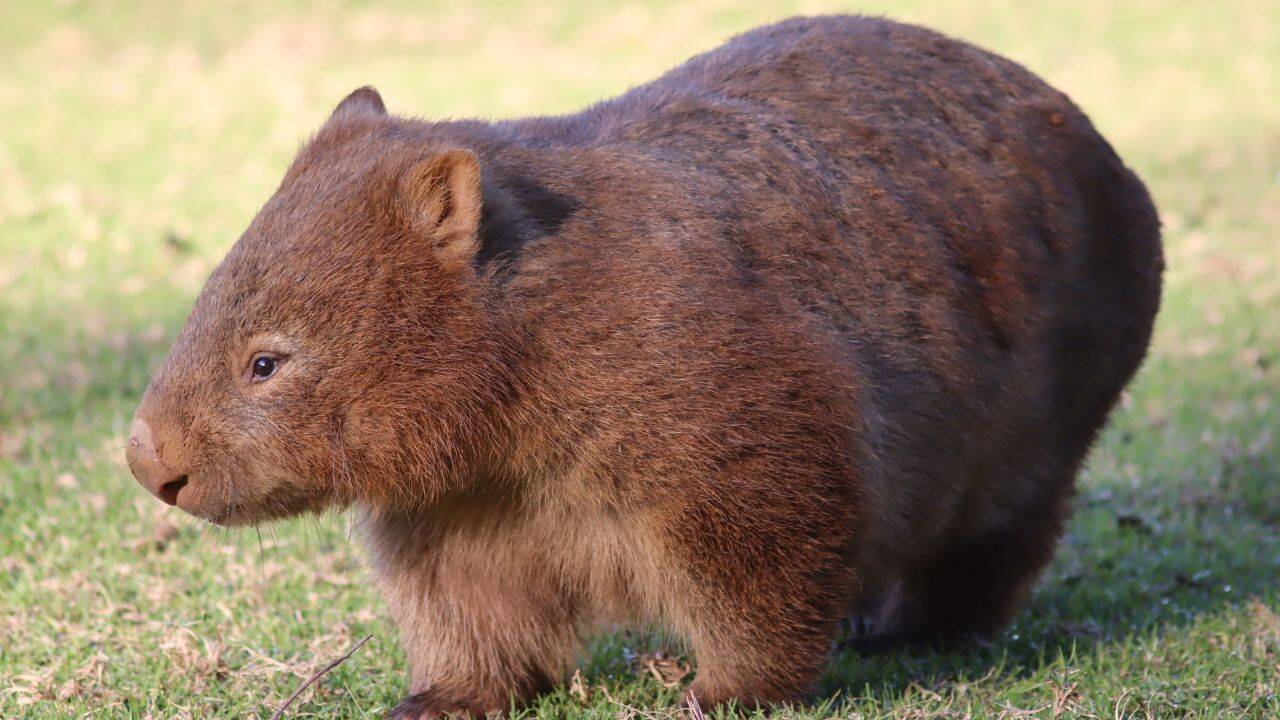
Wombat (Image Credit: Canva)
The scientists discovered that the wombat’s intestines contain regions with different levels of stiffness and flexibility. Some sections are considerably stiffer than others, allowing intestinal contractions to shape the digestive material into flat surfaces and corners as it moves along. Interestingly, the cubes begin taking shape in the final 17 per cent of the intestine. By the time the droppings are ready to leave the animal, their distinctive geometry is already in place. The process also involves the wombat’s remarkable digestive system. These marsupials take their time extracting nutrients and water from their food, resulting in unusually dry droppings that can hold their shape.
Meet the surprisingly adorable architect
Of course, there is much more to wombats than their unusual bathroom habits. These little marsupials can grow to approximately a metre in length. They weigh as much as 35 kg. Despite their chunky appearance, they are excellent diggers, since they are equipped with powerful legs, large paws and strong claws that help them excavate extensive underground burrows.Wombats are mostly nocturnal, although they can also be spotted during daylight hours, particularly in cooler conditions. They also have a pouch similar to kangaroos, except it is placed on their backs. Female wombats use their pouches to carry their young, and the pouches open towards the rear to prevent soil from entering while they dig.While their appearance might tempt you to run up to them, do not forget that wombats are wild animals. The creatures can also bite and scratch when they feel threatened, so ensure you maintain a safe distance and enjoy the sight from afar.