
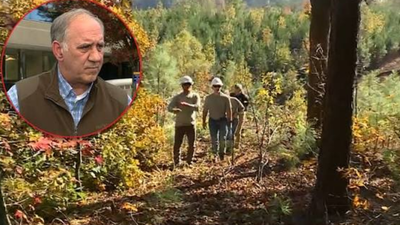
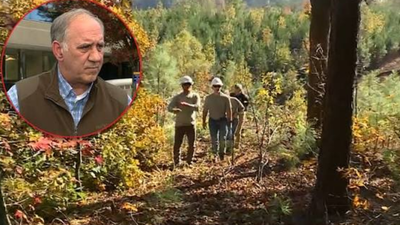
A dispute over a sprawling Alabama property has taken another turn after a judge rejected a utility company’s attempt to keep the landowner away from construction crews working on his land. Alabama Power has now taken the matter to the state’s highest court, prolonging a legal battle over a major electricity transmission project. According to reports by WVTM 13, 1819 News and Birmingham Free Press, the dispute centres on 416 acres owned by Fenn Church near Calera in Shelby County, where the company is seeking to build part of a 74-mile transmission line. The latest development came on November 10, when Shelby County Circuit Judge Jonathan Spann denied Alabama Power’s request for a temporary restraining order that would have required Church and visitors to remain at least 300 feet away from crews clearing trees on the property. The judge dismissed the case without prejudice, meaning the utility is not permanently barred from pursuing similar legal relief.Alabama Power subsequently filed a notice of appeal with the Alabama Supreme Court, seeking to challenge the decision. The company is also seeking transcripts and other court records as part of the appeal. The immediate disagreement centres on the company’s efforts to clear a construction corridor through Church’s land. Alabama Power maintains that the exclusion zone is necessary to protect the property owner, visitors and workers operating heavy machinery. Church, however, has opposed further clearing while his separate legal challenge to the easement remains unresolved.The disagreement has already resulted in several confrontations between Church and construction crews. According to earlier reporting by WVTM 13, workers had cleared hundreds of yards of the proposed corridor, including sections containing mature oak trees. Church has objected to the removal of vegetation and has repeatedly attempted to prevent crews from continuing their work.The wider dispute dates back to January 2025, when Alabama Power reportedly offered Church $80,000 for a permanent easement across his property. Subsequent offers increased to $132,000 in September 2025 and $194,000 in May 2026, according to court-related details reported by Birmingham Free Press.After negotiations failed, Alabama Power pursued eminent domain proceedings to secure the rights required for the project. On August 4, 2026, a probate court awarded Church $425,435 for the easement and access road rights. The compensation covers the utility’s right to use the designated portion of the property, not ownership of the entire land. Church challenged the award, and the separate condemnation case remains pending.The legal situation shifted again in September, when Judge Spann granted Church a preliminary injunction preventing Alabama Power from entering his property while the condemnation dispute continued. However, the Alabama Supreme Court stayed that injunction on October 21, allowing the utility to resume work. Crews returned to the property the following day.Alabama Power maintains that it has secured the necessary easement rights and that delays could jeopardise the project’s planned completion in May 2027. The Autaugaville-East Pelham 230-kilovolt transmission line is a 74-mile infrastructure project connecting the Montgomery and Birmingham areas. The company says it is needed to strengthen electricity supply for approximately three million customers across Alabama.Church has also raised the possibility of an alternative route through adjoining properties, arguing that the existing alignment would significantly affect his land and privacy. Alabama Power, however, has said that proposed alternatives were evaluated and considered unfeasible, citing additional costs, construction complications and potential delays. With the latest appeal, the dispute now has another legal chapter ahead. While Alabama Power continues to defend its right to carry out the project, Church’s challenge to the condemnation and the company’s use of his property remains unresolved.