
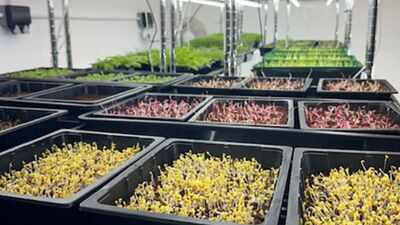
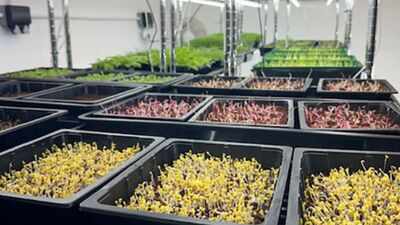
A West Wales couple turned a small investment into a profitable indoor farming business after spending less than £2,000 on shelves, seeds and trays. Toni and Alex Borella own and operate Green Up Farm, a hydroponic indoor vertical farm in Ceredigion. They started the business in 2021 after researching the market for microgreens and deciding to grow their own crops.In a 2024 interview with Swansea University, Toni Borella revealed that Green Up Farm grew more than 30 types of microgreens and micro herbs, supplying restaurants and other establishments across West Wales. Reportedly, Green Up Farm became profitable within just three months of its launch.
How did a couple start a profitable micro-herb farm with less than £2,000
Toni and Alex Borella started Green Up Farm in 2021 after researching the microgreens market. The couple had wanted to start a business and were interested in growing their own crops. They found that microgreens were a large business in the United States before deciding to take the plunge.Their initial spending was less than £2,000, used to buy shelves, seeds and trays. The farm is based in Ceredigion and uses hydroponic indoor vertical farming. Its first client was Crwst, a company in Cardigan where Alex worked at the time. Toni approached the chefs at Crwst with samples of their produce and asked which micro herbs they would like the farm to grow.
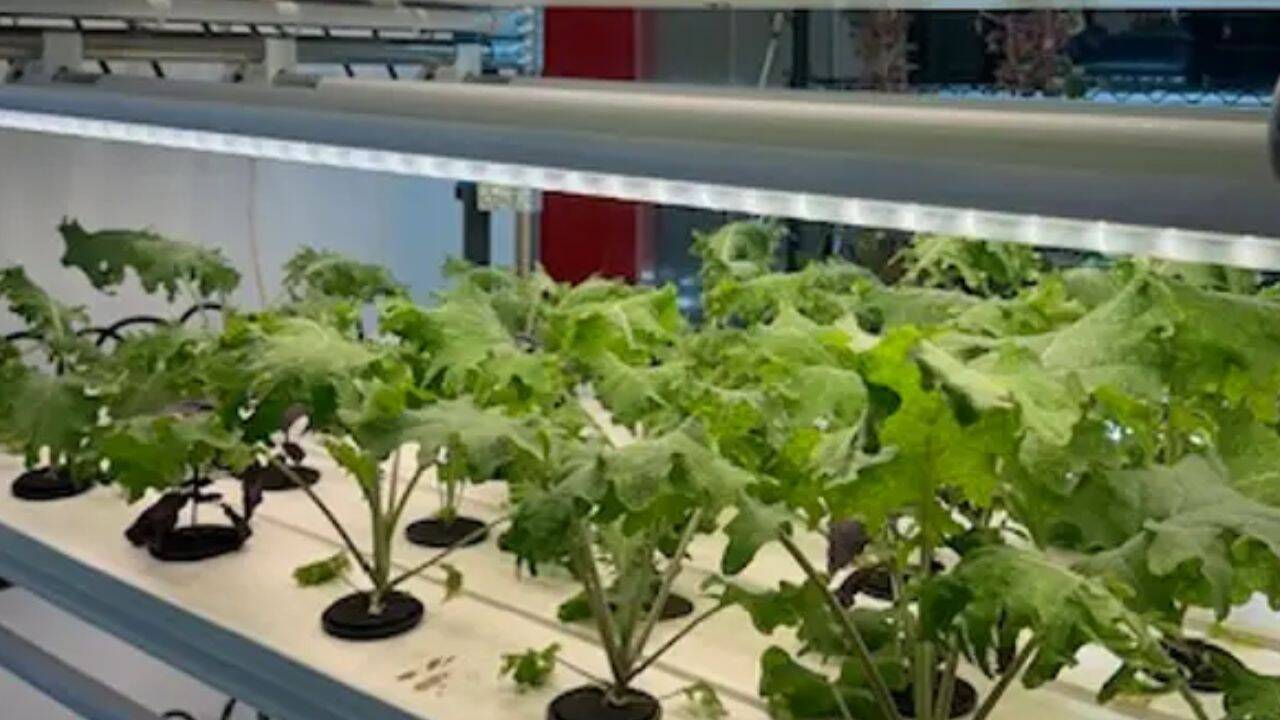
PC: Swansea University
How did live microgreens become Green Up Farm’s unique selling point
The most important feedback from chefs was that they wanted live produce. Toni said this became Green Up Farm’s unique selling point because most other growers did not sell live products.She explained that produce which was not sold live had a limited shelf life and could lose quality. The feedback led the couple to adapt their process and focus solely on selling live products.As of 2024, Green Up Farm supplied directly to most mid to high end establishments in West Wales. Its customers included The Nags Head in Abercych, Yr Hens Printworks and Boys and Girls in Cardigan. Toni said communication and consistency were key to the business, particularly when supplies changed.
Green Up Farm grew more than 30 types of microgreens and herbs
Green Up Farm sold more than 30 types of microgreens and micro herbs at the time. Its most popular varieties are pea shoots, nasturtium and coriander. The couple continues to look for different flavours, while considering whether a product adds something to a dish before taking it to market. Toni said conversations with chefs often spark trends, with one restaurant’s request sometimes leading others to ask for the same microgreen.Social media also influenced what customers want. One week they might ask for coriander and the next for fennel, making it important for the farm to keep up. The business also offered harvest boxes to local customers with small kitchens.
Green Up Farm reduced plastic waste through reusable packaging
The couple moved to Pembrokeshire in 2019 after spending more than 20 years in London. Toni said they wanted to be closer to the coastline and had happy memories of the area from her childhood. Green Up Farm’s sustainability approach included avoiding plastic waste. The farm generated only cardboard waste, while its organic waste was sent to a community garden instead of being thrown into a food bin.Customers return packaging after use, which the couple hygienically clean and reuse. Toni said many customers chose the business because of its approach.
How the ARCS partnership helped Green Up Farm explore sustainable packaging
Green Up Farm’s connection with Swansea University’s ARCS team centred on learning how to make its business more sustainable. Co-owner Toni Borella said the farm wanted a better understanding of the circular economy, particularly the use of plastics. The collaboration was expected to provide fact-checking and guidance as the business considered its choices, including plans to introduce a tray made from recycled PET (r-PET). Borella also wanted help communicating circular-economy ideas clearly to customers and social media followers. The farm already reused its packaging by collecting it from customers, cleaning it and using it again. Through the partnership, Green Up Farm hoped to assess whether new materials would genuinely improve its environmental impact while supporting sound business decisions in future.