
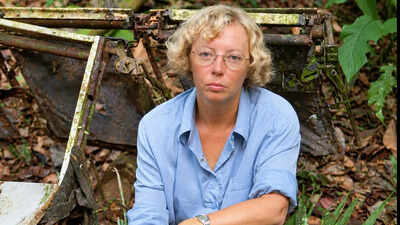
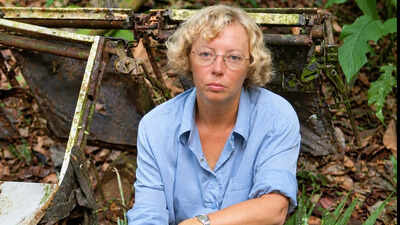
Juliane Koepcke, 71, has never struggled to recount the Christmas of 1971. She was just 17, flying home to see her father in Panguana. The passengers were already frustrated after a seven-hour delay when the aircraft encountered a violent thunderstorm over the Peruvian rainforest. Fear glistened in her eyes as she saw the lightning around the plane. Scared, she held her mother’s hand tightly. Neither of them could speak. The other passengers began to scream and weep.“After about 10 minutes, I saw a very bright light on the outer engine on the left. My mother said very calmly, ‘That is the end, it’s all over.’ Those were the last words I ever heard from her,” Koepcke recounted to the BBC, 40 years after the incident.The plane went into a nosedive, and all she could see was pitch black and the people screaming. The engine’s roar drowned out all other noises. Then the noise stopped, and she was out in the sky, in a free fall, still strapped to her seat. Juliane plunged thousands of metres towards the jungle as LANSA Flight 508 broke apart in mid-air. The last thing she could remember was the whispering of the wind. She felt completely alone. Then nothing. She lost consciousness. She woke up the next day, all alone, and all she could think was, “I survived an air crash.” For the next 10 days, she wandered through the rainforest before being rescued on the eleventh day. She was the only one of the 92 people aboard to walk out of the jungle alive.
Waking up in the jungle
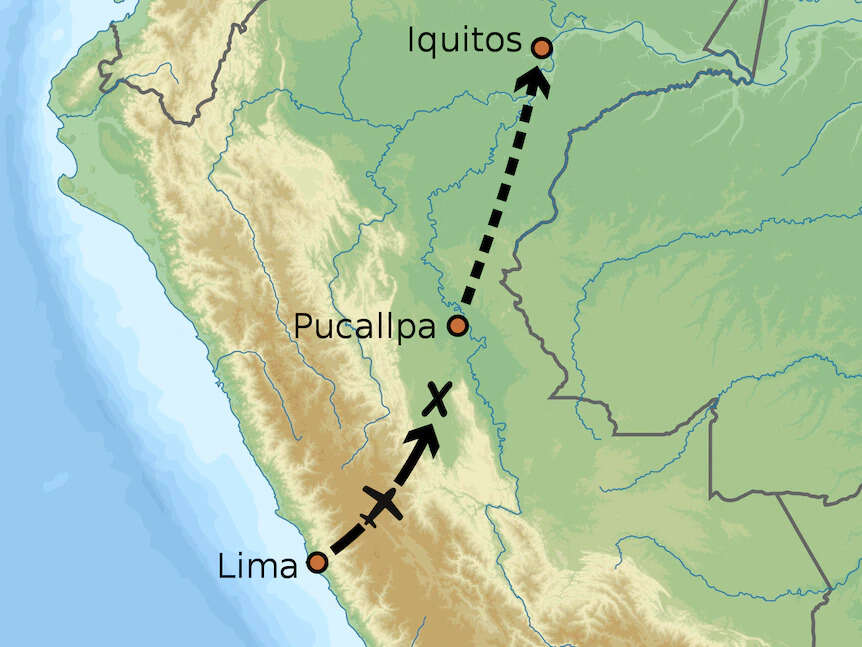
When she woke the next morning, Koepcke called out desperately for her mother, but there was no response. She was completely alone. Recalling the moments before the crash, she remembered that her mother had grown anxious as the plane entered the heavy clouds. The violent turbulence that followed had made her even more nervous.Before she could gather her thoughts, Koepcke became aware of her injuries. She had a broken collarbone and deep cuts on her legs. She had also lost her glasses and one of her sandals, and she was wearing a sleeveless mini-dress. She had a ruptured ligament in her knee. “My injuries weren’t serious, so I could still walk.”
Wandering in the rainforest for 10 days
Born to German parents in 1954, Juliane Koepcke was raised in the Peruvian jungle, ABC reported. Her father, Hans-Wilhelm Koepcke, was a renowned zoologist, and her mother, Maria Koepcke, was a scientist who studied tropical birds. They had a biological research station called Panguana in the rainforest. Having grown up on the station as a ‘jungle child’, she knew how to survive.“Before the crash, I had spent a year and a half with my parents at their research station, only 30 miles away. I learned a lot about life in the rainforest, and that it wasn’t too dangerous. It’s not the green hell that the world always thinks,” she told the British broadcaster.She knew she had to survive alone. So she found a creek and stuck to the water. The only food she had was a bag of sweets from the wreckage, and they didn’t last. She knew the things she had to avoid: snakes camouflaged as dry leaves and the changing weather. She also heard planes overhead searching for the wreckage. But unfortunately, they couldn’t see her through the dense canopy.On the fourth day, she heard a king vulture land nearby. She knew they came down only for carrion. Around a bend in the water, she found a bench seat with three passengers jammed headfirst into the mud. It was her first time seeing a corpse. As a 17-year-old, it wasn’t easy for her. Her first thought was that one of them was her mother. “But when I touched the corpse with a stick, I saw that the woman’s toenails were painted. My mother never polished her nails. I was immediately relieved but then felt ashamed of that thought,” she told the broadcaster.
Day 10: Maggots appeared in her wound\
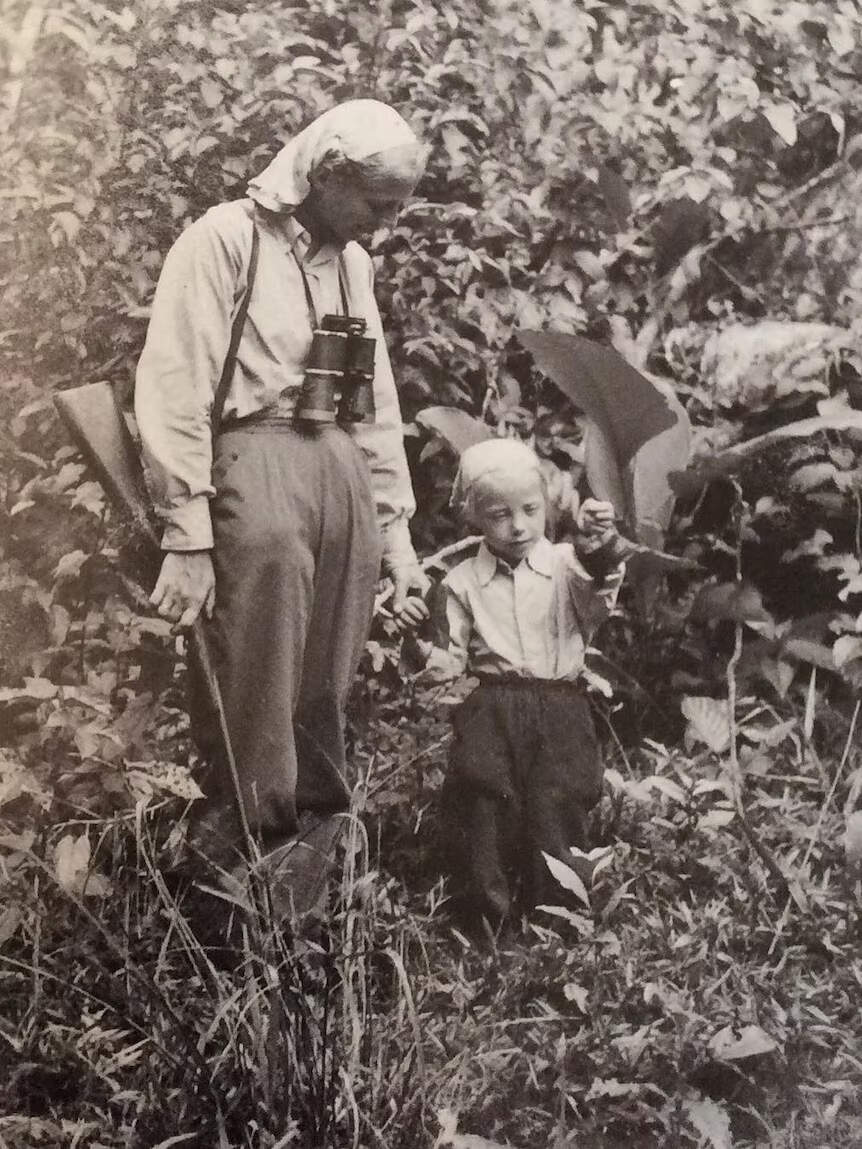
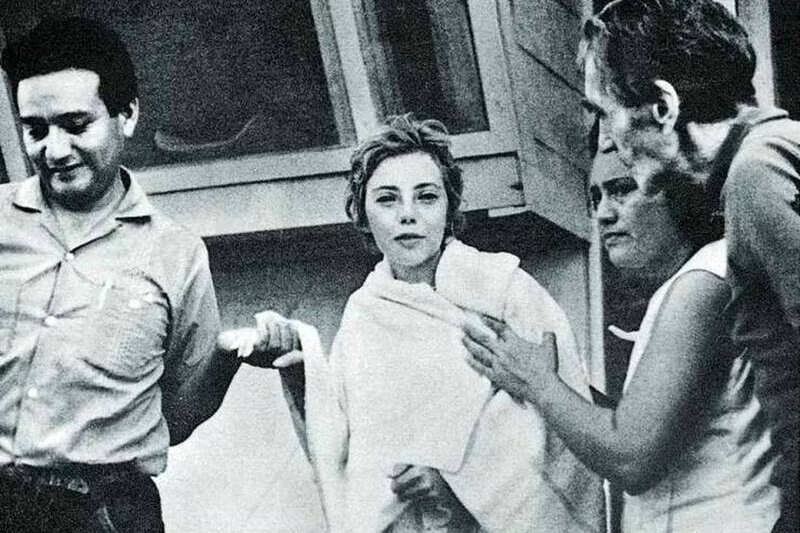
By the tenth day, she could barely stand. She drifted along a larger river until she saw what looked like a big boat, and she thought she was hallucinating. But it was real. Up a small path, she found a hut with a palm-leaf roof, an outboard motor and a litre of petrol.By then, the wound on her upper right arm was infested with maggots. It was about one centimetre long. That was when her childhood memories came to her aid. “I remembered our dog had the same infection, and my father had put kerosene in it, so I sucked the petrol out and put it into the wound. The pain was intense as the maggots tried to get further into the wound. I pulled out about 30 maggots and was very proud of myself.”She spent the night there. The next morning, she heard men’s voices outside. “It was like hearing the voices of angels,” she recalled. When they saw her, they froze. They took her for a water goddess from local legend. She spoke to them in Spanish, explained what had happened, and they took her back to civilisation.Ninety-two people were on the plane: 86 passengers and six crew members, according to the Aviation Safety Network. Ninety-one died. Up to 14 of those who survived the impact died while waiting for rescue, and Juliane’s mother was among them. Juliane was the only one found alive who was able to walk out of the jungle.
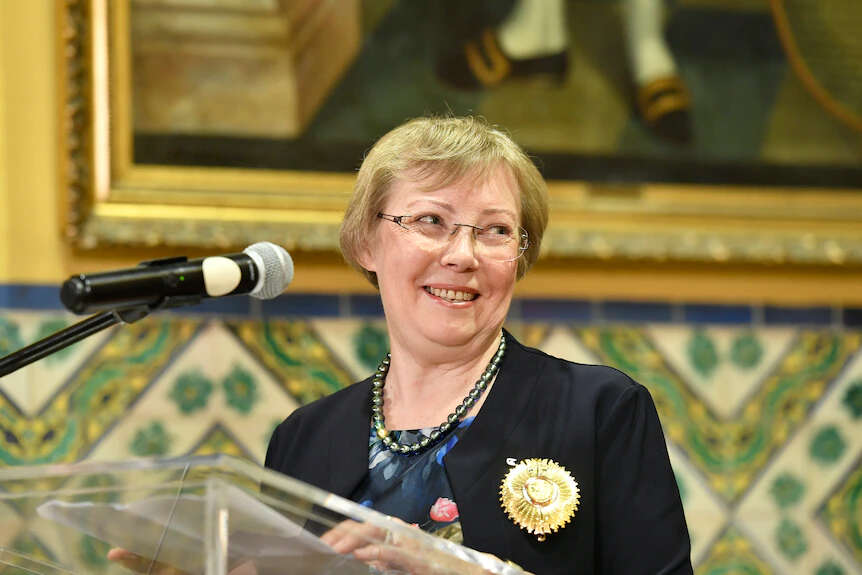
The day after the rescue, she was reunited with her father. He could barely speak. Searchers recovered her mother’s body on 12 January. She later learned that her mother had also survived the initial crash but was so badly injured that she died several days later. Now 71, Koepcke is a biologist. She sees the world just as her parents did. And every detail of Christmas Eve 1971 remains vivid.