
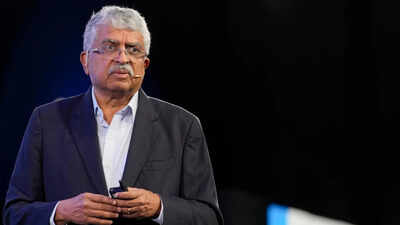
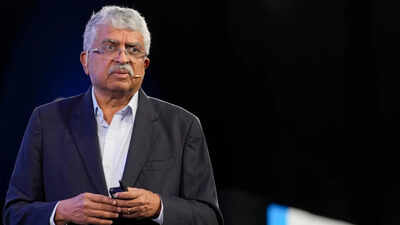
NEW DELHI: Centre has extended the tenure of the Nandan Nilekani-led task force on examination reforms till Jan 2027, with the prime minister’s office (PMO) seeking consultations with chief ministers and chief secretaries before the panel finalises its recommendations, TOI has learnt from govt officials. During consultations, some stakeholders and experts have also suggested a hybrid format for NEET-UG 2027, allowing time to expand infrastructure for a complete shift to computer-based testing (CBT) in 2028.A govt official said the PMO wants the task force, earlier expected to submit its report by Oct-end, to seek views from state leadership on challenges particular to different regions. The aim, the source said, is to better understand disparities in testing infrastructure, connectivity and administrative preparedness, and reflect these state-specific concerns in a more comprehensive examination reform roadmap.Another proposal likely to feature in the task force’s recommendations is a nationwide network of CBT centres developed by Centre and state govts with private investment, sources said. Such a model could expand govt oversight of testing facilities while mobilising private capital to build infrastructure, particularly in districts that lack secure, adequately equipped centres. The funding, ownership and operating arrangements would need to be worked out. Such centres could support common security standards, reliable connectivity and better access for candidates outside metros.TOI had earlier reported that the task force is prioritising “debundling” examination responsibilities. Under the proposed restructuring, question-paper setting, conduct of exams, management of test centres and security would be assigned to separate agencies instead of being concentrated with a single operator.The objective is to create clearer lines of accountability and limit the risk of a lapse in one part of the examination process affecting the entire exercise. The approach would, however, require coordination between the agencies handling different stages.
Share your thoughts in the comments
Be respectful · TOI community guidelines
The panel is also considering exam centres in every district and a common calendar for National Testing Agency (NTA), Staff Selection Commission (SSC), Institute of Banking Personnel Selection (IBPS) and Railway Recruitment Boards (RRBs). Coordinated schedules could help students and job applicants avoid exam-date clashes and allow testing infrastructure to be used more efficiently.The six-member task force was constituted in July following the NEET-UG 2026 controversy, which led to the cancellation of the original exam and a retest. It has held 18 internal meetings and around 40 consultations, in addition to seeking public suggestions.An Oct parliamentary committee report also recommended secure govt-controlled testing centres across districts and a phased transition to CBT for NEET-UG. The extension gives the task force more time to assess the feasibility of its proposals with states.