


If you live with Psoriasis, you know it’s about more than skin. It can shape how you feel when you get dressed in the morning, how well you sleep at night, and how comfortable you feel around other people. You’re not alone. Millions of people around the world manage this condition, and with the right care, many lead full, comfortable lives*.What’s really happening in your skinPsoriasis is a long-term condition that starts with the immune system. Normally, skin cells grow and shed over several weeks. With Psoriasis, an overactive immune response speeds this process up, and new cells pile up on the surface before old ones have had a chance to fall away. The result is raised patches of skin.Why does it happen?The honest answer is that researchers are still piecing it together. Genetics and the immune system both play a big part, so if a parent or sibling has Psoriasis, your chances may be higher*. Certain things can also set off a flare or make one worse.Why long-term treatment mattersAlthough Psoriasis cannot currently be cured, appropriate treatment can help control symptoms and reduce flare-ups*. Following the dermatologist’s advice, attending regular check-ups and continuing prescribed treatment are important, even when the skin starts looking better. Stopping treatment without medical guidance may allow symptoms to return.Understanding advanced treatment optionsThere are various treatment options available for Psoriasis, depending on the severity of the condition and the individual’s needs. For people with moderate-to-severe Psoriasis, biologics may be a suitable option*. These advanced medicines target specific parts of the immune system responsible for inflammation, helping reduce symptoms and improve skin clearance*. Biologics such as IL-23 inhibitors can offer sustained disease control with convenient dosing schedules, as some treatments require injections only at intervals of several weeks or months*. Biologics are not a last-resort treatment; they can be considered as an appropriate treatment option based on disease severity, individual needs and a dermatologist’s assessment*.Let us understand Psoriasis, its treatment and its impact on everyday life with insights from leading dermatology specialists.

Dr. S G ParasramaniSenior Consultant Dermatologist, Anisha Clinic, MumbaiPsoriasis is a long-term condition that affects the skin because the immune system mistakenly becomes overactive. This causes skin cells to grow too quickly, leading to raised, red or dark patches covered with dry, silvery scales. These patches commonly appear on the scalp, elbows, knees and lower back. Family history can increase the chances of developing Psoriasis, while infections, stress, certain medicines, smoking and skin injuries may worsen symptoms. For people with moderate-to-severe Psoriasis, advanced treatments such as biologics can help control the condition by targeting specific parts of the immune system. Psoriasis is not contagious and cannot spread through touching someone or sharing everyday spaces. Understanding the condition helps reduce stigma and encourages people to seek medical advice and start appropriate treatment early.”Dr. B. S. ChandrashekarChief Dermatologist and Managing Director, CUTIS Academy of Cutaneous Sciences, Bengaluru“Psoriasis is a chronic inflammatory condition driven by an overactive immune system. It causes scaly patches, commonly on the scalp, elbows and knees. It is not contagious or caused by poor hygiene. Beyond visible skin, itching and social stigma can affect confidence, relationships and work. Some patients develop joint inflammation; persistent joint pain, swelling or morning stiffness needs prompt assessment. Associated obesity, diabetes and cardiovascular risks also deserve attention. Although there is no permanent cure, effective treatment can help people lead fulfilling lives. Options include creams, phototherapy, oral medicines and biologics. IL-23 inhibitors, including tildrakizumab, target a specific inflammatory pathway and can provide sustained skin clearance in suitable patients with moderate-to-severe Psoriasis*. The goal is clearer skin, healthier joints and better quality of life.”Dr. Sharad MutalikConsultant Dermatologist, Joshi Hospital, Pune“Living with Psoriasis can significantly affect a person’s quality of life. Although several treatment options are available to manage the condition, each has certain limitations. Recent development of new targeted molecules like biologics offer an advanced approach for treating moderate to severe Psoriasis. These new molecules like IL-23 and IL-17 inhibitors have proved to be effective in achieving disease-free skin with sustained symptom control. Many new biologics offer convenient dosing schedules with good safety profile. Consult your dermatologist to understand their benefits and suitability for your Psoriasis.”
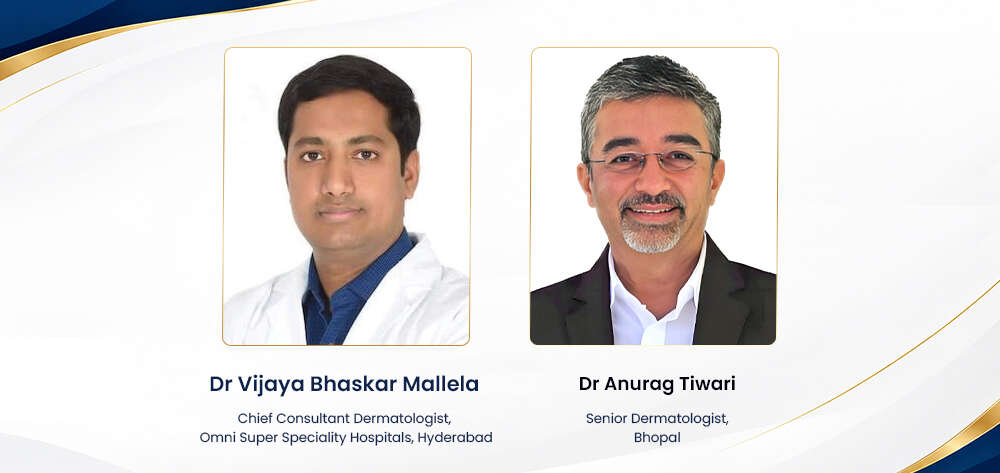
Dr. Vijaya Bhaskar Mallela, Chief Consultant Dermatologist, Omni Super Speciality Hospitals, Hyderabad, said,“There is no single treatment for everyone with Psoriasis. The right treatment depends on severity, affected areas and overall health. Mild Psoriasis may need creams, while others require light therapy or oral medicines. Moderate to severe cases may benefit from biologics. IL-23 inhibitors target a specific immune protein involved in Psoriasis, reducing inflammation, improving skin clearance and providing long-lasting symptom control. Depending on the medicine, injections may be needed only every few weeks or months. A dermatologist can decide whether this treatment is suitable. Before starting treatment, screening for certain infections may be needed. Regular follow-ups monitor progress and support safe, effective treatment.”Dr. Anurag Tiwari, Senior Dermatologist, Bhopal, “Psoriasis affects more than just the skin, as visible lesions, itching, scaling, and inflammation can take an emotional toll, leading to embarrassment, social stigma, anxiety, and depression. Open communication with healthcare professionals helps address emotional concerns, encourage treatment adherence, and support holistic care. Advances such as IL-23 inhibitors have transformed moderate-to-severe Psoriasis management by targeting inflammatory proteins, reducing redness, itching, and scaling, achieving clearer skin, and maintaining long-term symptom control. Improved skin condition may also restore confidence and enhance quality of life. Effective management addresses both physical symptoms and emotional well-being. Consult a dermatologist to explore treatment options and determine whether biologic therapy suits your individual needs.”This World Psoriasis Day, let us encourage patients to seek timely medical care, never lose hope, and understand that they do not have to live with uncontrolled Psoriasis. Together, let us move beyond the skin, break the stigma, and make clear skin and a better quality of life achievable goals for every patient.References:*World Health Organization (WHO). Global Report on Psoriasis. Geneva: World Health Organization; 2016.*Griffiths CEM, Armstrong AW, Gudjonsson JE, Barker JNWN. Psoriasis. Lancet. 2021;397(10281):1301–1315.*Menter A, Strober BE, Kaplan DH, et al. Joint AAD–NPF guidelines of care for the management and treatment of psoriasis with biologics. J Am Acad Dermatol. 2019;80(4):1029–1072.*Reich K, Papp KA, Blauvelt A, et al. Tildrakizumab versus placebo or etanercept for chronic plaque psoriasis (reSURFACE 1 and reSURFACE 2): results from two randomised controlled, phase 3 trials. Lancet. 2017;390(10091):276–288.*Menter A, Strober BE, Kaplan DH, et al. Joint AAD-NPF guidelines of care for the management and treatment of psoriasis with biologics. J Am Acad Dermatol. 2019;80(4):1029–1072.*Smith CH, Yiu ZZN, Bale T, et al. British Association of Dermatologists guidelines for biologic therapy for psoriasis 2020: a rapid update. Br J Dermatol. 2020;183(4):628–637.*Jankowiak B, Kowalewska B, Krajewska-Kułak E, et al. Stigmatization and Quality of Life in Patients with Psoriasis. Dermatol Ther (Heidelb). 2020;10:285–296. doi:10.1007/s13555-020-00363-1.Note: Issued in public interest by Sun Pharma. Please consult your registered medical practitioner for information or guidance or any questions related to the topic. The views and opinions of registered medical practitioners expressed in this article do not reflect the opinions of Sun Pharma.Disclaimer: The views/suggestions/opinions expressed in the article are the sole responsibility of the experts and the brand concerned. This should not be considered a substitute for medical advice. Please consult your treating physician for more details. This article has been produced on behalf of Sun Pharma by Times Internet’s Spotlight team.