
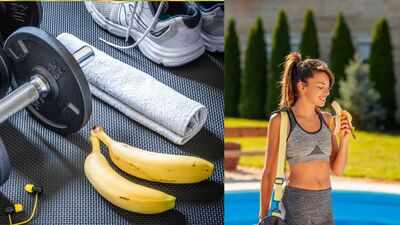
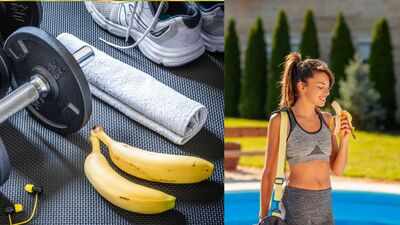
Are you someone who is always looking for something to eat before you hit the gym and bananas are the only option to go for? Then you must sit back and read on! Well, consuming a banana before physical activity alters metabolic preparation, muscle function, and post-workout recovery. Far from being a simple natural snack, bananas provide a precise combination of rapidly digestible carbohydrates, essential electrolytes, and bioactive compounds that directly interact with physical exercise demands. Here’s all you need to know about it…All about carbs and absorptionsAs per a study by Appalachian State University Human Performance Laboratory, it was mentioned that during high-intensity training, muscles depend heavily on available glucose for energy. A medium banana contains roughly 27 grams of carbohydrates, comprising sucrose, glucose, and fructose. This specific natural sugar mix gives an advantage when it comes to how the cells take in the sugar. Glucose gets into the cells in the intestines using a transport system called the sodium-glucose cotransporter 1 or SGLT1. Fructose uses a system called GLUT5. Because these sugar molecules use paths to get into the body, the body can take in and release energy more smoothly than if it was only getting one type of sugar. The ripeness of the fruit affects how fast the energy is taken in. A banana that is ripe and has spots has mostly simple sugars that break down quickly. This kind of banana gives energy that’s easy to use when eaten 30 to 45 minutes before working out. On the other hand, a greener banana is more resistant. starch. This kind of starch takes longer to break down. This can cause digestive problems if eaten too close to when someone is exercising.Bananas vs sports drinksThe physiological impact of bananas on exercise performance was examined in landmark studies conducted by Dr. David Nieman at the Appalachian State University Human Performance Laboratory. Researchers further evaluated trained cyclists undergoing intense, long-distance trials while consuming either bananas or a 6 percent carbohydrate sports beverage. The data published in PLOS ONE demonstrated that bananas provided equal support to athletic performance, blood glucose levels, and perceived exertion compared to manufactured sports drinks.Beyond equal performance energy, bananas altered post-exercise recovery markers. Cyclists consuming bananas showed significant reductions in COX-2 mRNA expression, a key genetic driver of systemic inflammation, along with improved cellular antioxidant capacity compared to those drinking standard sugar solutions. Balance and neuromuscular functionPotassium is the main salt inside cells that helps nerve signals travel and keeps cell fluids balanced. One banana gives about 422 milligrams of potassium, which is about 10 percent of what a person needs each day.When you exercise hard, potassium quickly moves from muscle cells into the blood. This can make muscles tired. Increase the chance of cramps during long workouts. Eating potassium before exercise keeps blood levels steady while you work out. It helps keep cells in the state and lets muscles contract in the right order. Bananas give vitamin B6 called pyridoxine, and provide more than 20 percent of the daily amount a person should take. Vitamin B6 works as a helper for the enzyme glycogen phosphorylase, which breaks down stored muscle glycogen into energy during effort.Optimizing workout timingTo get the best benefit and stay comfortable, eat a fully yellow ripe banana about 30 to 60 minutes before you exercise. This window lets the stomach finish emptying while preventing a drop in blood sugar that can happen when insulin kicks in at the start of training. Adding a cup of coffee gives caffeine that can boost endurance, and it does not slow digestion. Do not add heavy fats or very dense protein right before you exercise because a lot of fat slows stomach emptying and takes away from the fast carbs the banana provides.Post-workout shiftEating a banana after you work out changes its job from giving energy to helping cells recover quickly. After work muscle cells become more sensitive to insulin. This lets them pull glucose from the blood fast and refill their glycogen stores. The natural sugars in bananas such as sucrose, glucose, and fructose, can cause a rise in insulin that acts like a gatekeeper pushing glucose straight into muscle tissues for quick rebuilding. Also, if you eat a banana with a protein source after exercise, the two work together. The bananas’ antioxidants and natural dopamine help lower muscle soreness and inflammation, while the amino acids from protein fix tissue damage.