
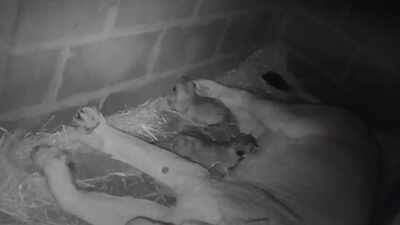
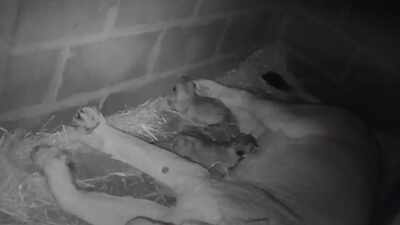
Imagine waiting for nearly a decade for something, and finally landing two of them!After seven years of waiting, Edinburgh Zoo finally has something exciting to celebrate: two brand new Asiatic lion cubs. These little arrivals aren’t just adorable; they have a much bigger meaning. Their birth on October 11, 2026, marks not only a rare event for the zoo but also highlights how vital conservation efforts are for one of the planet’s most endangered big cats. Their mother, Bindee, is a first-time parent, and their father, Jayendra, or Jay, as the keepers call him, seems to be taking everything in stride.
What happened?
Word got out about the cubs on October 22, when the Royal Zoological Society of Scotland (RZSS), which runs Edinburgh Zoo, made the big announcement. Keepers had a front-row seat thanks to cameras in the lions’ den; they watched the births unfold and have been keeping a close eye on Bindee and her cubs ever since. At the moment, the zoo is keeping the family out of sight of visitors so that Bindee can bond with her new babies in peace. They’ve closed the lion habitat for now and promised to keep everyone updated about when things might reopen.It’s especially meaningful because the last time lion cubs were born at Edinburgh Zoo was in 2019, so there’s been quite a wait. The fresh arrivals aren’t just a win for the zoo; they’re a way to shine a spotlight on the real challenges facing Asiatic lions. In the wild, these cats hang on in just one small patch of India.As reported by the Edinburgh News, RZSS’s animal team leader, Alison MacLean, sounded genuinely delighted when talking about Bindee’s excellent care of her cubs. As for Jay, he’s apparently as laid-back as ever. But right now, the zoo’s staff care most about the health of the cubs, and the first few months are crucial. The family will stay mostly tucked away, with Bindee doing the heavy lifting as a new mom, and keepers watching quietly from behind the scenes.
Meet Bindee and Jay : The lion parents with a story
Who are the proud parents, you ask? Bindee, ten years old, came to Edinburgh Zoo in 2024 from France, while Jay, fifteen, arrived in 2012 from Bristol Zoo, having been born in 2010. The keepers started guessing Bindee might be pregnant when they noticed her belly grow and her movements slow down. She became even more suspicious when she started changing up her den, pacing and prepping for her new arrivals.This birth is big news, especially since it’s Bindee’s first litter. Thanks to those cameras, zookeepers got to watch the birth unfold without interrupting Bindee’s natural instincts. The zoo says she’s doing well and bonding nicely with her cubs, much like any wild lioness would.Right now, the cubs are just getting used to life inside their den, and they’re not quite ready to meet the world. It’ll likely be several months before visitors get their first glimpse. As for their names? No update on that yet. The zoo is keeping everything under wraps, putting the little lions’ well-being above all else. The lion habitat stays closed while the animal-care team waits for just the right moment.
Why the birth matters: The plight of Asiatic lions
Now, about the significance of these cubs, it goes way beyond Edinburgh. Asiatic lions, known scientifically as Panthera leo persica, have been nearly wiped out by hunting and the destruction of their habitat. In the past, they roamed across western and southern Asia. Today, their last wild survivors stick to a single region: the Gir forest and its surrounding areas in Gujarat, India.That’s exactly why there’s a glimmer of hope in this story.As shared by PIB (Press Information Bureau), in India’s 2025 count, officials recorded 891 lions, up from 674 just five years prior. That’s a 32% jump, and the numbers include cubs, subadults, and adults scattered across the lion landscape, even outside the main protected area. But a bigger population doesn’t mean the species is safe. When a species lives in just one area, it’s super vulnerable. Disease, disasters, and even accidents can threaten the whole group at once. Meanwhile, lions that wander outside the protected zone face dangers from roads, trains, and clashes with people and livestock.So, they’re still in trouble. The International Union for Conservation of Nature lists the Asiatic lion as endangered. Protecting their habitat, providing veterinary care, monitoring populations, and finding ways to reduce human-lion conflict — all of this is essential if these lions have a chance at a future.
How Edinburgh Zoo fits into the bigger picture
Edinburgh Zoo doesn’t just display lions; it plays a real part in conservation. The RZSS runs the place and takes part in the European Endangered Species Programme for Asiatic lions. The programme tries to keep the population healthy and genetically diverse inside zoos, while boosting awareness, funding research, and supporting lions in the wild. So, these two new cubs are a lot more than just cute faces; they matter to the survival of the entire species, whether in zoos or back home in India.The birth also gives Edinburgh Zoo a chance to teach visitors about wildlife conservation, showing how the lives of animals in captivity really connect to the challenges their wild cousins face. Sure, breeding in zoos can’t replace wild populations, but it helps keep genetic diversity, fosters research, and grabs people’s attention, which is half the battle when it comes to saving endangered creatures.For now, Bindee and her cubs are hunkered down out of sight, slowly growing and getting stronger before their big debut. After so many years without lion cubs, the zoo’s staff are thrilled. It’s a feel-good moment, and a reminder that every new cub matters when a species is fighting for survival.