
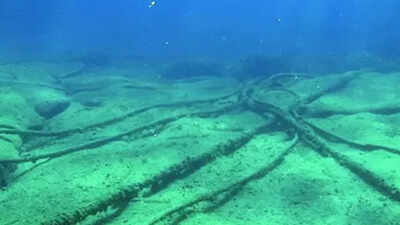
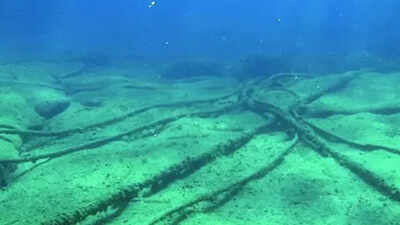
Iran has drawn up detailed plans to target undersea communication cables in the Gulf if the United States and Israel launch fresh attacks, news agency Reuters reported citing two senior Iranian security officials. This has raised the prospect of disruptions to internet services, financial transactions and cloud computing after disruptions at Strait of Hormuz sent oil supply shocks globally.The officials gave few details about how or where Iran might carry out such attacks. However, one said Tehran would seek to prevent repairs to damaged cables to prolong disruptions, including to internet connections.“If Iran is attacked, there will be no more red lines … from undersea cables to military bases, including covert ones,” Reuters quoted one of the officials saying.The official warned Washington not to “play with fire”, adding that Iran had full access to the undersea cables and could easily destroy them.Yadollah Javani, deputy head of political affairs for Iran’s Islamic Revolutionary Guard Corps (IRGC), said on Wednesday that Iran could target seven major internet cables beneath the Strait of Hormuz if Iranian infrastructure came under attack.
What could be the impact
Undersea cables carry around 99% of global internet traffic, according to the International Telecommunication Union. However, the global impact of any attacks in the Strait of Hormuz could be limited, as less than 1% of international bandwidth passes through the waterway, said Alan Mauldin, research director at telecommunications research firm TeleGeography, the Reuters report said.The strait lies between Iran and Oman and connects the Gulf with the Gulf of Oman and the Arabian Sea.Multiple cable cuts could slow internet services and disrupt financial transactions, e-commerce and cloud computing. The extent of the disruption would depend on how quickly operators could reroute traffic and whether alternative connections had enough capacity.Repairs could also prove difficult during a war, with higher insurance costs and delays in obtaining permission to enter territorial waters potentially slowing the process.The Red Sea could be a more significant target because it carries data between Europe, East Africa and Asia. Capacity routed through the region accounts for about 3% of global international demand and around 10% of traffic travelling between regions, Mauldin said.Iran could potentially have support from its Houthi allies in Yemen, although Tehran has made no public statement indicating plans to target cables in the Red Sea.Iran has already struck two Amazon Web Services facilities in the United Arab Emirates in March and damaged infrastructure near one of its facilities in Bahrain.