
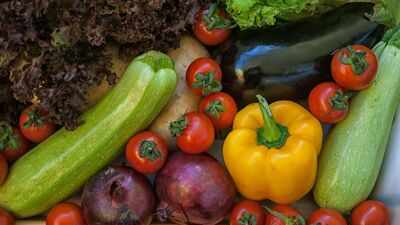
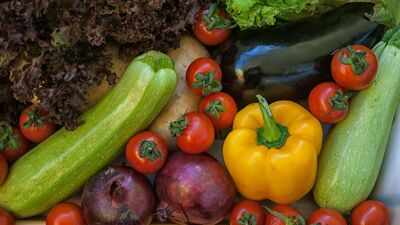
Do you also feel that, despite all your efforts, fresh produce like veggies, herbs, and leafy greens often go bad very quickly? Then you need to read this! There’s no denying that properly storing your fresh produce can feel like a constant battle against spoilage, wilting, and mold. Every vegetable thrives under different environmental conditions, meaning that tossing everything straight into the crisper drawer often leads to wasted food and money. By understanding the simple biology behind how different vegetables age, you can easily double or triple their shelf life using simple kitchen hacks. Here’s all you need to know and try to save your fresh purchase!Leafy GreensSpinach, kale, arugula, and lettuce spoil quickly due to excess moisture trapped in their packaging. To keep them crisp and vibrant for up to two weeks, wash them thoroughly, thoroughly dry them using a salad spinner, and wrap them loosely in paper towels. The paper towels absorb excess moisture while keeping humidity high enough to prevent wilting. Store the wrapped greens in an airtight container or a sealed zip-top bag in the main section of your refrigerator.Root VegetablesPotatoes, onions and garlic must be kept in dark, cool and dry places to stop them from sprouting too early or rotting. Do not put potatoes or onions in the fridge because cold turns potato starch into sugar and makes onions soft and soggy.Keep them in open baskets, mesh bags, or paper bags in a cool pantry. Most importantly, store potatoes and onions in separate locations; onions release ethylene gas, which causes nearby potatoes to sprout much faster.Carrots and RadishesRoot crops like carrots, radishes, and beets lose their crisp texture when exposed to dry air. Remove any green tops immediately after buying them, as those leafy tops continuously pull moisture out of the roots. Place the trimmed roots in a container filled with clean water, submerge them completely, and store the container in the fridge. Changing the water every few days keeps carrots and radishes firm and crunchy for up to a month.TomatoesRefrigerating fresh tomatoes ruins their flavor and texture. Temperatures below 50°F (10°C) break down the chemical compounds that give tomatoes their rich flavor, while turning their flesh mealy and soft. Store unwashed tomatoes stem-side down on your kitchen counter at room temperature, away from direct sunlight. Stem-side down placement prevents air from entering through the stem scar and slows down moisture loss.Cruciferous VeggiesBroccoli, cauliflower, and cabbage thrive in high humidity with gentle air circulation. Wrap unwashed heads of broccoli or cauliflower loosely in damp paper towels, or place them inside perforated plastic bags in your refrigerator’s crisper drawer. Avoid sealing them tightly in non-breathable plastic, which traps moisture against the florets and encourages black mold to grow. Stored this way, cruciferous vegetables stay fresh for one to two weeks.Fresh HerbsTreat soft, tender herbs like cilantro, parsley, and mint just like fresh flowers. Trim the bottom ends of their stems and stand them upright in a jar containing an inch or two of fresh water. Cover the tops loosely with a plastic bag and keep them in the fridge. For hard, woody herbs like rosemary, thyme, and oregano, wrap them gently in damp paper towels, place them in a sealed container, and keep them in the cold section of your refrigerator.