
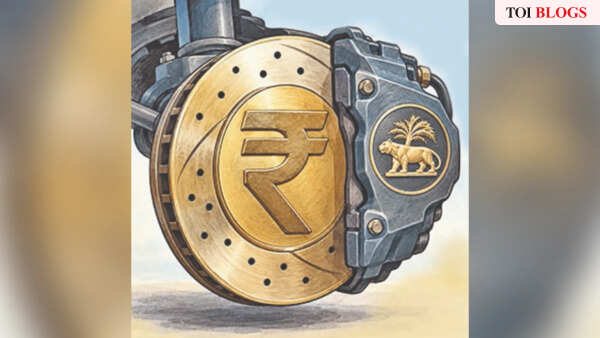
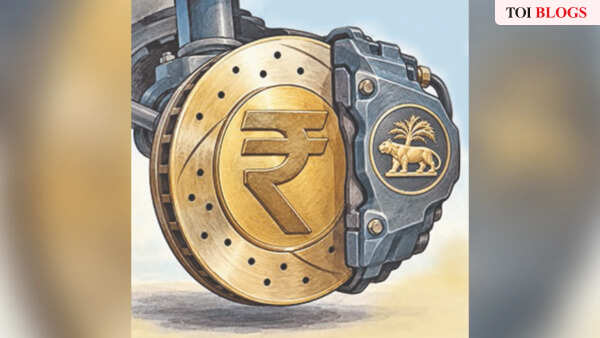
Wednesday’s rate hike was necessary, and widely expected. Inflation has been inching up since the start of Iran war, and has averaged above RBI’s target of 4% for the past three months. In fact, RBI sees it touching the upper tolerance limit of 6% in the festive quarter that’s just started, before dipping slightly to 5.7% in Jan-March. War isn’t the only reason for high prices. While it’s made fuel costlier, a weak monsoon is likely to affect crop yields and food prices in the months ahead. That’s why a gentle tap on the brakes was necessary.A 25bps hike, taking the repo rate to 5.5%, is just that – a gentle tap. Yes, it will increase EMIs slightly. Home loans, especially, could cost a few hundred to a few thousand rupees more every month. But nobody expects demand to wilt under a 25bps increase. The momentum built up before the festive season should continue. Which raises the question, what does this hike achieve? Three things mainly. One, it tests demand response. Two, it’s a warning shot. Three, it protects rupee by narrowing the interest rate differential with foreign markets, and dissuading foreign investors from pulling out.If demand, and inflation, remain high, RBI can implement another hike in a few months. Many analysts expect one in Dec, and some see one more by Feb. But if inflation moderates, RBI can wait and watch. That’s why it has described this intervention as “calibrated tightening”. In RBI guv’s words, it’s “more data-dependent than pre-determined”. And we, consumers, should understand what it means: RBI has made its intent clear – it’s going to curb inflation as long as growth isn’t hampered. If that takes more than one rate hike, so be it. Rate cuts are off the table, for now.Coming as it did at the beginning of the festive season, the small rate hike is designed to not sharply dampen consumer sentiments. But it’s also a message that things have changed. Last year, RBI’s four rate cuts, together with income tax slab revision and GST cuts, had revved up the economy. Now, global conditions demand an easing off. RBI has already turned cautious. Consumers should look at what happens in Dec.
Disclaimer: Views expressed above are the author’s own.