
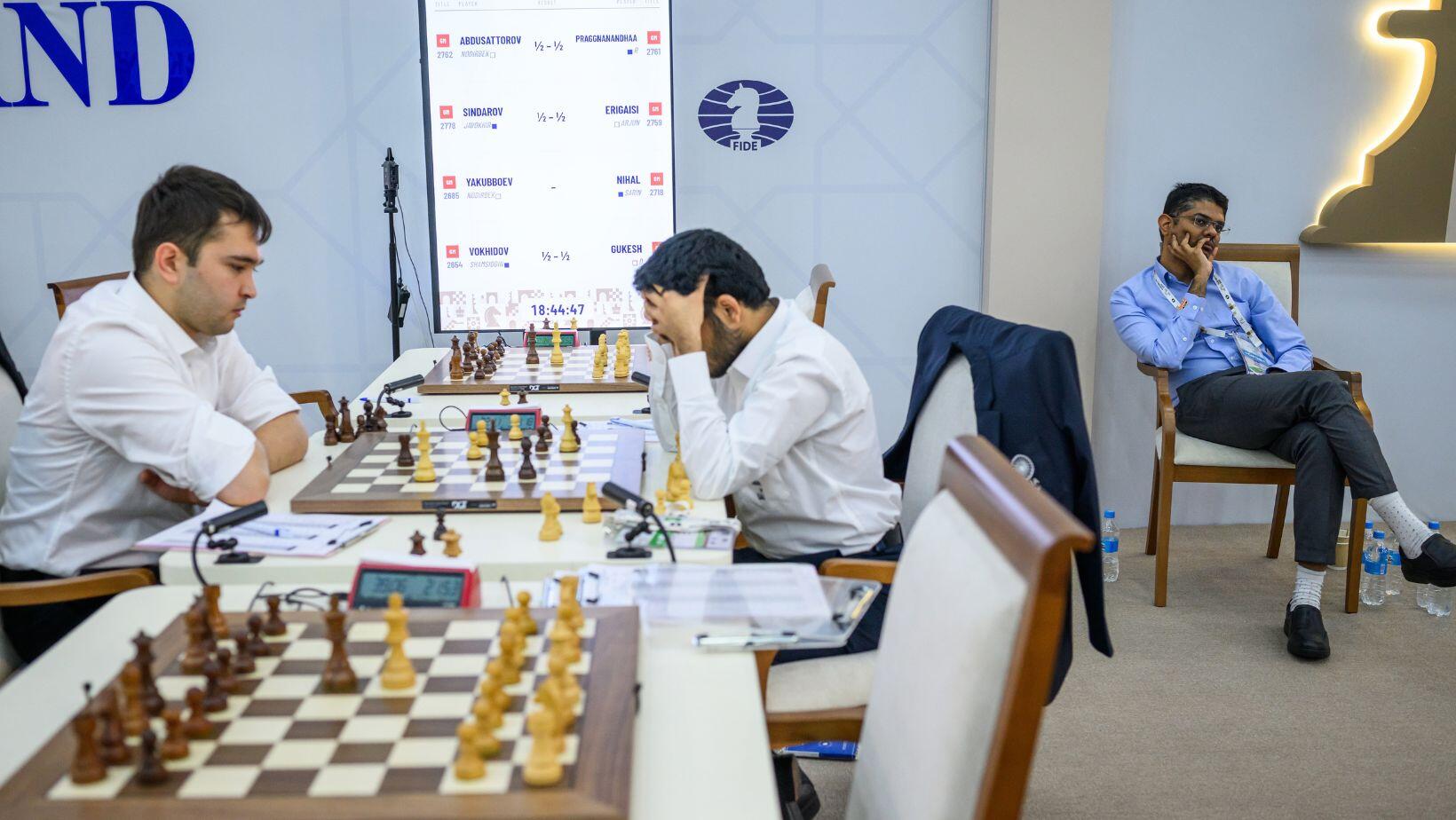
NEW DELHI: World champion Dommaraju Gukesh was patiently following the game between his compatriot Nihal Sarin and Uzbekistan’s Nodirbek Yakubboev in Round 6 of the 2026 Chess Olympiad in Samarkand.The other three boards had already ended in draws, Gukesh’s own game against Shamsiddin Vokhidov among them, which meant the entire match, and India’s chance to overtake the hosts at the top of the standings, rested on Nihal’s result.For a while, it looked like it would go India’s way. After 35 moves, Nihal had built a genuinely promising position.Then came the sequence that undid it, a blunder that handed away his queen. Gukesh, who had been a silent observer all this while, looked like he couldn’t believe what he’d just seen. As he turned to walk away, he buried his face in his palm in disbelief, before turning back to the board for one last look. He ran his hand over his face once again and walked away, visibly distraught.India lost the match to the team that would go on to win the tournament outright.More than a week on, the Indian chess circle is still replaying what might have happened had that one moment gone differently. Nihal, who is now back in India, took TimesofIndia.com through the entire experience of Samarkand.
The moment itself
Nihal made a strong start to the campaign with three consecutive wins and then two draws in the early rounds, before the Uzbekistan match changed the shape of things.“Against Uzbekistan, it was really unfortunate,” he, who was playing black that day, recalled. “Against Indonesia, I was actually completely losing at some point — there are a lot of what-ifs in these events, but it is what it is. Unfortunately, things didn’t go my way against Uzbekistan. I was playing a really good game, but I made a very unfortunate miss. It proved too costly.”Against Indonesia, Nihal was India’s sole winner, salvaging the match and ensuring the team did not drop points.Beyond the result itself against Uzbekistan, what has stayed with Nihal is the fact that he had no idea what he had missed at the time.“No, actually not at all,” he said, when asked if he’d spotted the mistake against Yakubboev immediately. “That was the weird thing. Generally, when you miss something like this, at least after making the move, you spot it. But I was completely oblivious to it until he made the move, which is quite uncharacteristic.”
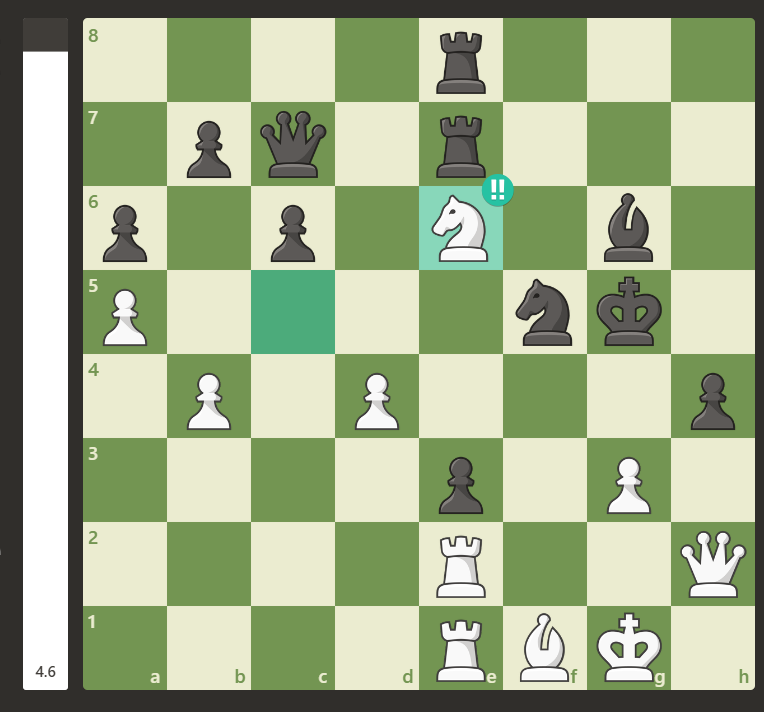
Realisation only arrived with Yakubboev’s reply.“When he played 38.Ne6, only then did I realise what I had done wrong. Funnily enough, it’s a fairly simple tactic; a bit unusual, maybe, but fairly simple regardless,” he added.
Gukesh and Srinath also missed it
And Nihal was not the only one from his team to miss the sequence, as the Kerala-born grandmaster revealed, “The funny thing was that Gukesh was watching the game. He was in the hall. Apparently, he had also missed it completely. Our captain, Srinath (Narayanan), had missed it as well.“It was a bit strange, because of course I should see it; we should all see it, in general. But sometimes there are just blind spots. It’s a bit weird. It’s a fairly simple tactic, but all three of us completely missed it. I don’t know. It was strange.”
Even the commentary booth, armed with engines, nearly let it slip by. Vidit Gujrathi, present on the ChessBase India commentary panel for a brief moment that day, hadn’t noticed the entire sequence either.“Vidit was telling me that he was in the commentary room and also saw it only when the engine pointed it out in one variation,” Nihal revealed. “Not many people saw it coming, which is a bit strange considering it’s not the hardest tactic. Sometimes in chess there are just these blind spots. It’s very hard to explain, but it happens.”It stayed a talking point inside the camp afterwards too.“It’s just a weird thing. Sometimes you miss things a bit inexplicably. We are all quite strong grandmasters, and almost all of us missed something. It’s very hard to explain,” the 22-year-old grandmaster added.
Picking himself back up
The team’s loss that day made the aftermath heavier than a single bad result might otherwise have been.“It was, of course, really tough, especially because the team also lost a very crucial match. But it was very important to have the support of the team and my coach,” Nihal continued. “The team was very nice. All of them were telling me to keep my head up. I had actually managed to play a very high-quality game until that point. It happens, and all of us have been in that situation.”The guilt, he said, is something he had to actively resist rather than something that simply faded.“It’s also very hard not to feel responsible, but you have to remember that we win and lose as a team. It’s not an individual thing. All of us have been in this situation, so we understand,” he added.
What-ifs, and refusing to entertain them
Asked whether he expects to look back someday and wonder if that one result cost India gold, Nihal’s answer was less about denial than about how he’s chosen to frame sport generally.“It’s possible, of course. But there are just no what-ifs in sport. Everything is very hard to judge. It is what it is. We just have to accept it,” he further noted.“Against Indonesia, we could have easily lost the match. And against Germany, we were honestly completely cooked. Against Azerbaijan, we had a chance, and then we drew. These what-ifs are very easy to fantasise about, and it’s logical to think that way, but ultimately I don’t think everything happens by accident — the pressure is what creates these moments.“Of course, winning gold would have been brilliant, but credit to Uzbekistan, they played amazing chess, all of them, at a very high level, and they completely deserved it.”
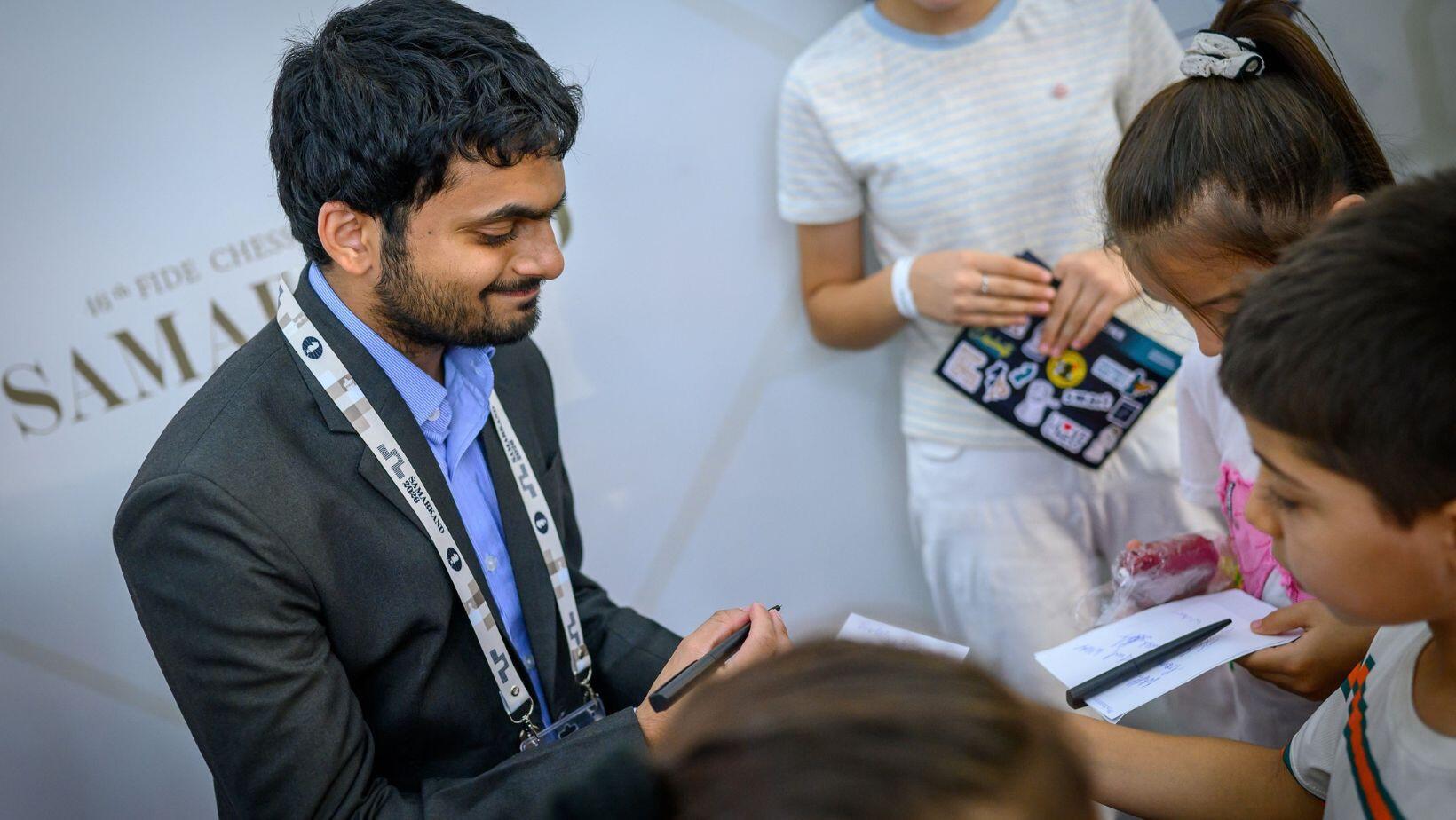
First Olympiad with the senior team
This was Nihal’s first Chess Olympiad with the main team. He now has a silver medal, and countless memories to go with it. “Of course, definitely, I would love to play it (Chess Olympiad) again. It was a lot of fun. I really enjoyed the atmosphere and everything,” he shared.“The general vibe was very, very nice. I personally enjoyed it a lot. It’s also very nice to see so many people from so many different parts of the world, which I don’t think you can see in any other tournament. You see so many players from so many places, some of which we may not even have heard of. It’s very interesting.”Summing up the overall experience, he added, “I think the team performance was very good. We all played pretty good chess. I don’t think any of us were at our best, for sure. But we still managed to play some really good games, and everyone stepped up when it mattered most.”
What comes next for Nihal Sarin
There’s little time for Nihal to dwell on the ifs and buts of the Chess Olympiad. “I’m planning to play the European Club Cup in Montenegro, which starts on October 17. After that, I don’t know. But yes, there will definitely be some break, and I’m very much looking forward to it.”ALSO READ: ‘If India won a medal, we owe it to her’: Captain Swayams Mishra on Savitha Shri’s Chess Olympiad heroics | ExclusiveNot much of a globetrotter, Nihal reveals what relaxation means to him, adding, “There’s a tennis club near my home, and I go pretty much every day. It really helps. It’s very good exercise, and I think it also helps you feel good mentally.”