
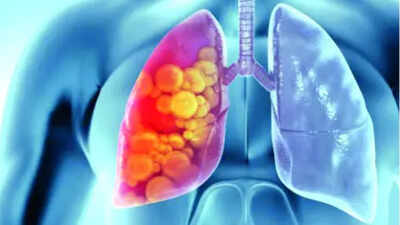
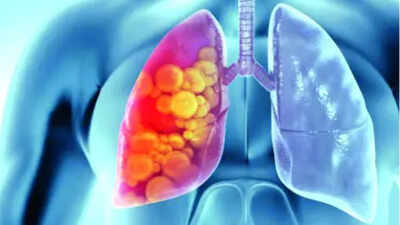
NEW DELHI: Low-dose computed tomography (CT) screening can cut the risk of dying from lung cancer by 16% in high-risk people, while also reducing the incidence of advanced stage III or IV disease, an International Agency for Research on Cancer (IARC) working group has found.Published in The New England Journal of Medicine, the assessment found established evidence that low-dose CT reduces lung cancer mortality when used in people at high risk based mainly on age and smoking history.IARC convened a working group of 23 clinicians and scientists from 17 countries, including Dr Abhishek Shankar of All India Institute of Medical Sciences, New Delhi, to assess the benefits and harms of lung cancer screening.The evidence mainly applies to people aged 50 to 80 with a substantial smoking history, typically at least 20 to 30 pack-years. Studies involving former smokers generally included those who had quit within the previous 10 to 15 years, with screening usually performed annually.In India, people aged 50 to 80 with at least 20 pack-years of smoking who are current smokers or quit within the past 15 years can contact the Indian Lung Screening Trial, led by Dr Abhishek Shankar at AIIMS, New Delhi, about screening. Dr Shankar has invited eligible people to contact him for screening under the trial.The evidence behind the finding came mainly from randomised trials. In the US National Lung Screening Trial, people screened with low-dose CT had a 16% lower relative risk of dying from lung cancer than those screened with chest X-rays at seven years. The European NELSON trial also found lower lung cancer mortality among men screened with low-dose CT at 10 years.Based on this evidence, the IARC group classified low-dose CT as Group A, indicating established evidence that it reduces lung cancer mortality and the incidence of stage III or IV disease. Chest X-rays, with or without sputum examination, were classified as Group C, as their ability to reduce lung cancer mortality could not be established.However, the review cautioned that low-dose CT screening is not meant for everyone. False-positive results ranged from 1% to 42% across studies, depending on the screening protocol. Among those with false-positive results, 5% to 32% underwent at least one invasive procedure, with complications occurring in 10% to 22% of such procedures.
Share your thoughts in the comments
Be respectful · TOI community guidelines
The review also estimated that 3% to 26% of lung cancers detected in randomised trials involving high-risk people could represent overdiagnosis, meaning cancers that might not have caused harm during the person’s lifetime.The working group said effective lung cancer screening needs more than CT scanners, including systems for identifying eligible people, assessing risk, monitoring nodules, providing treatment and follow-up, along with smoking-cessation support. Organised programmes also require trained staff, quality assurance, adequate healthcare capacity and equitable access.