
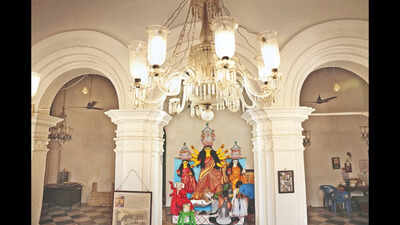
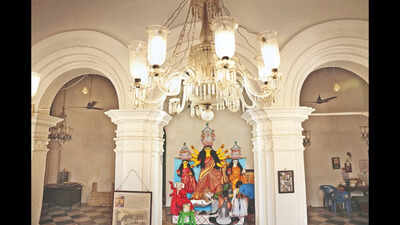
Kolkata’s bonedi baris are entering a new chapter, as smaller families, migration, rising upkeep costs and changing ideas of heritage make the old model of collective, generational upkeep harder to sustain. Yet younger generations are showing renewed interest in these traditions’ stories, and families are turning to adaptive reuse, cultural events and pop-ups to keep homes active, relevant and financially viable. The question now isn’t just how to preserve the past, but how to give it a future.Kolkata’s bonedi baris are entering a new chapter, as smaller families, migration, rising upkeep costs and changing ideas of heritage make the old model of collective, generational upkeep harder to sustain. Yet younger generations are showing renewed interest in these traditions’ stories, and families are turning to adaptive reuse, cultural events and pop-ups to keep homes active, relevant and financially viable. The question now isn’t just how to preserve the past, but how to give it a future.A 126-year-old house needs constant care; Puja needs manpower. We consciously preserve the house, people, memories, and feeling of homecoming– Devipriya Guha, 4th generation member of Guha Residence‘For the next generation, heritage needs a reason’Youngsters may not follow traditions the same way as before, but their interest in heritageremains strong. “They are very interested in heritage – they just engage with it differently. They want tounderstand why something matters,” says Devipriya Guha of Guha Residence, whose nieces, 19-year-old Swaha and nine-year-old Swara, are already involved in Pujo prep. This growing involvement offers a new way of keeping old traditions alive. “They don’t want to follow blindly, but want to understand stories, meanings and reasons behind them. Curiosity matters, because when you understand why something matters, you’re more likely to value it and carry the legacy forward,” said Debashree Mallick of Bhawanipur Mallick Bari.Old homes, new possibilitiesAdaptive reuse could offer Kolkata’s heritage homes a practical way to survive. “Giving these spaces a new purpose while retaining their architectural character makes conservation more sustainable — it keeps buildings active while preserving the memories embedded in them,” said Riona Mitter of Mitra Bari-Bishnupur. Adaptive reuse is something Devipriya and her sister Devaleena are already doing. They run a café in one section of their 126-year-old home, which remains their Durga Pujo venue. Devipriya added, “We wanted the house to stay occupied, and economically relevant without losing its identity.”From Bonedi Bari to the Bengali dining table: At a Tuesday event, heirloom recipes from bonedi baris across the state were showcased – Bishnupur’s chingrir binuni kochuri and cholar dal’er barfi, and Thanthania Chandra Bari’s suji naru to name a fewKeeping legacy aliveKolkata’s bonedi baris are navigating a change in family structure. Migration for education and work has taken younger members to other cities and countries, while the rise of nuclear families means fewer people live under one roof. “Earlier, more people lived under one roof and responsibilities were divided organically. Today, everyone has careers and lives in different places, so keeping a barir Pujo going requires far more planning and conscious participation,” said a member of the Chunder Bari, Manicktala. The change is felt year-round, as ageing homes need regular repairs and supervision.It’s a logistical and financial challenge. We’re exploring festivals and pop-ups for revenue and awareness – Supratim Roy, 7th generation member of Badan Chand Roy BariA bonedi bari’s legacy can’t survive on sentiment alone — it needs financial viability, with revenue from cultural events, festivals, exhibitions and collabs, says Devarshi Roy Choudhury, Sabarna Roy Choudhury BariPre-Pujo events build awareness and anticipation – these stories are worth passing on, said Dr Archisman Ray Banerjee of Harakutir Ray-Banerjee, who hosted this dhunuchi event