
There are roads that take you from one part of a city to another. And then there is Park Street, which can take you through nearly three centuries of Kolkata.At the Chowringhee end, the Asiatic Society sets the tone. Walk east and the road changes character every few hundred metres — old mansions and clubs, a college built on the site of a celebrated theatre, restaurants where generations learnt to dine out, and finally the cemetery that gave the road one of its earliest names.Officially renamed Mother Teresa Sarani in Dec 2004, it nevertheless remains Park Street to generations of Kolkatans.Before the park, there were the dead
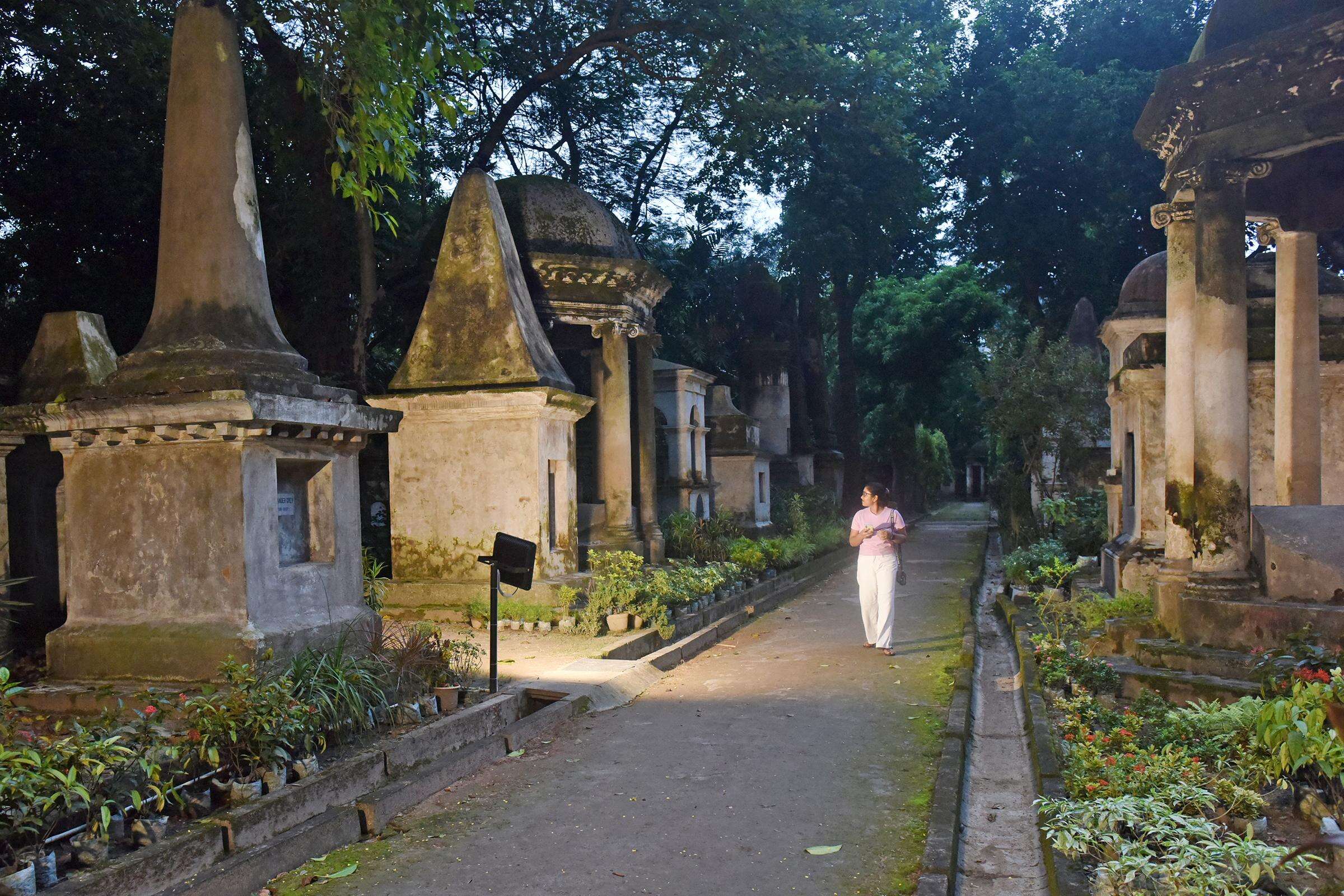
Its beginnings were far removed from the Christmas lights, packed restaurants and queues outside Peter Cat that define the street today.“The road appears through history under names including Ghorustan ka Rasta, Badamtalla or Almond Street, Vansittart Avenue and Burial Ground Road. A Upjohn’s map of Calcutta, based on surveys of 1792-93, marks it as Burial Ground Road,” said city historian Sankar Nath.The name was entirely functional. The road led to the large European burial ground opened in 1767 beyond what was then Calcutta’s inhabited core.South Park Street Cemetery, opened on Aug 25, 1767, survives behind high walls and a dense canopy of trees. It contains around 1,600 tombs, including those of Sir William Jones, founder of the Asiatic Society; poet Henry Louis Vivian Derozio; and Robert Kyd, founder of Calcutta’s botanical garden.How the ‘park’ entered Park StreetThe transition from Burial Ground Road to Park Street is linked to Sir Elijah Impey, the first Chief Justice of the Supreme Court at Fort William.His residence stood around present-day Middleton Row. City’s barefoot historian P T Nair traced the Park Street name to the extensive grounds surrounding Impey’s garden house. The estate included land on which the Loreto institutions later came up.Kolkata lore holds that deer once roamed the grounds, giving it the character of a “deer park”. What is much firmer is that Impey’s sprawling park supplied the road with the name that endured, said Nath.The irony would become striking: the road associated first with cemeteries would eventually become synonymous with eating, drinking, music and celebration.Scholarship, schools and institutions
Park Street
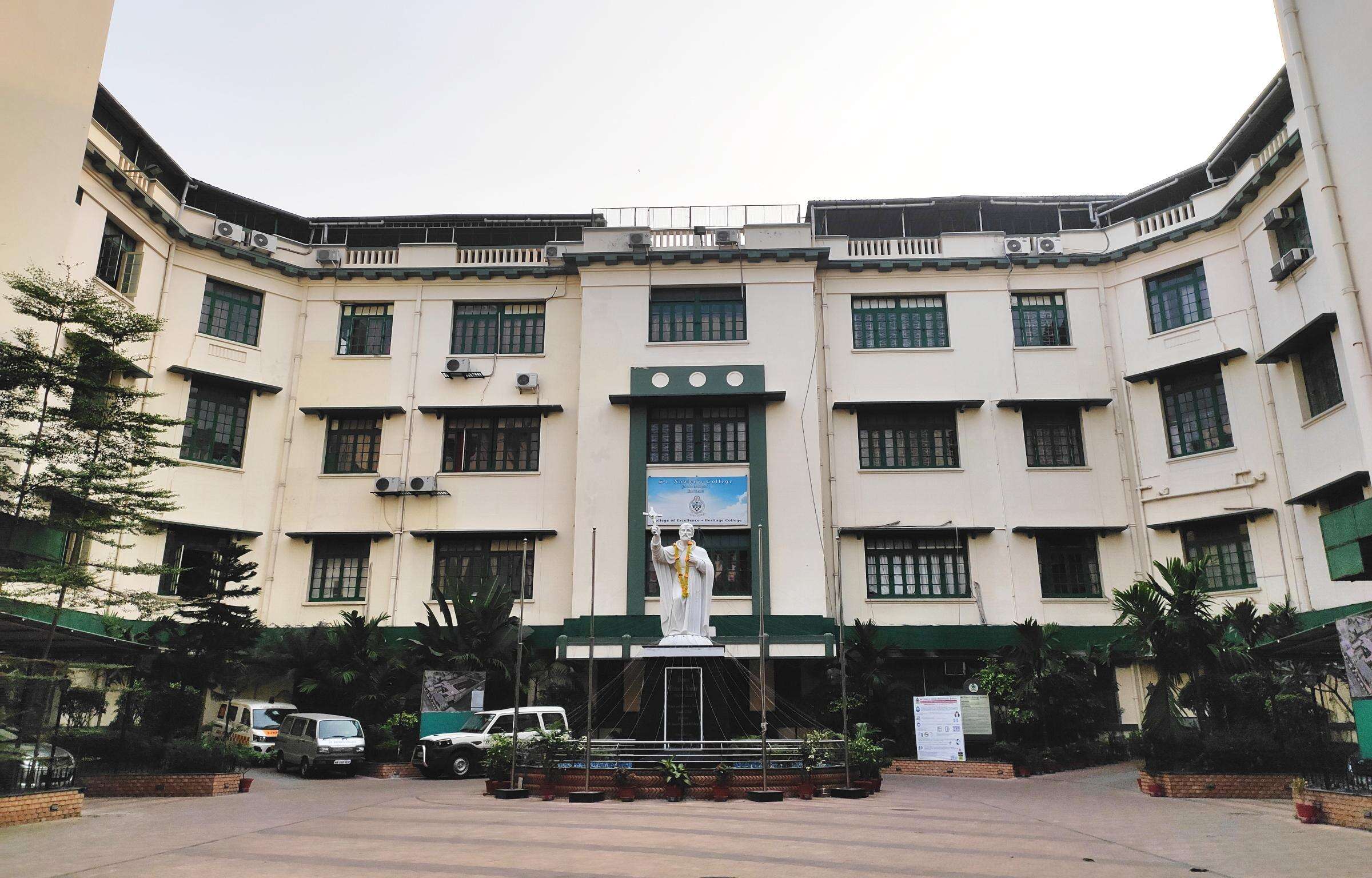
At its western gateway stands the Asiatic Society, founded by Sir William Jones in 1784. Its first permanent building was completed on Park Street in 1808 and survives beside its newer structure.“The Society became one of the foundational centres of Oriental studies, and institutions such as the Indian Museum and India’s geological, botanical and zoological surveys grew out of the intellectual ecosystem it helped create,” said Anant Sinha, director of the Asiatic Society.Farther down, St Xavier’s College and St Xavier’s Collegiate School occupy 30 Park Street. Belgian Jesuits moved to the site of the former Sans Souci Theatre in 1860. St Xavier’s College, founded that year and affiliated to Calcutta University in 1862, helped transform the street into a major educational address.The larger neighbourhood also includes Loreto College and Loreto House around Middleton Row, almost returning education to the land once occupied by Impey’s estate.Mansions, clubs and old CalcuttaPark Street was never only about restaurants.At the Russell Street corner survives the legacy of the Bengal Club, which moved in 1845 to premises encompassing Park Street and adjoining Russel Street, a site associated with Thomas Babington Macaulay. Nearby, the Saturday Club, founded in 1875, has occupied 7 Wood Street since 1900.Architecture records another transformation
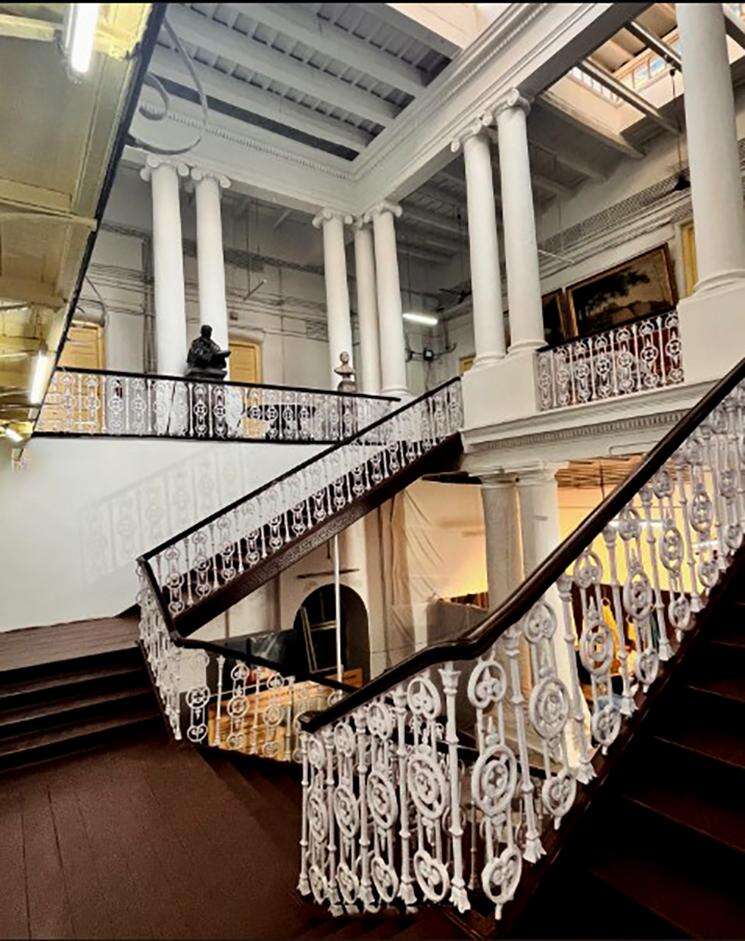
Asiatic Society
“Park Mansions, Queen’s Mansion, Stephen Court and Karnani Mansion turned the earlier garden-house belt into a dense cosmopolitan boulevard of apartments, offices and shops,” said conservation architect Manish Chakraborti.Just off the main road at 12C Russel Street is The Russell Exchange, established in 1940. Furniture, paintings, chandeliers, typewriters, records and other objects from old city homes have passed through its auction rooms, making it an informal archive of disappearing domestic Calcutta.Then Park Street learnt to swingFrom the 1950s through the 1970s, the street became one of India’s great entertainment districts. Mocambo, Trincas, Blue Fox, Moulin Rouge, Peter Cat and Oly Pub made “going to Park Street” an occasion rather than merely a journey.Flurys opened in 1927, founded by Swiss couple Joseph and Frieda Flury. Its history was linked with Swiss expatriate Cinzio Trinca. After their partnership ended, Trincas evolved across the street and, under new ownership from 1959, became one of Kolkata’s best-known live-music venues.By the 1960s, Park Street meant floor shows, jazz, dance bands and dinner jackets. “Trincas became a launching pad for musicians, and Usha Uthup made her debut there in 1969,” said food and music blogger Adhir Basu Roy.Hotels, books and a new chapterThe Park opened at 17 Park Street in 1967, adding a modern luxury hotel to the entertainment district and beginning the story of The Park Hotels.The same address cluster is also home to Oxford Bookstore, whose Kolkata history dates to 1919. Its continued presence gives a street famous for food and music a durable literary identity.From Flurys to StarbucksPark Street’s latest chapter is unmistakably global. Starbucks and Hard Rock Cafe now operate from Park Mansions, bringing brands familiar on high streets around the world.Yet the newcomers have not erased the street’s older grammar. Customers still queue for pastries at Flurys, chelo kebab at Peter Cat and Continental classics at Mocambo. Trincas still hosts music.That may explain Park Street’s durability. It has survived not by remaining frozen in one period, but by repeatedly absorbing the new without entirely surrendering the old. The road to the burial ground became the road beside a park. The park road became a prestigious address. The prestigious address became swinging dining-and-music boulevard. And that boulevard evolved into a modern food and lifestyle street.