


There was nothing particularly unusual about Kelsey Plum agreeing to stay in Los Angeles for another season. The strange part was the number attached to the deal. When the details emerged, the Sparks guard had agreed to a salary of exactly $999,999, leaving one very conspicuous dollar missing from what could have been a much cleaner $1 million.
Kelsey Plum deliberately stopped at $999,999
Plum agreed to a one-year contract with the Los Angeles Sparks on April 12, 2026, shortly after a strong first season in Los Angeles had put her in position for a substantial new deal.The 31-year-old had arrived with the Sparks after the major three-team trade involving the Las Vegas Aces, Seattle Storm and Los Angeles, in which Plum went to Los Angeles, Jewell Loyd moved to Las Vegas and Seattle acquired the rights to the No. 2 pick in the 2025 WNBA Draft, which became Dominique Malonga, along with additional draft picks changing hands.Plum settled in quickly, she averaged 19.5 points per game during her first season with the Sparks and helped the team enjoy its best campaign since 2020. With the new WNBA Collective Bargaining Agreement subsequently raising salaries across the league, Plum had been eligible for a veteran supermax worth as much as $1.4 million.Instead, she signed for exactly $999,999.The difference between the figure on the contract and the round number was only $1, but Plum had actually agreed to leave roughly $400,000 of potential salary on the table.Plum wanted to give Los Angeles additional room under the salary cap to build a stronger team around her, with the aim of turning the Sparks into a genuine championship contender.At the time, however, the missing dollar was what caught everybody’s attention.
Plum eventually explained the missing dollar
The mystery lasted only a few weeks before Plum was asked about it directly.In an interview with YouTuber Austin Franklin, Plum explained why she had stopped at $999,999 rather than accepting an even $1 million.Her first answer was straightforward.“I mean, first of all, taxes,” Plum said.“If you claim a million dollars, I saved $13,000 [in taxes] in not claiming a dollar.”Plum then explained that the decision had taken on a life of its own after the contract became public.“It’s funny, everywhere I go now, people are like, ‘Hey, can I give you a dollar?’” Plum said. “I think it’s great. They’re tuned in, you know?”She then offered another reason for deliberately staying below the seven-figure mark.“And the other thing was just like, I didn’t want validation for signing for a million. It was like, I don’t need to sign for a million to know my value as a player. It was a combination of that, but really more the taxes.”That explanation made the $999,999 figure considerably more interesting, because Plum was not simply trying to create a funny contract number. She said she had made a conscious decision to avoid crossing the $1 million threshold.There was just one problem with the way she described the tax saving.
The $13,000 tax saving did not work quite like that
The tax explanation quickly attracted attention from people who pointed out that California’s so-called “millionaire’s tax” does not work by suddenly taxing an entire salary at 13 per cent once a player reaches $1 million.California currently has the highest top marginal income tax rate in the United States, reaching 13.3 per cent on income above $1 million. The important word is marginal: the higher rate applies to the income above the relevant threshold rather than retroactively applying to every dollar earned.Entrepreneur and sports-business content creator Joe Pompliano was among those to challenge Plum’s calculation.“Someone please explain marginal tax rates to Kelsey Plum. If she earned one more dollar, she would be taxed 13 cents…not $13,000. And even if that were true, she is ignoring jock taxes, endorsement income, etc,” Pompliano wrote.In other words, moving from $999,999 to $1 million would not, by itself, create a $13,000 California tax bill. On the simplified example, the additional dollar reaching the threshold would generate roughly 13 cents of tax at a 13 per cent marginal rate, rather than suddenly exposing the entire $1 million to that rate.The situation can become more complicated for professional athletes because their overall taxable income can include money from endorsements and income earned in different jurisdictions, but the basic marginal-tax principle remains the same.So while Plum’s decision to stay one dollar below $1 million was real, the specific $13,000 saving she cited was not supported by the marginal-rate calculation described by tax commentators.
Plum gave up much more than one dollar
The tax debate made the $999,999 figure even more memorable, but the bigger financial decision was hiding in plain sight.Plum was eligible for a $1.4 million veteran supermax, meaning she could have earned substantially more than the amount written into her contract.Instead, she accepted $999,999 and gave the Sparks more flexibility to improve the roster.That sacrifice fitted with what Plum said about not needing a seven-figure salary to validate her worth as a player. The decision was also tied to the larger ambition she had for Los Angeles after helping the Sparks produce their best season in several years.
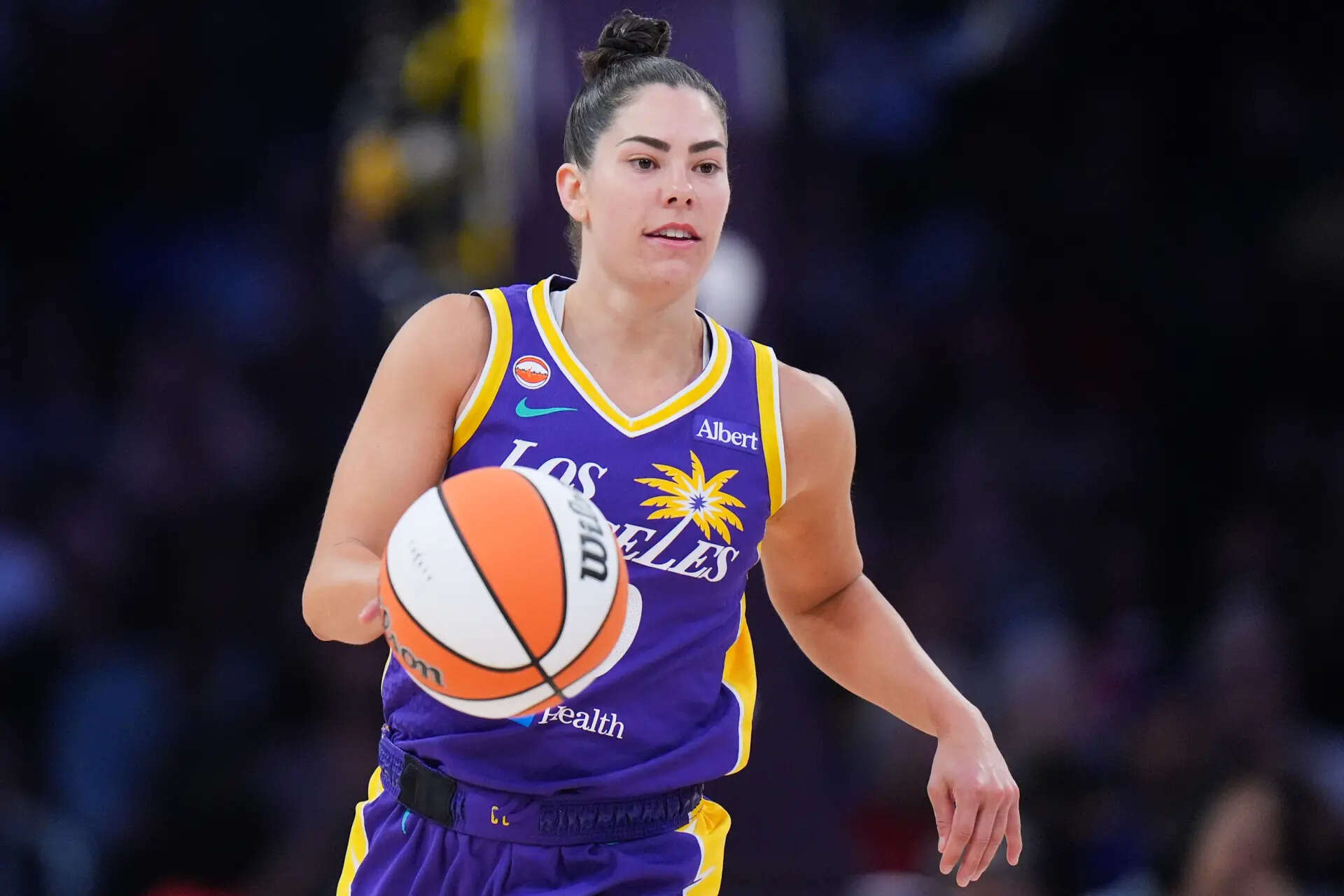
FILE – Los Angeles Sparks guard Kelsey Plum dribbles during the second half of a WNBA basketball game against the Indiana Fever, May 13, 2026, in Los Angeles. (AP Photo/Jae C. Hong, File)
Whether the Sparks ultimately built the championship-level roster Plum had hoped for became a separate question during the 2026 season.The curious contract, meanwhile, did not last quite as long as Plum might have expected.In August 2026, just months after signing the deal, Plum was traded to the Phoenix Mercury.The $999,999 contract had therefore already become more than a quirky number. It was a snapshot of a moment when Plum wanted to stay in Los Angeles, believed in what the Sparks could build and was willing to take less money to help make it happen.And, for reasons that will probably keep the dollar joke alive for a while, she made sure the number stopped at $999,999 rather than $1 million.