
A fish tank can quickly go from looking like a peaceful little underwater world to a cloudy, green and messy corner of the house. Algae on the glass, debris at the bottom and cloudy water are not just unpleasant to look at, they can also make the tank less healthy for your fish. A simple cleaning routine, done regularly, can make a big difference in keeping the water clear and your fish comfortable. The good news? Cleaning an aquarium does not have to mean emptying the entire tank or spending hours scrubbing every surface. A few simple habits can keep it clean with surprisingly little effort. Scroll down to read more….
Clean the glass before it gets covered in algae
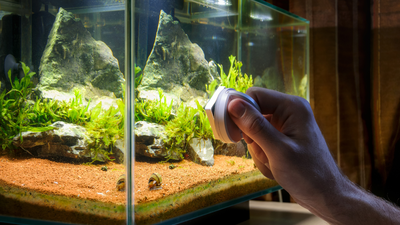
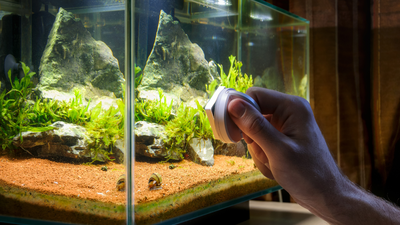
That green or brown film on the aquarium glass is usually algae, and the longer you leave it, the harder it becomes to remove. Use an aquarium-safe algae scraper or magnetic glass cleaner to gently remove the buildup from the inside of the glass. For stubborn patches, make a few slow passes rather than trying to scrub everything off at once. Avoid using household glass cleaners or soaps near the tank. Even tiny amounts of chemical residue can be harmful to fish.
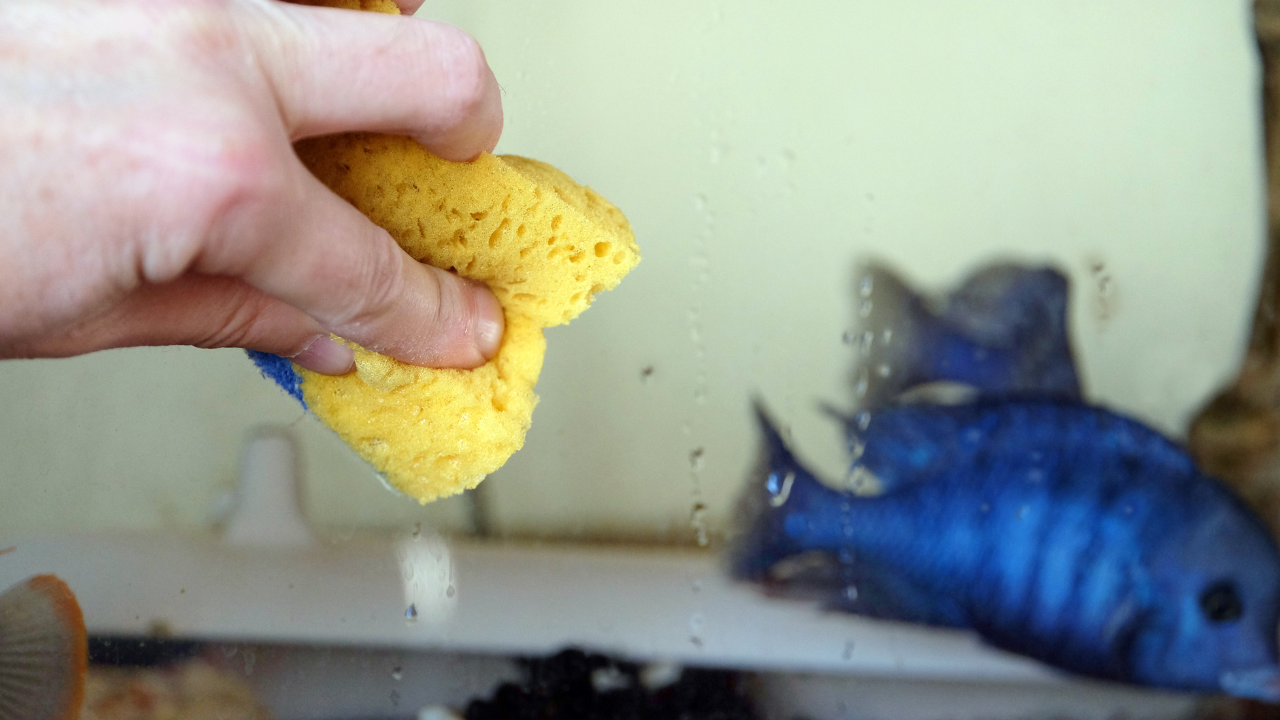
Easy habit: Spend just a couple of minutes cleaning the glass whenever you notice algae starting to appear instead of waiting for a thick layer to build up.
Let a gravel vacuum do the dirty work
A surprising amount of waste settles between the gravel, leftover food, fish waste and bits of plants can all collect at the bottom. You do not need to remove all the gravel to clean it. An aquarium gravel vacuum, also called a siphon, can pull out dirty water and debris while leaving the gravel in place. During a routine water change, simply move the vacuum gently through different sections of the substrate. You don’t have to make every grain spotless.The trick: Clean a section at a time. Regular small clean-ups are much easier than dealing with months of accumulated debris.
Change some water, not all of it
One of the easiest ways to freshen up an aquarium is through partial water changes. Instead of emptying the entire tank, remove a portion of the old water and replace it with appropriately treated, temperature-matched water. This removes some of the accumulated waste while preserving much of the tank’s established environment. How often you need to do this depends on factors such as the size of your aquarium, number of fish, filtration and feeding routine. Many home aquariums benefit from regular partial water changes rather than occasional complete clean-outs.
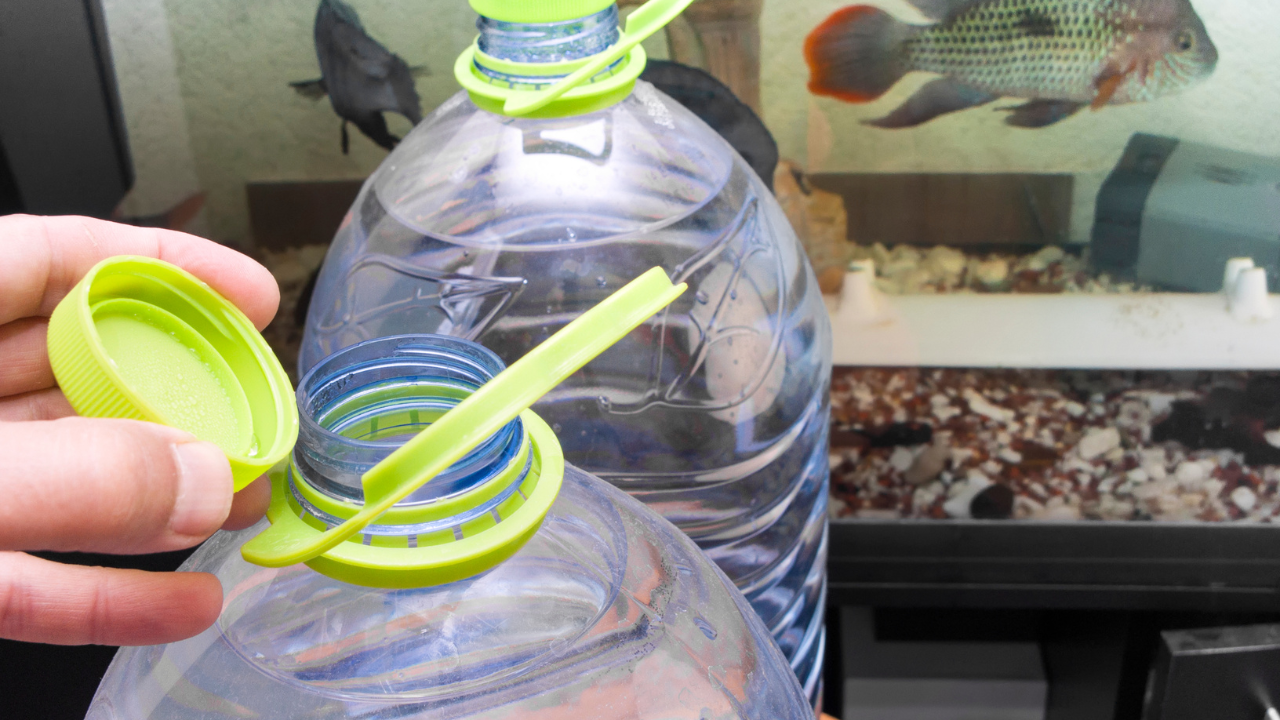
Important: Never add untreated tap water directly to a fish tank. Use a suitable water conditioner and make sure the replacement water is at a safe temperature for your fish.
Give the filter a quick clean but don’t overdo it
Your aquarium filter is doing a lot of the cleaning for you, trapping debris and supporting beneficial bacteria that help maintain water quality. When the filter becomes clogged, its flow can slow down. But there’s an important catch: aggressively washing filter media under tap water can destroy beneficial bacteria. When cleaning the filter, gently rinse reusable filter media in some of the aquarium water you have removed during a water change. Follow the manufacturer’s instructions for replacing disposable cartridges or other filter components.Easy rule: Clean the filter when it needs it, rather than constantly replacing or scrubbing everything.
A clean tank doesn’t need to be a spotless tank
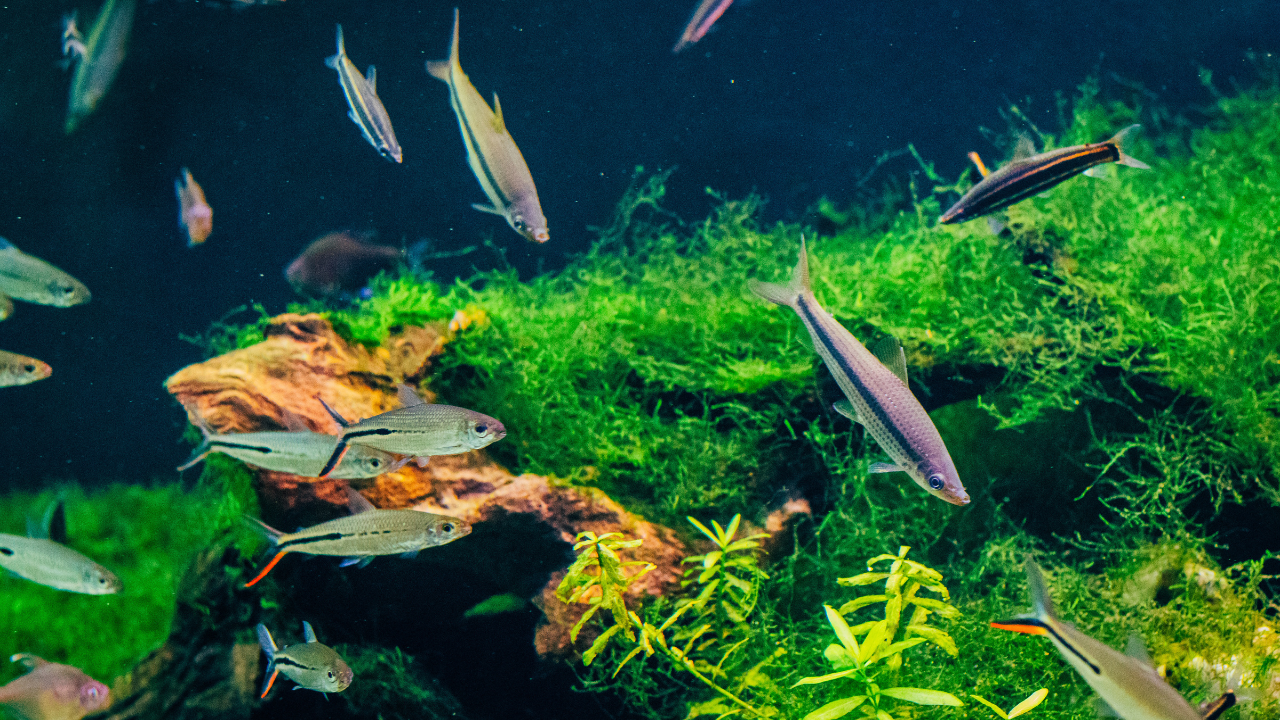
It can be tempting to make an aquarium look completely pristine, but fish tanks are living ecosystems. A little algae or natural buildup is not automatically a problem. The easiest approach is small, regular maintenance: wipe the glass, vacuum some debris, check the filter and perform partial water changes as needed. Do that consistently, and your aquarium is far less likely to turn into a major cleaning project, meaning less work for you and a healthier environment for your fish.